
Short Answer
Overview
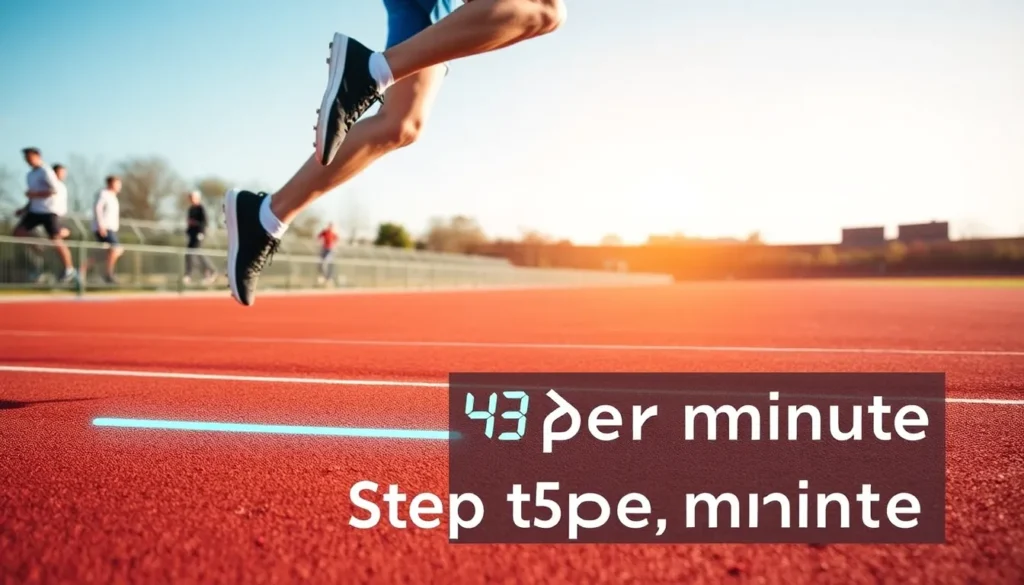
Running cadence, also known as step rate, is the number of steps a runner takes per minute (SPM). It is a key metric in running biomechanics that influences performance, efficiency, and injury risk. While there is no universally optimal cadence for every runner, a range of approximately 170 to 180 steps per minute is often cited as a beneficial target for many runners, particularly those running at moderate to fast paces. However, individual factors such as height, leg length, running speed, and personal comfort significantly affect what constitutes a good cadence.
Detailed Explanation
Cadence is determined by how quickly a runner moves their feet and can be influenced by stride length and overall running mechanics. A higher cadence typically means shorter, quicker steps, whereas a lower cadence is associated with longer, slower steps. Research and coaching generally suggest that increasing cadence can reduce the impact forces on joints by promoting a more efficient foot strike pattern, often closer to beneath the body’s center of mass.
While 170 to 180 SPM is often recommended, some elite distance runners have cadences slightly above or below this range, adjusted to their body mechanics and running style. Slower runners may naturally have a cadence lower than this benchmark, which can still be effective if it suits their physiology and goals.

How It Works
Cadence affects running form by altering how the foot contacts the ground and how the body absorbs impact. A cadence that is too low may lead to overstriding, causing the foot to land too far ahead of the runner’s center of gravity. This can increase braking forces, reduce running economy, and elevate injury risk. Conversely, a cadence that is too high can cause excessive fatigue and may not allow for sufficient power generation.
Adjusting cadence typically involves small incremental changes, such as increasing step rate by 5-10%, to allow the runner’s body to adapt without injury. Tools such as metronomes, running watches, and smartphone apps can assist runners in monitoring and adjusting their cadence.
Examples
- Elite marathon runners often run with a cadence between 180 and 190 SPM, which helps maintain a quick turnover and efficient stride during long-distance races.
- Recreational runners may have a cadence ranging from 150 to 170 SPM, which might be adequate for their pace but could be improved for efficiency and injury prevention.
- A sprinter’s cadence can exceed 200 SPM during short bursts of maximum speed, where rapid leg turnover is essential.
Pros and Cons
- Pros: A higher cadence can reduce overstriding and impact forces, improve running economy, and lower the risk of injuries such as shin splints and stress fractures.
- Cons: Increasing cadence too much or too quickly can lead to fatigue, muscle soreness, and may feel unnatural. It may also reduce stride length excessively, impacting speed.
Comparison Table
| Aspect | Good Running Cadence | Alternative/Related Topic (Stride Length) |
|---|---|---|
| Meaning | Number of steps taken per minute during running, typically 170-180 SPM | Distance covered per step, influenced by leg length and running mechanics |
| Impact on Performance | Enhances efficiency by promoting quicker turnover and reducing braking forces | Affects speed and power generation but can increase injury risk if overextended |
| Injury Risk | Proper cadence reduces impact stress and overstriding injuries | Excessive stride length can cause overstriding and increased joint stress |
| Typical Range | 150-190 SPM depending on experience and speed | Varies widely; optimized individually for best performance |
Decision Checklist
- Use this if you experience frequent impact injuries or want to improve running efficiency.
- Avoid this if you feel pain or discomfort when trying to increase cadence rapidly; gradual changes are recommended.
- Check this first by measuring your current cadence during a run and consult with a running coach or physical therapist if unsure.
What is the easiest way to understand running cadence?
The easiest way to understand running cadence is to count how many steps your feet take in one minute while running at your usual pace. This simple measurement reflects how quickly your legs turnover and can help you gauge whether adjustments might improve your running form or reduce injury risk.
FAQ
What is running cadence?
Running cadence is the number of steps a runner takes per minute, typically measured to assess running efficiency and form.
Why is a cadence of 180 steps per minute often recommended?
A cadence of around 180 steps per minute is suggested because it tends to reduce overstriding and impact forces, potentially minimizing injury risk and improving efficiency.
Can I change my running cadence easily?
Changing cadence should be done gradually to allow your body to adapt and avoid injury. Small increments of 5-10% increases are generally recommended.





Leave a Reply