
Short Answer
Overview
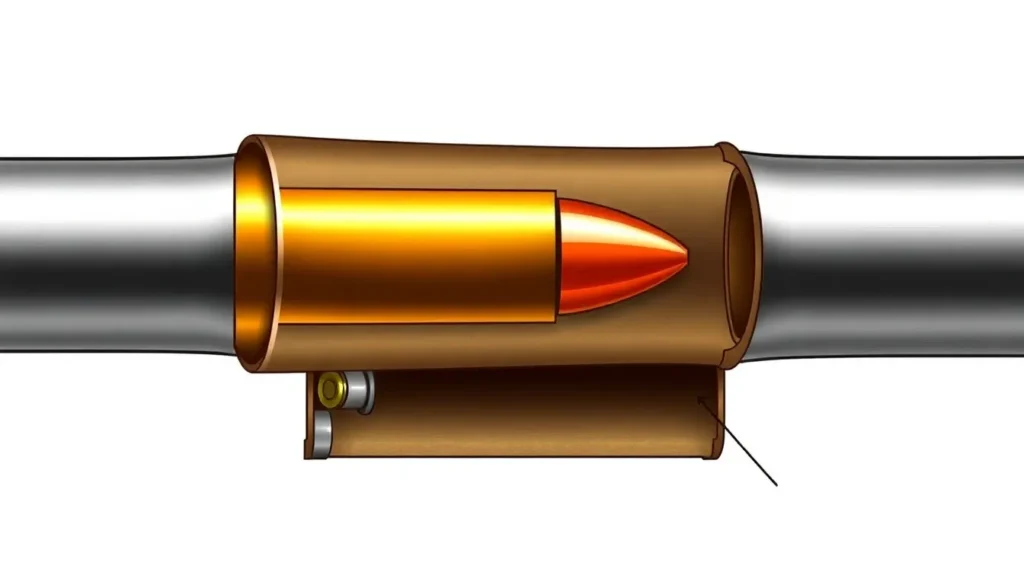
A squib load is a type of firearm malfunction characterized by the failure of a fired bullet to exit the barrel of a gun. This occurs when the cartridge’s powder charge is insufficient or does not ignite properly, resulting in a bullet becoming lodged in the barrel. Squib loads present a significant safety hazard because firing another round into an obstructed barrel can cause catastrophic firearm damage and serious injury to the shooter.
Detailed Explanation
Typically, when a firearm is discharged, the primer ignites the powder inside the cartridge, producing gas that propels the bullet through the barrel and out of the muzzle. In a squib load, the powder either fails to ignite or burns partially, generating inadequate pressure to force the bullet through the barrel. This leaves the bullet trapped, often near the chamber or somewhere along the bore.
Squib loads can result from several factors, including defective or insufficient powder in the cartridge, improper reloading techniques, degraded ammunition, or malfunctioning primers. The phenomenon is more common in handloaded ammunition but can occur with factory rounds as well.
How It Works
When the trigger is pulled, the firing pin strikes the primer, which should ignite the powder charge. If the powder is missing, insufficient, or contaminated, the primer may ignite but produce little to no gas pressure. Consequently, the bullet is pushed only a short distance into the barrel rather than being expelled. The shooter may notice an unusual sound, a lack of recoil, or a different sensation upon firing. If unnoticed, subsequent shots can cause the next bullet to collide with the lodged projectile, potentially leading to barrel rupture or firearm failure.
Examples
- Handloaded Ammunition: An amateur reloader fails to include powder in a cartridge, resulting in a squib load when fired.
- Factory Ammunition Defect: Occasionally, a manufacturing defect leads to a cartridge with insufficient powder, causing a squib load during use.
- Contaminated Powder: Powder exposed to moisture may not ignite properly, resulting in a partial or complete failure to propel the bullet.
Why It Matters
Understanding squib loads is critical for firearm safety. Recognizing the signs of a squib load and responding appropriately can prevent damage to the firearm and serious injury to the user. It highlights the importance of proper ammunition handling, regular firearm maintenance, and cautious shooting practices.
Common Misconceptions
Misconception: A squib load is just a misfire and is harmless.
Correction: Unlike a simple misfire where the cartridge does not ignite at all, a squib load partially ignites but fails to expel the bullet, creating a dangerous obstruction.
Misconception: Hearing a quiet shot always means the firearm is jammed.
Correction: While a quiet or unusual sound can indicate a squib load, it is essential to inspect the barrel before continuing to shoot, as other issues may cause similar symptoms.
Pros and Cons
Comparison Table
| Aspect | Squib Load | Misfire |
|---|---|---|
| Meaning | Bullet lodged in barrel due to insufficient powder ignition | Cartridge fails to ignite at all |
| Sound | Unusually quiet or different from normal shot | No sound or click only |
| Risk | High risk of barrel obstruction and damage | Lower risk, but firearm remains unfired |
Decision Checklist
- Use this if … You suspect incomplete cartridge ignition and notice abnormal firearm behavior.
- Avoid this if … You are unsure about the firearm’s condition—stop shooting immediately.
- Check this first … Always inspect the barrel for obstructions before continuing to fire.
What is the easiest way to understand a Squib Load?
The simplest way to understand a squib load is to think of it as a bullet that gets stuck inside the gun barrel because the explosion meant to push it out was too weak or absent. Just like a car getting stuck in a narrow tunnel, the bullet blocks the path, making it unsafe to continue driving—or in this case, shooting—until the blockage is cleared.
FAQ
How can I recognize a squib load?
A squib load is often recognized by an unusual, quieter sound when firing, reduced recoil, and a different feel when the gun is discharged. If these signs occur, stop shooting immediately and inspect the barrel.
What should I do if I suspect a squib load?
Immediately cease firing, unload the firearm, and visually inspect the barrel for obstructions. If uncertain, consult a qualified gunsmith before using the firearm again.
Can squib loads occur with factory ammunition?
Yes, although less common than in handloaded ammunition, factory cartridges can occasionally have defects resulting in squib loads.



Leave a Reply