
Short Answer
Overview
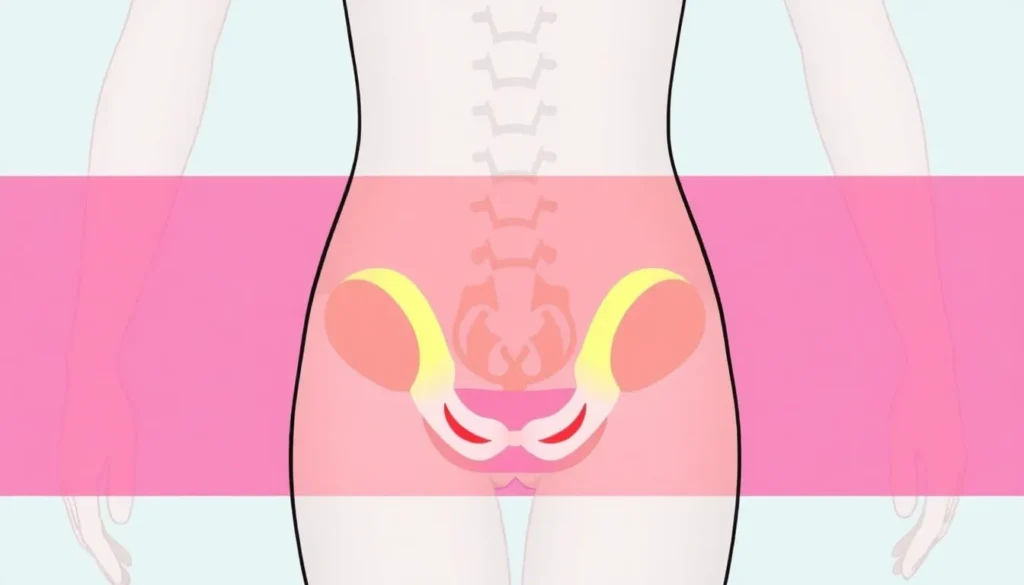
The term “FUPA” is an acronym that stands for “Fat Upper Pubic Area” or “Fatty Upper Pubic Area.” It describes the accumulation of fat or loose skin in the lower abdominal region, specifically above the pubic bone and below the navel. This area is anatomically part of the lower abdomen, and the appearance of a FUPA can vary widely among women depending on body composition, genetics, and lifestyle factors.
Detailed Explanation
FUPA is not a medical term but a colloquial phrase used to describe a particular aesthetic characteristic of the lower abdomen. The upper pubic area contains layers of subcutaneous fat, connective tissue, and skin that can expand or sag due to various reasons. Women may develop a FUPA due to weight gain, hormonal changes, pregnancy-related skin stretching, or natural genetic predisposition. After childbirth or significant weight loss, the skin in this region may lose elasticity, resulting in a noticeable fold or bulge.
How It Works
The accumulation of fat in the upper pubic area occurs as a result of the body’s natural fat distribution processes. Hormones such as estrogen influence fat storage patterns in women, often favoring deposits around the hips, thighs, and lower abdomen. When excess calories are consumed or metabolism slows, fat cells in this area can enlarge. Additionally, skin elasticity plays a critical role; when stretched beyond its capacity, the skin may not fully retract, creating a loose or sagging appearance. Musculature beneath this region, including the lower abdominal muscles, can also affect the overall contour depending on muscle tone and strength.
Examples
- A woman who has undergone multiple pregnancies may have a more prominent FUPA due to stretched skin and abdominal changes.
- Individuals who have experienced significant weight loss may notice loose skin in the upper pubic area, contributing to the FUPA appearance.
- Some women naturally store more fat in the lower abdomen due to genetic predispositions, which can result in a visible FUPA even without weight fluctuations.
Pros and Cons
Pros:
- FUPA is a natural and common physical characteristic experienced by many women.
- It can serve as a visual indicator of changes in body composition or health status.
Cons:
- Some women may feel self-conscious or dissatisfied with the appearance of a FUPA due to societal beauty standards.
- Excess fat or loose skin in this area can be challenging to target with exercise alone.
Comparison Table
| Aspect | FUPA | Lower Abdominal Fat |
|---|---|---|
| Meaning | Excess fat or loose skin above the pubic bone | General fat accumulation in the lower abdomen area |
| Causes | Weight gain, pregnancy, skin elasticity loss | Caloric surplus, hormonal factors, genetics |
| Visibility | Often forms a fold or bulge just above the pubic area | Can be distributed more broadly across the lower abdomen |
Decision Checklist
- Use this if you want to understand specific fat accumulation above the pubic region.
- Avoid this if you are looking for a medical diagnosis related to abdominal health.
- Check this first before considering cosmetic or surgical interventions for body contouring.
What is the easiest way to understand FUPA?
The easiest way to understand a FUPA is to consider it as a localized area of fat and/or loose skin found above the pubic bone on the lower abdomen, commonly influenced by factors such as body weight, pregnancy, and genetics. It is a descriptive term rather than a clinical diagnosis, used to describe a physical feature that many women experience.
FAQ
Is FUPA a medical condition?
No, FUPA is a colloquial term used to describe excess fat or loose skin above the pubic area and is not recognized as a medical condition.
Can exercise eliminate a FUPA?
While exercise can reduce overall body fat and strengthen abdominal muscles, it may not entirely eliminate a FUPA, especially if loose skin is present.
What causes a FUPA to develop?
FUPA can develop due to weight gain, pregnancy-related skin stretching, hormonal changes, genetics, and loss of skin elasticity.



Leave a Reply