
Short Answer
Overview
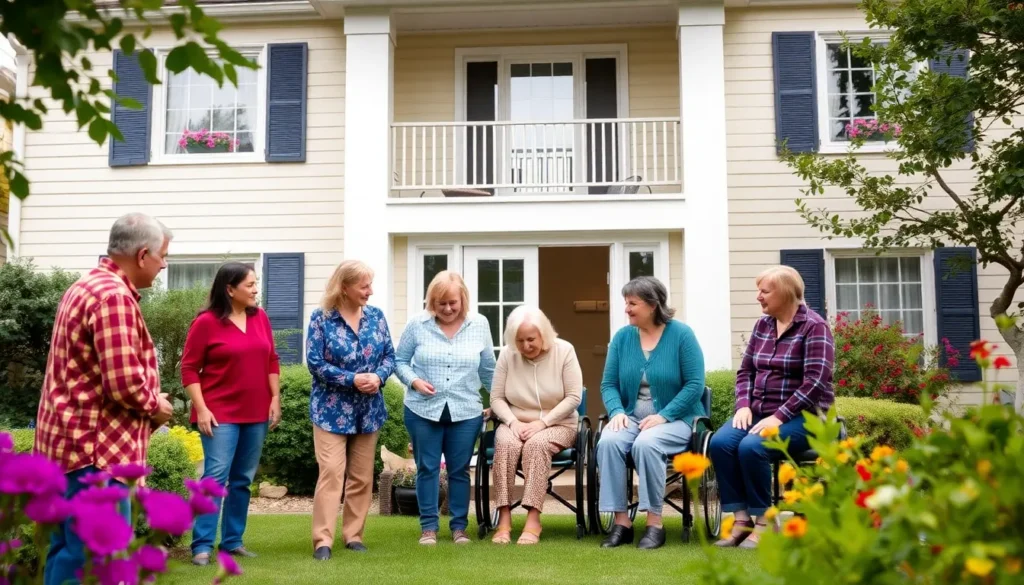
A group home is a type of residential facility where a small number of unrelated individuals live together in a supportive environment. These homes are typically designed to provide housing, care, and supervision for people who cannot live independently due to physical disabilities, developmental or intellectual disabilities, mental health issues, or other special needs. Group homes aim to create a safe, stable, and nurturing setting that promotes social interaction, personal growth, and community integration.
Detailed Explanation
Group homes vary widely depending on their target population, the level of care provided, and the regulatory framework in their location. They can be operated by government agencies, non-profit organizations, or private entities. Residents may receive assistance with daily living activities such as cooking, cleaning, medication management, and transportation. The size of group homes typically ranges from a few residents to around 10 or more, allowing for a more personalized and family-like atmosphere compared to larger institutional settings.
Licensing and certification requirements ensure that group homes meet safety standards and provide appropriate care. Staff members often include trained caregivers, social workers, or healthcare professionals who support the residents’ physical, emotional, and social needs. The overarching goal is to enhance residents’ quality of life by fostering independence while ensuring necessary support is available.
How It Works
Individuals who may benefit from living in a group home are often referred through social service agencies, healthcare providers, or family members. After assessment, appropriate placement is determined based on the individual’s needs and the home’s capacity to meet those needs. Once placed, residents typically participate in creating personalized care plans that address their goals and requirements.
Daily operations in group homes include structured routines with activities, therapy sessions, social outings, and skill-building exercises. Staff monitor residents’ health and well-being, coordinate medical appointments, and provide crisis intervention if needed. The environment encourages community living and peer interaction, which can be vital for emotional support and development.
Examples
- Group homes for individuals with developmental disabilities: These homes provide tailored support for residents to develop life skills, engage in vocational training, and participate in social activities.
- Mental health group homes: Facilities offering a structured environment for individuals with psychiatric conditions, often including counseling and medication management.
- Transitional group homes: Designed to help individuals moving from institutional care or homelessness towards independent living, offering gradual increases in responsibility and support.
Pros and Cons
- Pros: Provides a supportive and supervised living environment; promotes social interaction and community integration; offers personalized care and assistance; can improve quality of life for residents.
- Cons: Limited privacy due to shared living; potential for inconsistent quality depending on management; may restrict autonomy compared to independent living; sometimes stigmatized in communities.
Comparison Table
| Aspect | Group Home | Independent Living |
|---|---|---|
| Meaning | Residential facility with support and supervision for individuals needing assistance | Housing where individuals live without formal support or supervision |
| Care Level | Moderate to high, depending on resident needs | Minimal or none; residents manage all personal care |
| Social Environment | Shared living with peers and staff support | Individual or family-based, with variable social contact |
| Privacy | Limited due to communal living | High, with personal control over living space |
| Cost | Often subsidized or covered by social services | Paid fully by individual or family |
Decision Checklist
- Use this if: The individual requires daily living assistance and supervision but benefits from a home-like environment.
- Avoid this if: The individual is capable of living independently and prefers privacy without supervision.
- Check this first: Whether the group home meets regulatory standards, offers appropriate services, and suits the individual’s specific needs.
What is the easiest way to understand a Group Home?
The easiest way to understand a group home is to think of it as a shared home designed for people who need help with daily activities, where staff provide support and care while residents live together in a family-like setting.
FAQ
Who typically lives in a group home?
Group homes commonly serve individuals with developmental disabilities, mental health challenges, physical disabilities, or those transitioning from institutions who need support with daily living.
How is a group home different from a nursing home?
Group homes generally provide less intensive medical care and more community-based support, whereas nursing homes focus on skilled medical and nursing care for primarily elderly or severely ill residents.
Are group homes regulated by the government?
Yes, group homes are subject to licensing and regulatory oversight to ensure safety, quality of care, and compliance with standards specific to their resident populations.





Leave a Reply