
Short Answer
Overview
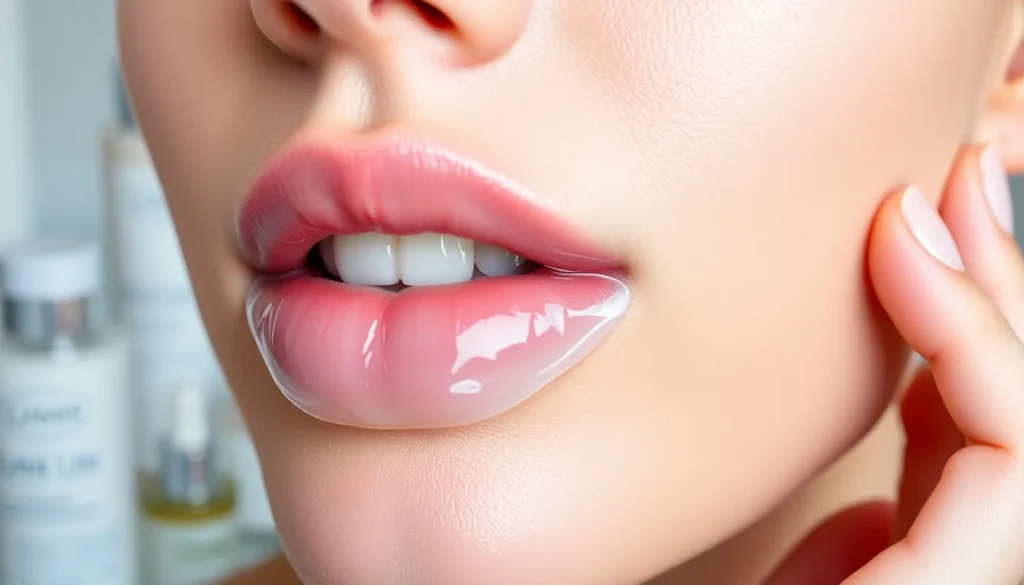
A lip mask is a cosmetic skincare product formulated specifically for application on the lips. Its primary purpose is to provide intense hydration, nourishment, and repair to the delicate skin of the lips. Lip masks often contain moisturizing agents, antioxidants, vitamins, and other ingredients aimed at improving lip texture, reducing dryness, and enhancing softness. They are typically used as an occasional treatment rather than a daily product, although some formulations may be suitable for more frequent use.
Detailed Explanation
Lip masks can come in various forms, including gel-like balms, sheet masks, or thick cream-based treatments. They differ from regular lip balms by offering a more concentrated treatment that is left on the lips for a set period, often overnight or for 10 to 20 minutes. The ingredients in lip masks are chosen to address common lip concerns such as chapping, flaking, and loss of firmness. Common components include hyaluronic acid, shea butter, natural oils, peptides, and vitamins like E and C. Some lip masks also include exfoliating agents to remove dead skin cells.
How It Works
A lip mask works by creating a barrier on the lip surface that locks in moisture while delivering active ingredients to the skin. When applied, the mask’s occlusive properties prevent moisture loss, allowing the lips to absorb hydration and nutrients more effectively. Ingredients such as hyaluronic acid attract and retain water, improving lip plumpness and smoothness. Antioxidants and vitamins help protect against environmental damage and support skin repair. In the case of sheet lip masks, the adhered material helps maintain consistent contact between the product and the lips for optimized absorption.
Examples
- Gel-based lip masks that are applied as a thick layer and left on overnight to deeply hydrate lips.
- Sheet lip masks designed to cover the lips and deliver a concentrated dose of moisturizing ingredients.
- Cream or balm-style masks that can be used for shorter periods during the day to soothe dry or cracked lips.
Why It Matters
The lips have thinner skin compared to other parts of the face and lack oil glands, making them prone to dryness, cracking, and sensitivity. Lip masks provide an effective way to address these issues by delivering intensive care that standard lip balms may not offer. They can improve lip health, appearance, and comfort, especially in harsh weather conditions or during periods of dehydration.
Common Misconceptions
Misconception: Lip masks are the same as regular lip balms.
Correction: Lip masks are more concentrated treatments designed for periodic use, whereas lip balms are lighter and intended for frequent application to maintain moisture.
Misconception: Lip masks can permanently change lip size or shape.
Correction: Lip masks improve hydration and plumpness temporarily but do not alter the natural structure of the lips.
Pros and Cons
Pros: Provide deep hydration, improve lip texture, can soothe and repair damaged lips, often contain beneficial active ingredients.
Cons: Can be more expensive than regular lip balms, require a specific application time, some formulations may cause irritation for sensitive individuals.
Comparison Table
| Aspect | Lip Mask | Lip Balm |
|---|---|---|
| Meaning | Concentrated treatment applied for a set time to deeply hydrate and repair lips. | Lightweight moisturizing product for frequent, daily use to maintain lip moisture. |
| Application Duration | Typically 10–20 minutes or overnight. | Reapplied as needed throughout the day. |
| Effect | Provides intensive hydration and nourishment. | Offers basic moisture and protection. |
| Ingredients | Often contains higher concentrations of active ingredients like hyaluronic acid and vitamins. | Contains emollients and occlusives but usually in lower concentrations. |
Decision Checklist
What is the easiest way to understand Lip Masks?
Think of a lip mask as a short-term, high-intensity treatment for the lips, akin to a facial mask for the face. It is designed to deeply nourish and hydrate the lips beyond what everyday lip care products provide.
FAQ
How often should I use a lip mask?
Lip masks are generally recommended for use one to a few times per week, depending on the product and individual lip condition.
Can lip masks replace lip balm?
No, lip masks are meant as intensive treatments and do not replace the regular moisturizing and protective function of lip balms.
Are lip masks suitable for sensitive skin?
Some lip masks may contain ingredients that irritate sensitive skin, so it is advisable to check the ingredient list and perform a patch test before use.





Leave a Reply