
Short Answer
Overview
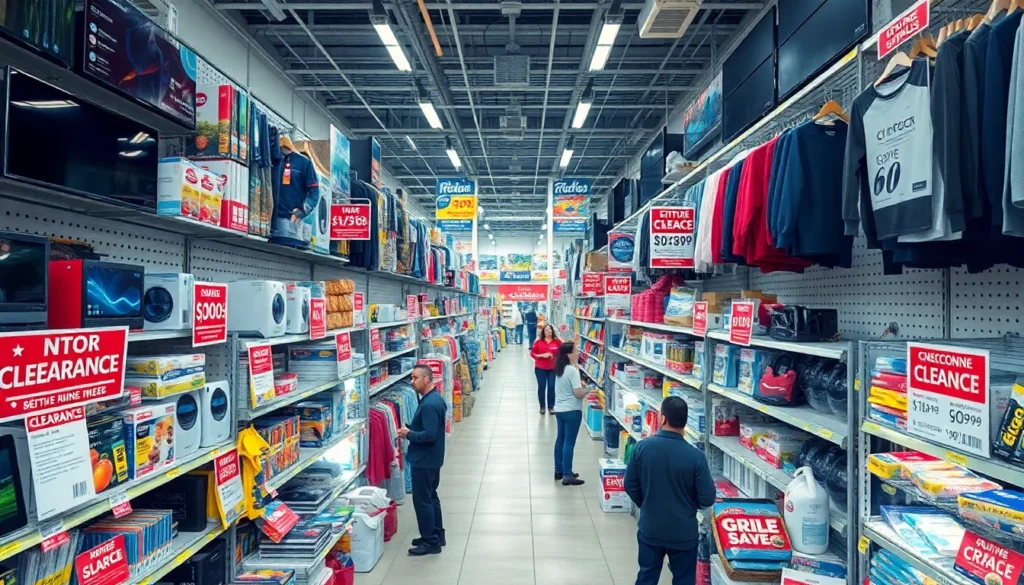
A liquidation store is a type of retail establishment that specializes in selling goods acquired from liquidated stock, often at significantly reduced prices. These goods may originate from businesses that are closing down, clearing out excess inventory, or discontinuing certain product lines. Liquidation stores serve as outlets for overstocked, returned, or refurbished merchandise, providing consumers access to discounted products that might otherwise be difficult to find.
Detailed Explanation
Liquidation stores typically obtain their inventory through bulk purchases from manufacturers, wholesalers, retailers, or companies undergoing financial distress. The stock can include a wide range of items such as electronics, clothing, household goods, and more. The products sold may be new, slightly damaged, refurbished, or even used, depending on the store’s sourcing practices. The goal of these stores is to convert surplus or unwanted goods into cash by offering them at prices lower than traditional retail.
How It Works
When a company decides to liquidate, it sells its assets to pay off debts or to exit the market. Liquidation stores purchase these assets—often in large quantities—at discounted rates. They then resell the items to consumers at marked-down prices. The pricing strategy is designed to move inventory quickly, making room for new stock and generating revenue. Customers benefit from the lower prices, while sellers reduce storage costs and recoup some capital. The process may involve auctions, direct sales, or contracts with liquidation companies.
Examples
- Big Box Store Liquidations: When large retailers like electronics chains or department stores close, liquidation stores may acquire their remaining inventory for resale.
- Overstock Outlets: Retailers sometimes sell excess inventory to liquidation stores to avoid markdowns in their primary locations.
- Returned Goods Resellers: Some liquidation stores specialize in selling returned or refurbished products, such as consumer electronics or appliances.
Pros and Cons
Pros:
- Access to discounted products, potentially saving consumers money.
- Opportunity to purchase a wide variety of products in a single location.
- Helps reduce waste by promoting the sale of surplus and returned goods.
Cons:
- Product quality may vary, with some items being damaged or refurbished.
- Limited warranties or return policies compared to traditional retail.
- Inventory is often unpredictable and varies greatly over time.
Comparison Table
| Aspect | Liquidation Store | Traditional Retail Store |
|---|---|---|
| Meaning | Sells liquidated, overstocked, or returned merchandise at reduced prices | Sells new products at standard retail prices |
| Inventory Source | Liquidated stock, returns, overstock | Direct from manufacturers or distributors |
| Pricing | Discounted, variable | Fixed, standard |
| Product Condition | New, used, refurbished, or damaged | Primarily new |
| Return Policy | Often limited or no returns | Typically standard return policies |
Decision Checklist
- Use this if: You are looking for discounted products and are willing to accept varied product conditions.
- Avoid this if: You require products with full warranties or guaranteed new condition.
- Check this first: Verify the store’s return policy and inspect product condition before purchase.
What is the easiest way to understand Liquidation Stores?
Think of liquidation stores as outlets that sell goods businesses no longer want or need, often at lower prices. They act as intermediaries between companies trying to quickly offload inventory and consumers seeking bargains, with inventory that can range widely in condition and type.
FAQ
What kinds of products are sold in liquidation stores?
Liquidation stores sell a variety of products including electronics, clothing, household items, and more, often sourced from liquidated, overstocked, or returned inventory. The condition of these products can range from new to refurbished or used.
Are products in liquidation stores guaranteed to be new?
Not necessarily. While some products may be new, many items in liquidation stores can be refurbished, used, or slightly damaged. It is important for buyers to check the condition and any warranties available.
Why do companies sell products to liquidation stores?
Companies sell to liquidation stores to quickly convert excess, returned, or discontinued inventory into cash, especially during business closures or when clearing out overstock. This helps reduce storage costs and recover some capital.





Leave a Reply