
Short Answer
Overview
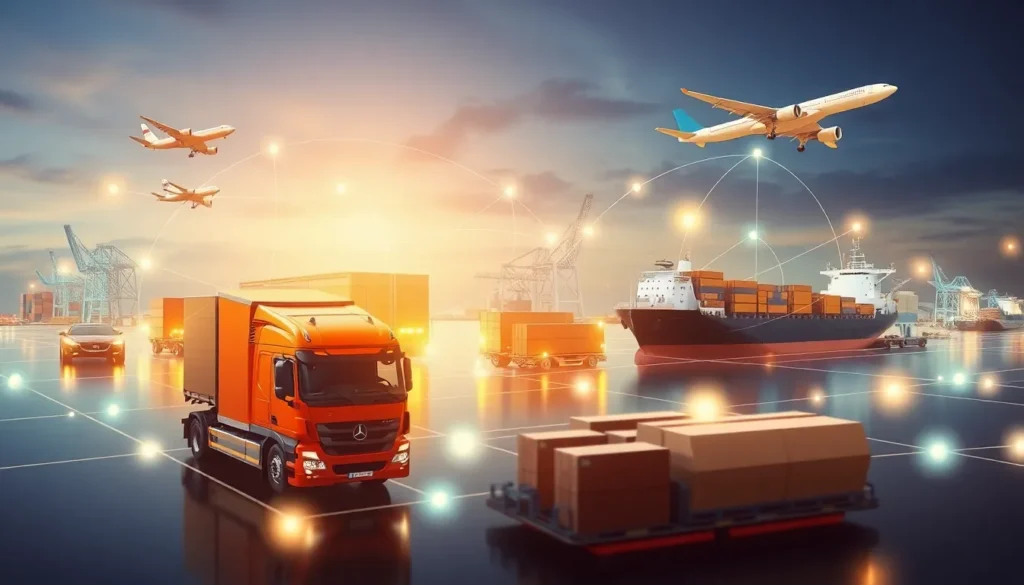
A logistics company is a business entity that specializes in managing the movement, storage, and flow of goods, services, and information from origin to consumption. These companies provide a range of services including transportation, warehousing, inventory management, order fulfillment, and distribution. Their primary goal is to ensure products are delivered to the right place, at the right time, and in the desired condition while optimizing costs and efficiency.
Detailed Explanation
Logistics companies operate within the broader framework of supply chain management, focusing specifically on the physical movement and storage of materials. They may serve various industries such as manufacturing, retail, e-commerce, and healthcare. The scope of their services can vary widely, from basic freight transportation to comprehensive third-party logistics (3PL) that includes integrated supply chain solutions.
These companies often utilize advanced technologies such as transportation management systems (TMS), warehouse management systems (WMS), and real-time tracking tools to enhance operational efficiency and transparency. They coordinate multiple modes of transport including road, rail, sea, and air, depending on the requirements of the shipment.
How It Works
A logistics company typically begins its process by receiving an order or shipment request from a client. It then plans the best route and mode of transportation, considering factors like cost, speed, and cargo type. This involves scheduling pickups, arranging storage if necessary, and coordinating with carriers.
Once goods are in transit, the logistics provider monitors shipment progress to ensure timely delivery and manages any issues such as delays or damage. Upon arrival, they handle unloading, inventory updates, and final distribution to end customers or retail locations. Communication and data sharing with clients throughout the process are crucial for transparency and responsiveness.
Examples
- Third-Party Logistics (3PL) Providers: These companies offer outsourced logistics services, managing partial or entire supply chain functions for other businesses. Examples include DHL Supply Chain and XPO Logistics.
- Freight Forwarders: Firms that arrange shipments for cargo owners, often consolidating smaller shipments to optimize costs and choosing carriers and routes.
- Courier and Express Delivery Services: Companies like FedEx and UPS specialize in fast, time-sensitive deliveries primarily for small parcels and documents.
Why It Matters
Logistics companies play a critical role in global commerce by enabling the efficient movement of goods across regions and countries. They contribute to reducing delivery times, lowering transportation costs, and improving customer satisfaction. Effective logistics solutions support businesses in maintaining inventory levels, managing seasonal demand fluctuations, and expanding market reach.
Common Misconceptions
Misconception: Logistics companies only handle transportation.
Correction: While transportation is a core function, logistics companies also manage warehousing, inventory control, packaging, and supply chain coordination.
Misconception: All logistics companies offer the same services.
Correction: Logistics providers vary widely in their specialization, from last-mile delivery to international freight forwarding and comprehensive 3PL services.
Pros and Cons
Pros: Logistics companies provide expertise that can reduce costs, improve delivery speed, and increase supply chain efficiency. They offer scalable solutions and access to advanced technology.
Cons: Outsourcing logistics can reduce direct control over operations and may lead to dependency on third parties. Service quality and costs can vary, requiring careful provider selection.
Comparison Table
| Aspect | Logistics Company | Alternative/Related Topic |
|---|---|---|
| Meaning | An entity managing the movement, storage, and flow of goods and information. | Supply Chain Management: A broader concept encompassing all activities from raw material sourcing to product delivery. |
| Scope | Focus on transportation, warehousing, distribution, and related services. | Manufacturing: Involves production processes rather than distribution. |
| Services | Includes freight forwarding, warehousing, inventory management, last-mile delivery. | Courier Services: Specialized in small parcel and express delivery. |
Decision Checklist
What is the easiest way to understand a Logistics Company?
The simplest way to understand a logistics company is to view it as a specialized service provider that ensures products move smoothly from suppliers to customers, managing all the steps in between such as transportation, storage, and delivery coordination, thereby helping businesses meet their distribution goals efficiently.
FAQ
What services do logistics companies provide?
Logistics companies provide services such as transportation management, warehousing, inventory control, freight forwarding, order fulfillment, and distribution coordination.
How do logistics companies differ from couriers?
Couriers typically focus on small parcel and express delivery, often within local or regional areas, while logistics companies offer broader supply chain services including freight transport, warehousing, and inventory management.
Why do businesses use logistics companies?
Businesses use logistics companies to leverage their expertise, technology, and networks to reduce costs, improve delivery speed, and manage complex supply chain operations efficiently.





Leave a Reply