
Short Answer
Overview
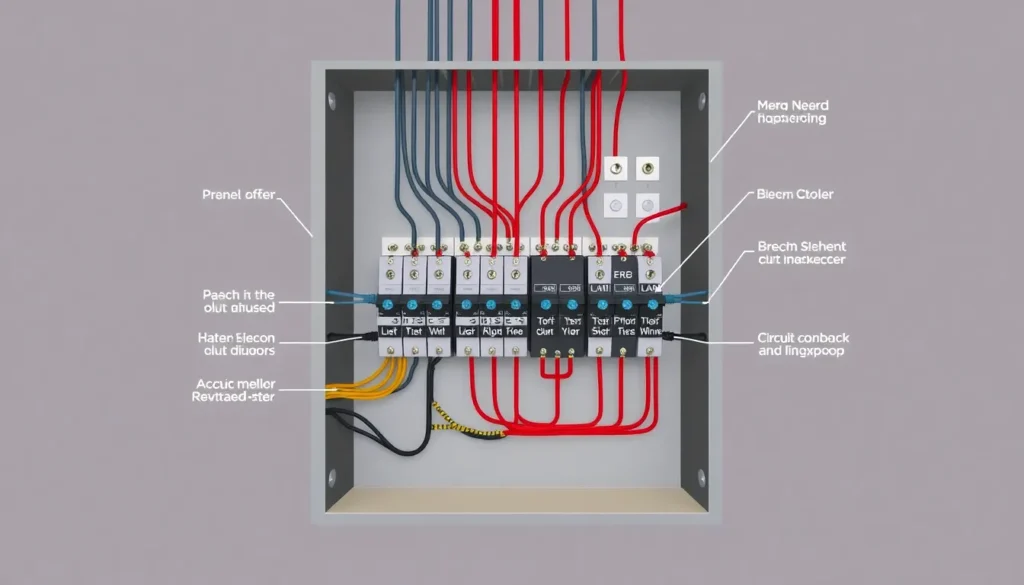
A branch circuit is a fundamental component of electrical wiring systems in residential, commercial, and industrial buildings. It refers to the portion of an electrical distribution system that extends from the final overcurrent protective device, such as a circuit breaker or fuse, to the outlets, fixtures, or equipment it supplies. Branch circuits are designed to safely distribute electrical power to specific loads and are governed by national and local electrical codes to ensure safety and functionality.
Detailed Explanation
In electrical engineering and wiring practices, a branch circuit is part of the wiring system that carries current from the main service panel or distribution panel to end-use devices. It is distinct from other parts of the electrical system, such as feeders and service conductors. Feeders carry power from the service equipment to subpanels, whereas branch circuits originate at the final overcurrent protective device and provide power directly to utilization equipment.
Branch circuits can be classified based on the type of load they supply, such as lighting circuits, appliance circuits, or general-purpose receptacle circuits. Electrical codes, such as the National Electrical Code (NEC) in the United States, specify requirements for branch circuit design, including conductor size, overcurrent protection ratings, permissible load, and grounding methods.
How It Works
A branch circuit begins at the output terminals of a circuit breaker or fuse located in the distribution panel. From there, insulated conductors run through conduits or raceways to the point of use, such as electrical outlets, lighting fixtures, or hardwired equipment. The circuit breaker protects the branch circuit by interrupting power if the current exceeds the rated value, preventing overheating and potential fires.
Branch circuits typically include a hot conductor(s), a neutral conductor, and a grounding conductor. The hot conductor carries current to the load, the neutral returns current to the source, and the grounding conductor provides a safety path for fault currents. The design and number of conductors depend on whether the circuit is single-phase or multi-phase and the specific load requirements.
Examples
- Lighting Circuit: A branch circuit supplying several ceiling lights in a room, often protected by a 15-amp circuit breaker.
- Receptacle Circuit: A branch circuit serving multiple electrical outlets in a living area, designed to handle general-purpose loads.
- Dedicated Appliance Circuit: A branch circuit dedicated to a large appliance, such as an electric oven or air conditioner, with higher amperage rating and specific wiring.
Pros and Cons
Pros:
- Provides organized and safe distribution of electrical power to multiple devices.
- Enhances electrical safety by incorporating overcurrent protection at the circuit level.
- Allows for easy identification and isolation of circuits for maintenance or troubleshooting.
Cons:
- Improper design or installation can lead to overloaded circuits and potential hazards.
- Requires careful planning to ensure adequate capacity and compliance with electrical codes.
- Multiple branch circuits may increase complexity in larger electrical systems.
Comparison Table
| Aspect | Branch Circuit | Feeder Circuit |
|---|---|---|
| Meaning | Electrical circuit from the final overcurrent device to outlets or loads. | Conductors carrying power from service equipment to subpanels or distribution points. |
| Purpose | Distribute power directly to end-use devices. | Distribute power to distribution panels or subpanels. |
| Overcurrent Protection | Protected by individual circuit breakers or fuses. | Protected by upstream breakers or fuses at the service panel. |
| Load Type | Typically specific loads like lighting or appliances. | Feeds multiple branch circuits or panels. |
Decision Checklist
- Use this if: You need to supply electrical power directly to outlets, lighting, or appliances within a building.
- Avoid this if: You are distributing power between main panels or subpanels (use feeders instead).
- Check this first: Ensure compliance with local electrical codes and verify load requirements before designing branch circuits.
What is the easiest way to understand a Branch Circuit?
The simplest way to understand a branch circuit is to think of it as the last segment of wiring that delivers electricity from the circuit breaker in your electrical panel to the devices you plug into your outlets or the lights in your rooms. It’s essentially the final pathway that ensures electricity safely reaches your electrical equipment within a building.
FAQ
What is the difference between a branch circuit and a feeder?
A branch circuit originates at the final overcurrent protective device and supplies power directly to outlets and loads, whereas a feeder carries power from the main service equipment to subpanels or distribution points without supplying end-use devices directly.
Why is overcurrent protection important in branch circuits?
Overcurrent protection devices such as circuit breakers or fuses prevent excessive current flow that can cause overheating, equipment damage, or electrical fires by interrupting power when current exceeds safe levels.
Can a branch circuit supply multiple types of loads?
Branch circuits can supply multiple loads, but they are often designed for specific purposes such as lighting or receptacles to ensure proper capacity and safety according to electrical codes.



Leave a Reply