
Short Answer
Overview
A non-DOT drug screening refers to drug testing procedures that are not regulated by the U.S. Department of Transportation (DOT). These screenings are typically used by employers or organizations that choose to conduct drug testing but are not bound by DOT rules. Unlike DOT drug tests, which follow strict federal guidelines for safety-sensitive transportation employees, non-DOT drug screenings have more flexible protocols regarding specimen collection, substance panels tested, and reporting requirements.
Detailed Explanation
Non-DOT drug screenings can vary widely depending on the organization’s requirements, the substances being tested for, and the testing laboratory’s capabilities. They usually test for common drugs of abuse such as marijuana, cocaine, amphetamines, opioids, and phencyclidine (PCP), but they may also include other substances like benzodiazepines or synthetic drugs. The procedures for specimen collection, chain of custody, and confirmation testing are generally less stringent than those mandated for DOT testing.
How It Works
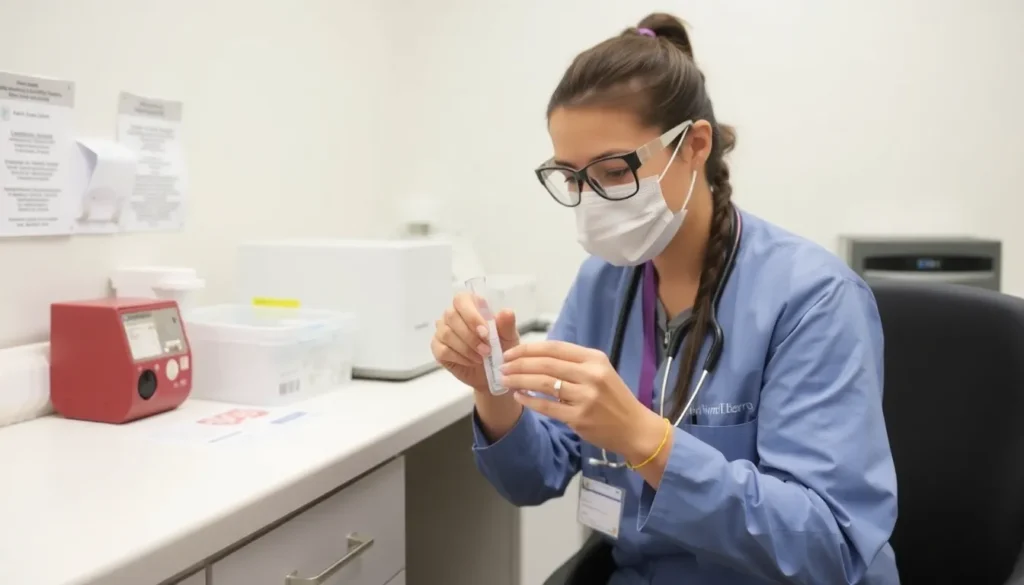
The process of non-DOT drug screening typically begins with specimen collection, which can involve urine, saliva, hair, or blood samples depending on the test type. The sample is then analyzed by a certified laboratory that conducts an initial screening test. If the result is positive, a confirmatory test using techniques such as gas chromatography-mass spectrometry (GC-MS) or liquid chromatography-tandem mass spectrometry (LC-MS/MS) is performed to verify the presence of specific substances. The results are then reported to the employer or ordering party without the formal involvement of a Medical Review Officer (MRO) unless specifically requested.
Examples
- Pre-employment Testing: Employers may require non-DOT drug screening before hiring to ensure a drug-free workplace.
- Random Workplace Testing: Some companies conduct random non-DOT drug tests as part of their internal policies to deter substance abuse.
- Post-Accident Testing: Following a workplace incident, non-DOT drug screening may be performed to determine if substances contributed to the event.
Pros and Cons
- Pros: Provides flexibility in testing protocols; can be tailored to the employer’s specific needs; often less costly than DOT-regulated testing; allows testing for a broader range of substances.
- Cons: Lacks the standardized procedures and legal protections present in DOT testing; potential for less rigor in specimen collection and handling; results may be less defensible in legal or regulatory contexts.
Comparison Table
| Aspect | Non-DOT Drug Screening | DOT Drug Screening |
|---|---|---|
| Meaning | Drug testing not regulated by the U.S. Department of Transportation, used for general employment or organizational policies. | Drug testing regulated by the DOT for safety-sensitive transportation employees following federal guidelines. |
| Regulation | Varies by employer and state laws, no federal mandate. | Strict federal regulations under 49 CFR Part 40. |
| Substances Tested | Customizable; may include a wider range of drugs. | Standardized panel including marijuana, cocaine, opiates, amphetamines, PCP. |
| Specimen Types | Urine, saliva, hair, or blood depending on policy. | Primarily urine specimens. |
| Medical Review Officer (MRO) Involvement | Optional based on employer policy. | Mandatory for result review and verification. |
| Use Cases | General employment, workplace safety, insurance requirements. | Transportation industry compliance and safety regulation. |
Decision Checklist
- Use this if: You need flexible drug testing policies outside of DOT regulations or for non-transportation employees.
- Avoid this if: Federal DOT regulations apply to your industry or employee role.
- Check this first: Whether your industry or job function is subject to DOT drug testing mandates.
What is the easiest way to understand Non-DOT Drug Screening?
Think of non-DOT drug screening as a general workplace drug test that does not follow the strict federal rules applied to transportation workers. It gives employers the freedom to design testing that fits their specific needs without adhering to the detailed DOT requirements.
FAQ
What substances are typically tested in a non-DOT drug screening?
Non-DOT drug screenings commonly test for substances such as marijuana, cocaine, amphetamines, opioids, and PCP, but the panel can be customized to include additional drugs depending on employer requirements.
Is non-DOT drug screening mandatory for all employees?
No, non-DOT drug screening is usually conducted at the discretion of the employer and is not federally mandated unless required by specific state laws or company policies.
How does non-DOT drug screening differ from DOT drug screening?
Non-DOT drug screening differs primarily in regulatory oversight, specimen collection standards, substances tested, and involvement of a Medical Review Officer. DOT screening follows strict federal regulations, while non-DOT screening is more flexible and employer-defined.






Leave a Reply