
Short Answer
Overview
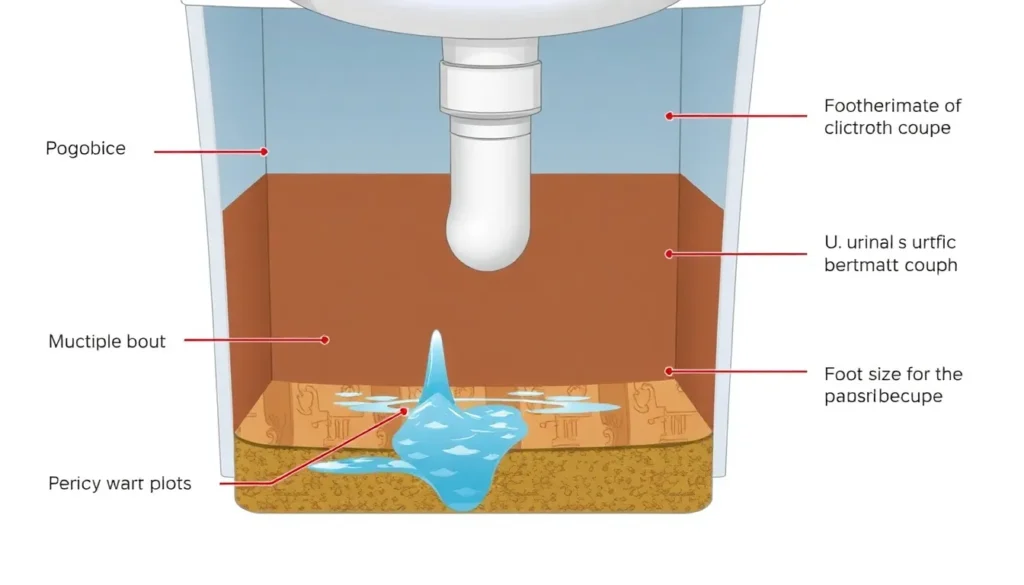
A pee trap is a plumbing device primarily used in urinals, toilets, and other fixtures that dispose of urine and wastewater. It serves as a barrier that prevents the passage of sewer gases into indoor spaces by maintaining a water seal in a curved section of the drainage pipe. This water seal is essential for maintaining hygiene and odor control in residential, commercial, and public restrooms.
Detailed Explanation
The pee trap is a variant of a plumbing trap, typically characterized by a U-shaped bend in the pipe beneath a fixture. When urine or wastewater flows through the pipe, some water remains trapped in this bend, creating a physical barrier that blocks gases from the sewer line from entering the building. The term “pee trap” is often used colloquially to refer to traps associated with urinals specifically, but the principle applies broadly to similar plumbing traps in toilets and sinks.
These traps are mandated by plumbing codes in many regions due to their critical role in indoor air quality and sanitation. Without a properly functioning trap, unpleasant odors and potentially harmful gases such as methane can infiltrate living or working spaces, creating health hazards and discomfort.
How It Works
The functioning of a pee trap relies on the retention of a water seal within the trap’s bend. When urine or wastewater passes through, it displaces the water in the trap but leaves enough to maintain the seal. This seal acts as a physical barrier preventing the backflow of sewer gases. The trap must be properly vented and installed with the correct slope and dimensions to ensure efficient drainage and to prevent siphoning or evaporation of the water seal.
In some specialized urinal designs, waterless traps or synthetic sealants may be used to fulfill the same purpose without relying on water. However, traditional water-based traps remain the most common design due to their simplicity and reliability.
Examples
- Standard U-bend Trap: The most common form found beneath urinals and toilets, consisting of a curved pipe retaining water to form the seal.
- S-Trap: Similar to a U-bend but with an additional curve, occasionally used in older plumbing systems but less favored today due to venting issues.
- Waterless Urinal Trap: Utilizes a mechanical seal or trap insert instead of water to prevent sewer gases from escaping, often used in water-saving installations.
Pros and Cons
Pros:
- Effectively prevents sewer gases and odors from entering indoor spaces.
- Essential for maintaining sanitary conditions in restrooms.
- Simple design and widely compatible with most plumbing systems.
- Helps comply with plumbing codes and public health regulations.
Cons:
- Water seal can evaporate if the fixture is unused for long periods, breaking the barrier.
- Improper installation or maintenance can lead to leaks or odors.
- Water-based traps consume water, which can be a concern in water conservation efforts.
Comparison Table
| Aspect | Pee Trap | Alternative/Related Topic |
|---|---|---|
| Meaning | A plumbing device using a water seal to prevent sewer gas escape. | Waterless Trap: Uses mechanical seals instead of water to block gases. |
| Function | Maintains a water barrier to block sewer gases. | Vent Pipe: Allows air into plumbing to maintain pressure and prevent siphoning. |
| Common Use | Urinals, toilets, sinks. | Floor Drain Trap: Similar function but used in floor drains. |
| Maintenance | Requires periodic water replenishment in low-use fixtures. | Waterless traps need cartridge replacement or cleaning. |
Decision Checklist
- Use this if: You need to prevent sewer gases and odors in urinals or toilets with regular water flow.
- Avoid this if: The fixture will remain unused for extended periods without maintenance; consider waterless traps or alternative solutions.
- Check this first: Plumbing code requirements and fixture compatibility before installation.
What is the easiest way to understand a Pee Trap?
The simplest way to understand a pee trap is to think of it as a small reservoir of water sitting in the pipe beneath a urinal or toilet that acts like a cork, stopping bad smells and gases from coming back up into the room.
FAQ
Why is a pee trap necessary in plumbing?
A pee trap is necessary to maintain a water seal that prevents harmful and foul-smelling sewer gases from entering indoor spaces, ensuring sanitary and safe environments.
Can a pee trap dry out and cause odors?
Yes, if a fixture is unused for an extended period, the water in the trap can evaporate, breaking the seal and allowing odors to escape. Regular use or maintenance is required to prevent this.
Are there waterless alternatives to traditional pee traps?
Yes, waterless traps use mechanical seals or cartridges to block sewer gases without relying on water, offering water conservation benefits but requiring different maintenance.






Leave a Reply