
Short Answer
Overview
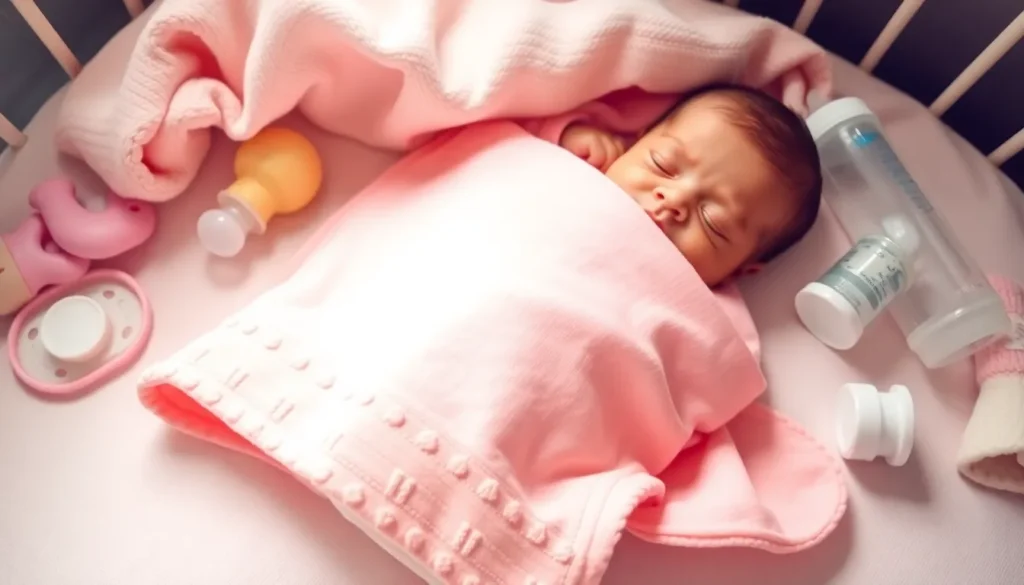
A receiving blanket is a small, lightweight blanket designed for use with newborn infants. Traditionally, it is made from soft, breathable fabrics such as cotton or flannel. Receiving blankets serve multiple functions in infant care, including swaddling, providing warmth, acting as a burp cloth, or serving as a clean surface for diaper changes. Their size and material properties make them convenient and adaptable for everyday use with babies.
Detailed Explanation
Receiving blankets are typically square or rectangular, measuring approximately 30 by 30 inches (76 by 76 centimeters), although sizes may vary. The fabric is chosen for softness and breathability to prevent overheating and skin irritation in infants. Historically, the term “receiving blanket” refers to their original use in hospitals, where they were given to “receive” a newborn upon delivery.
These blankets are distinguished from larger blankets by their size and multipurpose nature. Unlike heavy quilts or comforters, receiving blankets are thin and easy to handle, making them suitable for wrapping newborns snugly without overheating. They are often sold in sets and come in a variety of colors and patterns.
How It Works
The primary function of a receiving blanket is to swaddle an infant, which involves wrapping the baby snugly to mimic the confined space of the womb. Swaddling can help soothe newborns by limiting their startle reflex and promoting better sleep. Additionally, receiving blankets can be draped over a caregiver’s shoulder to catch spit-up during burping or laid on a surface as a clean changing mat.
The breathable fabric allows for temperature regulation, reducing the risk of overheating—a concern with heavier blankets. Their compact size makes them portable and easy to store, which is practical for parents on the go.
Examples
- Using a receiving blanket to swaddle a newborn immediately after birth to provide comfort and warmth.
- Placing a receiving blanket over the shoulder while burping a baby to protect clothing from spit-up.
- Laying a receiving blanket flat on a surface as a clean area for diaper changes when away from home.
- Using a receiving blanket as a lightweight cover during mild weather when a heavier blanket is not necessary.
Why It Matters
Receiving blankets are significant in infant care due to their versatility and safety features. They support essential caregiving tasks such as swaddling, which has been shown to calm newborns and improve sleep patterns. Their breathable material aids in preventing overheating, a factor linked to safer sleep environments. Furthermore, their multifunctional design reduces the need for multiple specialized items, simplifying care routines for parents and caregivers.
Common Misconceptions
Misconception: Receiving blankets are only for covering babies.
Correction: Receiving blankets have multiple uses including swaddling, burping, and serving as a clean changing surface, not just for covering or warmth.
Misconception: All baby blankets are the same.
Correction: Receiving blankets are specifically designed to be lightweight and breathable, distinguishing them from heavier blankets intended for older children or adults.
Pros and Cons
Comparison Table
| Aspect | Receiving Blanket | Regular Baby Blanket |
|---|---|---|
| Meaning | A small, lightweight, multifunctional cloth used primarily for newborn care. | A larger, often thicker blanket designed mainly for warmth and comfort as the child grows. |
| Size | Typically about 30×30 inches. | Varies, often larger than receiving blankets. |
| Material | Soft, breathable fabrics like cotton or flannel. | Varies widely, including fleece, wool, or synthetic blends. |
| Primary Uses | Swaddling, burping, changing surface, light covering. | Providing warmth and comfort during sleep or rest. |
Decision Checklist
- Use this if you need a versatile, lightweight blanket for newborn care tasks such as swaddling and burping.
- Avoid this if you require a heavy blanket for warmth in cold environments or for older children.
- Check this first when selecting a blanket for a newborn to ensure the fabric is breathable, soft, and safe for infant skin.
What is the easiest way to understand a Receiving Blanket?
The easiest way to understand a receiving blanket is to think of it as a small, soft, and versatile cloth designed specifically to support newborn care by providing warmth, comfort, and practicality during everyday infant activities like swaddling and burping.
FAQ
What is a receiving blanket used for?
A receiving blanket is used for wrapping or swaddling newborns, burping them, providing a clean surface for diaper changes, and as a lightweight cover.
Are receiving blankets safe for newborns?
Yes, when made of breathable fabrics and used properly, receiving blankets are considered safe and beneficial for newborn care, especially for swaddling.
Can I use any blanket as a receiving blanket?
While other blankets can be used, receiving blankets are specifically sized and made from soft, breathable materials ideal for infant use, making them more suitable than regular blankets.





Leave a Reply