
Short Answer
Overview
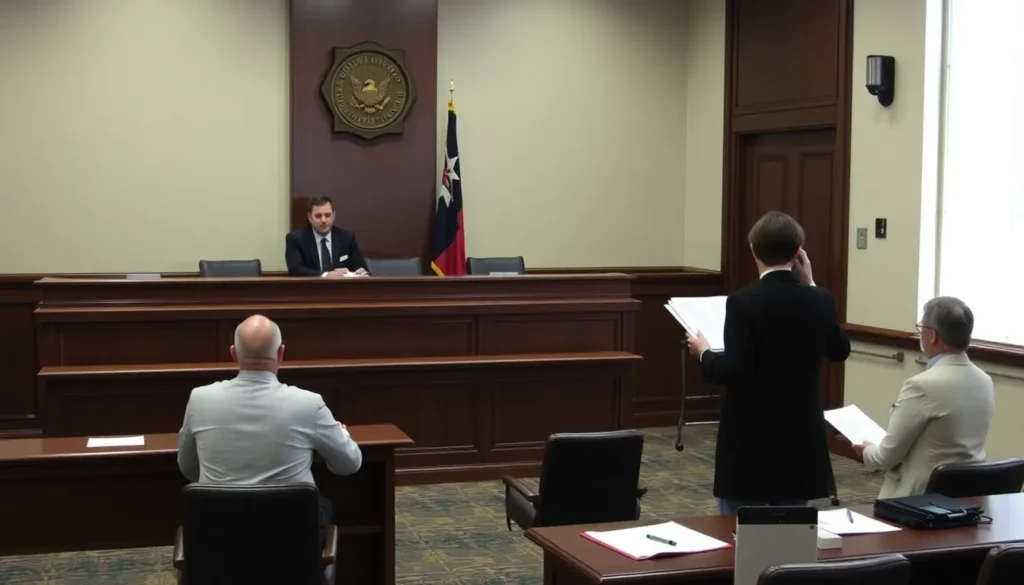
A show cause hearing is a formal legal process in which an individual, organization, or entity is ordered to appear before a tribunal, court, or administrative body to explain or justify why a proposed action should not be taken against them. This hearing typically follows the issuance of a “show cause order” or “show cause notice,” requiring the party to demonstrate cause or provide reasons to avoid penalties, sanctions, or other adverse decisions.
Detailed Explanation
The purpose of a show cause hearing is to ensure due process and fairness by granting the affected party an opportunity to respond to allegations, complaints, or proposed enforcement actions. These hearings are commonly utilized in various legal and administrative contexts, including immigration proceedings, disciplinary actions, regulatory compliance, and civil enforcement matters.
During a show cause hearing, the party must present evidence, arguments, or explanations to convince the adjudicating authority that the proposed action is unwarranted or should be modified. The hearing may involve legal representation, presentation of witnesses, and submission of documentary evidence, depending on the jurisdiction and nature of the case.
How It Works
The process begins with the issuance of a show cause notice, which outlines the reasons for the proposed action and requests the recipient to appear and explain why the action should not proceed. The notice includes details such as the date, time, and location of the hearing.
At the hearing, the adjudicator—such as a judge, administrative officer, or regulatory official—listens to the party’s explanation and any counterarguments. The adjudicator may also consider evidence presented by opposing parties or authorities.
After reviewing the information, the adjudicator issues a decision, which may result in the dismissal of the proposed action, imposition of penalties, or other remedies. The decision is typically documented formally and may be subject to appeal depending on the governing rules.
Examples
- Immigration Law: An individual may receive a show cause notice requiring them to appear before an immigration judge to explain why their visa should not be canceled or their deportation order enforced.
- Employment and Disciplinary Proceedings: An employee accused of misconduct may be asked to attend a show cause hearing to justify why disciplinary measures such as suspension or termination should not be applied.
- Regulatory Compliance: A business failing to meet environmental standards might be issued a show cause notice to demonstrate compliance or justify non-compliance before penalties are imposed.
Why It Matters
Show cause hearings play a critical role in upholding principles of natural justice by providing a fair opportunity for parties to be heard before adverse actions are taken. They help prevent arbitrary decisions, ensure transparency, and promote accountability in legal and administrative processes.
Common Misconceptions
Misconception: A show cause hearing automatically means the party is guilty or at fault.
Correction: The hearing is designed to allow the party to present their case and is not a determination of guilt or fault by itself.
Misconception: The party cannot bring evidence or witnesses to a show cause hearing.
Correction: Depending on the rules governing the hearing, parties often have the right to present evidence, call witnesses, and be represented by counsel.
Pros and Cons
Comparison Table
| Aspect | Show Cause Hearing | Alternative/Related Topic |
|---|---|---|
| Meaning | A proceeding requiring explanation or justification to avoid adverse action. | Summary Judgment: A court decision made without a full trial based on submitted evidence. |
| Purpose | To give a chance to respond before enforcement or penalties. | Trial: Full hearing to determine facts and issue judgment. |
| Formality | Formal but less extensive than full trials. | Full Court Hearing: More formal with extensive procedures. |
Decision Checklist
- Use this if: You receive a formal notice requiring justification to avoid penalties or adverse decisions.
- Avoid this if: You do not have any allegations or notices requiring response.
- Check this first: Review the notice carefully to understand the allegations and prepare an adequate response or seek legal advice.
What is the easiest way to understand a Show Cause Hearing?
Think of a show cause hearing as an official meeting where you must “show cause” or provide reasons why something negative shouldn’t happen to you, such as a penalty or sanction. It is your opportunity to explain your side before a decision is made.
FAQ
What is the main purpose of a show cause hearing?
The main purpose is to give the party accused or affected an opportunity to explain or justify why a proposed action, such as a penalty or enforcement, should not be taken against them.
Can I have a lawyer at a show cause hearing?
In many jurisdictions and types of show cause hearings, parties have the right to be represented by counsel, though this may depend on the specific rules governing the hearing.
Is a show cause hearing the same as a trial?
No, a show cause hearing is generally less formal and more limited in scope than a full trial; it focuses on whether there is sufficient reason to proceed with the proposed action.





Leave a Reply