

Short Answer
Overview
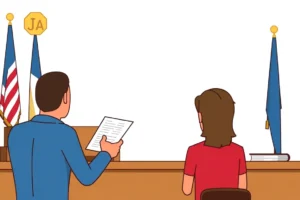
A status hearing is a type of court proceeding in which a judge reviews the current status of a legal case. It is designed to monitor the progress of the case, address unresolved matters, and establish a timeline for upcoming steps. Status hearings are common in both civil and criminal law contexts and serve as a mechanism to promote efficient case management and reduce unnecessary delays in the judicial process.
Detailed Explanation
Status hearings typically do not involve detailed examination of evidence or full trial proceedings. Instead, they are brief sessions where the parties involved report to the court on the progress of discovery, settlement negotiations, motions, or other pretrial activities. The judge may use this opportunity to set deadlines, encourage parties to resolve issues amicably, or decide whether the case is ready to proceed to trial.
The frequency and format of status hearings can vary depending on jurisdiction, the nature of the case, and specific court rules. In some cases, multiple status hearings may occur throughout the litigation process to ensure continuous oversight.
How It Works
Before a status hearing, parties are usually required to submit status reports or updates to inform the court of their activities since the last hearing. During the status hearing, the judge may ask questions to clarify the case’s progress and confirm compliance with court orders or schedules.
The judge may:
- Set or adjust deadlines for discovery and motions
- Discuss settlement possibilities and encourage mediation
- Address procedural issues or disputes
- Determine if the case is ready to proceed to trial or needs further preparation
Status hearings can be conducted in person, by telephone, or via video conferencing, depending on the court’s policies.
Examples
- Civil Case: In a civil lawsuit involving contract disputes, a status hearing might be held to confirm that both parties have exchanged necessary documents and to schedule a trial date.
- Criminal Case: In a criminal prosecution, a status hearing could be used to check if the defense has received all evidence from the prosecution and whether plea negotiations are ongoing.
- Family Law Case: During divorce proceedings, a status hearing may review progress on custody arrangements or temporary support orders.
Pros and Cons
Pros:
- Helps keep the case on track and prevents unnecessary delays
- Provides clear communication between the court and parties
- Allows early identification and resolution of procedural issues
Cons:
- Can add additional court appearances, increasing time and costs
- May feel repetitive if progress is slow or parties are uncooperative
- Does not resolve substantive issues, which must be addressed at trial or other hearings
Comparison Table
| Aspect | Status Hearing | Trial |
|---|---|---|
| Meaning | A procedural court session to review case progress and plan next steps | A formal judicial examination of evidence and arguments to decide the outcome |
| Purpose | Case management and scheduling | Adjudication of facts and law |
| Duration | Usually brief, often 10-30 minutes | Can last hours to weeks |
| Participants | Judge, attorneys, parties | Judge, attorneys, parties, witnesses, jury (if any) |
| Outcome | Scheduling orders, procedural rulings | Final judgment or verdict |
Decision Checklist
- Use this if you need to update the court on case progress or resolve scheduling issues.
- Avoid this if you require a hearing to resolve substantive disputes or present evidence.
- Check this first to ensure all parties have complied with previous court orders and deadlines.
What is the easiest way to understand a Status Hearing?
Think of a status hearing as a progress meeting in a legal case. Just like a project manager checks in with a team to track progress and plan next steps, a judge uses a status hearing to monitor how a case is moving forward and to schedule future actions. It is not about deciding guilt or liability but about making sure the case proceeds efficiently.
FAQ
What is the main purpose of a status hearing?
The main purpose of a status hearing is to update the court on the progress of a case, address any pending procedural matters, and set schedules for future proceedings to ensure the case moves forward efficiently.
Is evidence presented during a status hearing?
Typically, no. Status hearings are primarily procedural and do not involve the presentation of evidence or witness testimony.
Can a status hearing be conducted remotely?
Yes, depending on the court's policies, status hearings can often be conducted by telephone or video conferencing to accommodate parties and reduce delays.





Leave a Reply