
Short Answer
Overview
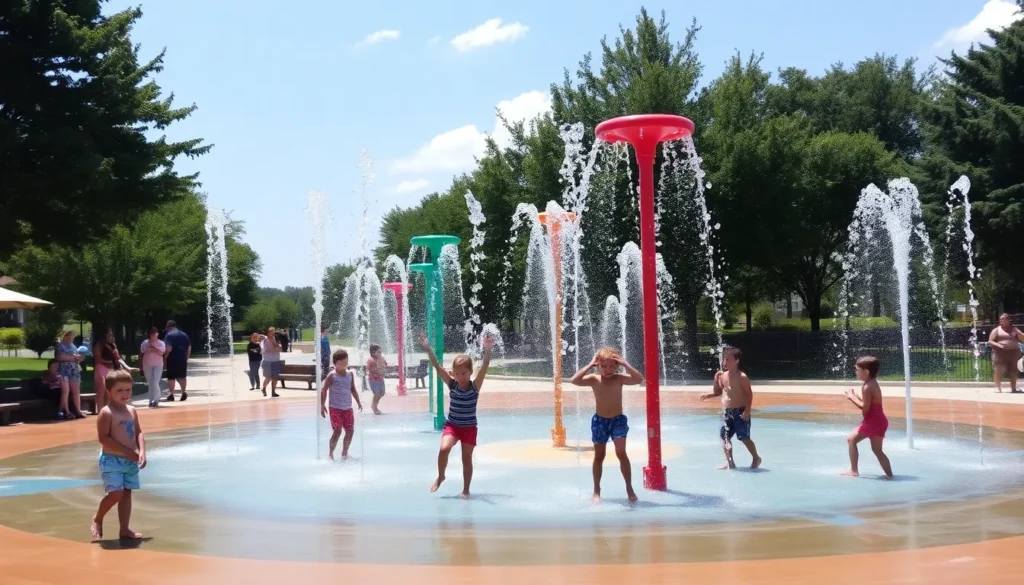
A splash pad is an outdoor recreational facility designed to provide water-based play without the presence of standing water. Unlike traditional swimming pools, splash pads feature a flat, non-slip surface equipped with various water outlets such as fountains, jets, and sprays that activate intermittently or continuously. These water features are intended to offer interactive and safe water play experiences, especially for children.
Detailed Explanation
Splash pads, also known as spray pads or splash parks, are engineered to be low-maintenance and environmentally friendly alternatives to pools. They eliminate risks associated with standing water, such as drowning or waterborne diseases, making them accessible to a wider range of users. Typically constructed from durable materials like concrete or rubberized surfaces, splash pads incorporate water recirculation and filtration systems to conserve water and ensure hygiene. The water features vary in design and complexity, ranging from simple ground sprays to elaborate themed fixtures.
How It Works
The core functionality of a splash pad relies on a controlled water delivery system. Water is pumped through underground pipes to nozzles or jets strategically installed on or near the surface. Sensors or timers typically control the activation cycles, turning water features on and off to create dynamic play environments. Many splash pads use filtration systems similar to those found in swimming pools to remove debris and maintain water quality. Water is often recycled to reduce consumption, with some systems including chemical treatment for sanitation. The absence of standing water surfaces means that water drains immediately after use, enhancing safety and maintenance.
Examples
- Public Parks: Many municipal parks incorporate splash pads as part of playground facilities to provide family-friendly water play during warm weather.
- Community Centers: Splash pads are installed in community recreation areas to offer accessible water play for children and adults with diverse abilities.
- Commercial Settings: Some amusement parks, resorts, and hotels use splash pads as water attractions due to their safety and low maintenance.
Pros and Cons
Pros: Splash pads provide safe water play without drowning risk, are accessible to children of all ages and abilities, require less maintenance than pools, conserve water through recirculation, and promote social interaction in public spaces.
Cons: They may have limited appeal for older children or adults seeking swimming activities, can be costly to install and maintain filtration systems, and require supervision to prevent misuse or over-crowding.
Comparison Table
| Aspect | Splash Pad | Swimming Pool |
|---|---|---|
| Meaning | A water play area with no standing water, using sprays and jets. | A water-filled basin designed for swimming and aquatic activities. |
| Safety | Lower risk of drowning due to no standing water. | Higher drowning risk, requires lifeguards and supervision. |
| Maintenance | Lower maintenance; filtration and water recycling needed. | Higher maintenance; chemical treatment, cleaning, and monitoring. |
| Age Suitability | Primarily for children and families. | Suitable for all ages, including competitive swimmers. |
| Water Usage | Uses recirculated water, generally more water-efficient. | Consumes more water due to evaporation and refilling. |
Decision Checklist
- Use this if: You want a safe, low-maintenance water play area for young children or community parks.
- Avoid this if: You require facilities for swimming, diving, or aquatic sports.
- Check this first: Local regulations on water play facilities and availability of water recycling systems.
What is the easiest way to understand a Splash Pad?
The easiest way to understand a splash pad is to think of it as a playground that uses water sprays and jets instead of traditional play equipment, providing interactive, wet fun without the dangers and maintenance needs of a swimming pool.
FAQ
Is a splash pad safe for toddlers?
Yes, splash pads are generally safe for toddlers because they do not contain standing water, reducing drowning risk. However, adult supervision is still recommended.
Do splash pads use a lot of water?
Splash pads typically use recirculated and filtered water, making them more water-efficient than traditional pools, although overall consumption varies by design and usage.
Can splash pads be used year-round?
Splash pad usage depends on climate and maintenance; in colder regions, they are often seasonal, operating during warmer months only.






Leave a Reply