
Short Answer
Overview
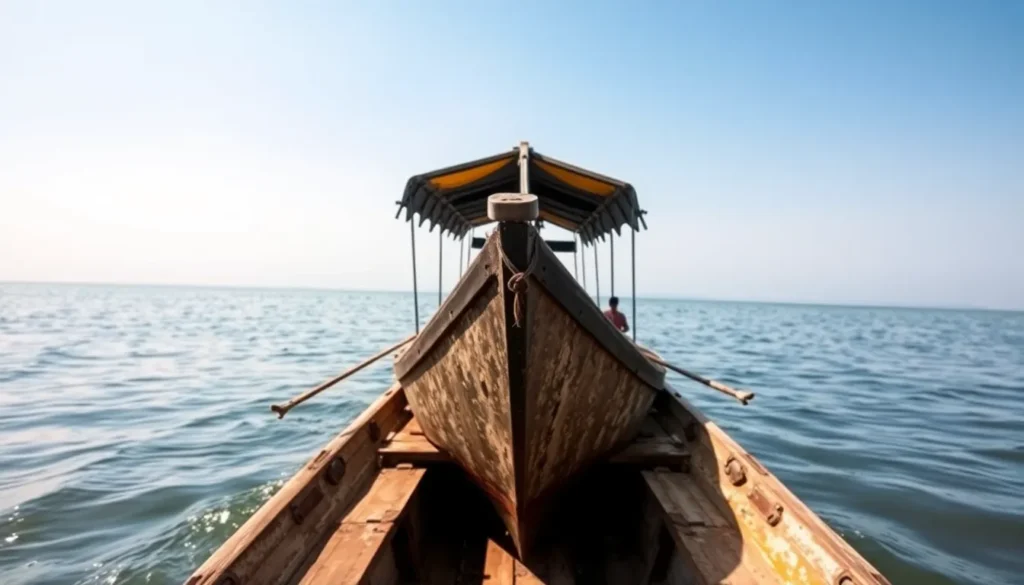
A panga boat is a type of small fishing vessel originally developed in Mexico during the 1950s. It is recognized for its distinctive design featuring a narrow, flat-bottomed hull combined with a high bow. The design provides stability in rough coastal waters and allows for efficient operation in shallow areas. Pangas are widely used in Central America, South America, Africa, and parts of Asia for fishing, transport, and other marine activities.
Detailed Explanation
The panga boat’s hull is typically constructed from fiberglass or wood, designed to be lightweight yet durable. Its narrow beam and flat bottom facilitate maneuverability and shallow draft, enabling access to coastal and inland waters that larger vessels cannot reach. The high bow helps reduce water spray and improves seaworthiness in choppy conditions. Traditional pangas range from approximately 16 to 28 feet in length, though variations exist depending on regional needs and manufacturing methods.
How It Works
Panga boats are usually powered by outboard motors, which provide the necessary propulsion for fishing and transport activities. Their design allows for efficient fuel consumption and easy maintenance. The flat bottom ensures stability at rest and while moving slowly, which is crucial for fishing operations. The high bow deflects waves, improving safety and comfort for operators. Due to their simple construction and low cost, pangas are accessible to small-scale fishermen and communities relying on water transport.
Examples
- Mexico: The origin of the panga boat, used extensively by artisanal fishermen along the Pacific and Gulf coasts.
- Kenya: Local fishermen employ pangas for nearshore fishing, benefiting from their shallow draft and durability.
- Philippines: Adapted variants of pangas are used in coastal communities for fishing and inter-island transport.
Pros and Cons
- Pros: Lightweight and easy to maneuver, cost-effective, suitable for shallow waters, stable in rough conditions, easy to maintain.
- Cons: Limited cargo and passenger capacity, less suitable for very rough open seas, basic comfort and safety features.
Comparison Table
| Aspect | Panga Boat | Alternative/Related Topic |
|---|---|---|
| Meaning | Small, lightweight fishing vessel with a flat bottom and high bow | Skiff: A small, open boat with a shallow draft, often used for inshore fishing |
| Typical Length | 16 to 28 feet | Dinghy: Usually smaller, 8 to 15 feet |
| Hull Material | Fiberglass or wood | Jon Boat: Usually aluminum with flat bottom |
| Primary Use | Fishing and light transport in coastal and shallow waters | Kayak: Small watercraft mainly for recreation or sport |
Decision Checklist
- Use this if you need a cost-effective, stable boat for fishing or transportation in coastal or shallow waters.
- Avoid this if you require a vessel for open ocean travel or heavy cargo transport.
- Check this first for your specific water conditions and local regulations regarding boat types and usage.
What is the easiest way to understand a panga boat?
The simplest way to understand a panga boat is to view it as a functional, no-frills fishing boat designed for small-scale fishermen operating in shallow, coastal, or riverine environments. Its design emphasizes stability, ease of use, and adaptability rather than luxury or heavy-duty performance.
FAQ
What is the typical size of a panga boat?
Panga boats typically range from 16 to 28 feet in length, though sizes may vary depending on regional design adaptations.
What materials are panga boats made from?
They are commonly built from fiberglass or wood, with fiberglass being preferred for durability and ease of maintenance.
Are panga boats suitable for open ocean travel?
Pangas are primarily designed for coastal and shallow water use; while they can handle some choppy conditions, they are generally not recommended for extended open ocean voyages.






Leave a Reply