
Short Answer
Overview
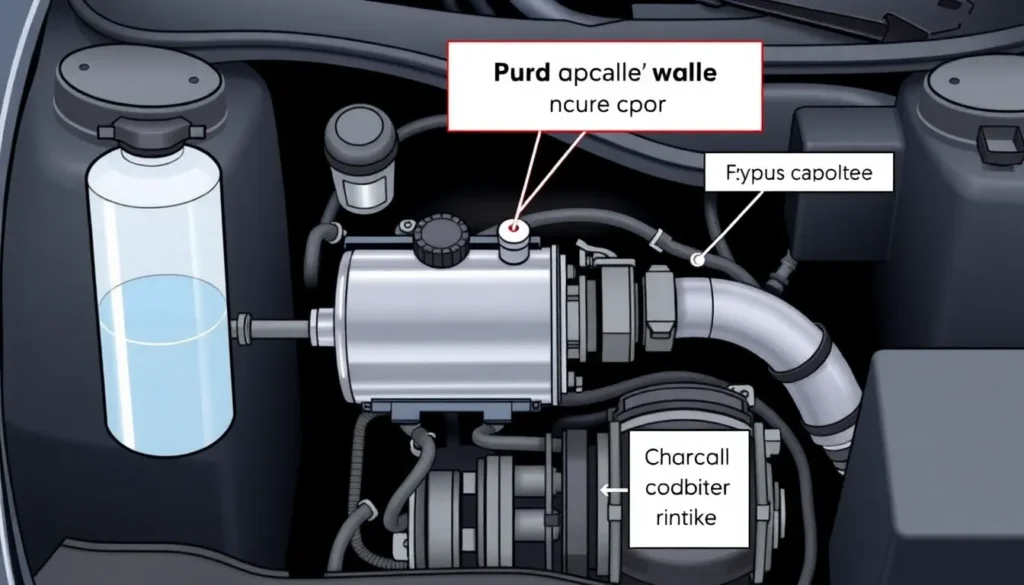
A purge valve is an essential component in a vehicle’s evaporative emission control system (EVAP). Its primary role is to manage the release of fuel vapors stored in the charcoal canister and direct them into the engine’s intake manifold for combustion. This process helps reduce the release of volatile organic compounds (VOCs) into the atmosphere, contributing to cleaner air and adherence to environmental regulations.
Detailed Explanation
The purge valve operates within the EVAP system, which captures fuel vapors generated in the fuel tank and prevents them from escaping into the environment. When the engine is running under specific conditions, the vehicle’s engine control unit (ECU) activates the purge valve, allowing these stored vapors to be drawn into the intake manifold and burned during combustion. This reduces hydrocarbon emissions and improves fuel efficiency.
How It Works
The purge valve is typically an electrically controlled solenoid valve. When the vehicle’s ECU determines that conditions are ideal—such as when the engine is warm and running at steady speeds—it energizes the solenoid, opening the valve. This opening permits fuel vapors from the charcoal canister to flow into the intake manifold. When the valve is closed, it prevents vapors from entering the engine, thus controlling the timing and volume of vapor purging. The valve’s operation is often monitored by onboard diagnostic systems to detect leaks or malfunctions.
Examples
- In many modern gasoline-powered vehicles, the purge valve is integrated into the EVAP system to meet emissions standards set by regulatory bodies such as the Environmental Protection Agency (EPA).
- Diesel engines may also use similar valves, though the specific implementation and emissions control requirements differ.
- Failing purge valves can cause symptoms such as rough idling, increased emissions, or triggering of the check engine light, necessitating diagnostic evaluation and potential replacement.
Why It Matters
The purge valve is crucial for maintaining vehicle emissions compliance and environmental protection. By controlling the release of fuel vapors, it minimizes air pollution and supports the efficient operation of the engine. Malfunctions in the purge valve can lead to increased emissions, reduced fuel economy, and potential damage to other engine components.
Common Misconceptions
Misconception: The purge valve controls fuel flow to the engine.
Correction: The purge valve controls the flow of fuel vapors from the charcoal canister to the intake manifold, not liquid fuel delivery.
Misconception: A purge valve is only important for emissions testing.
Correction: While it plays a role in emissions compliance, the purge valve also affects engine performance and fuel efficiency.
Pros and Cons
Pros: Helps reduce harmful emissions, improves fuel efficiency, supports regulatory compliance, and aids in engine performance.
Cons: Can malfunction or clog over time, potentially causing engine performance issues and requiring maintenance or replacement.
Comparison Table
| Aspect | Purge Valve | Fuel Injector |
|---|---|---|
| Meaning | Controls flow of fuel vapors from EVAP system to intake manifold. | Delivers liquid fuel directly into the engine combustion chamber. |
| Function | Regulates vapor purge timing to reduce emissions. | Controls precise fuel delivery for combustion. |
| Operation | Solenoid valve controlled by ECU based on engine conditions. | Electromechanical device activated by ECU for fuel injection. |
| Impact on Engine | Indirectly affects fuel combustion and emissions. | Directly influences engine power and efficiency. |
Decision Checklist
What is the easiest way to understand a Purge Valve?
Think of the purge valve as a gatekeeper that opens to allow fuel vapors collected from the fuel tank to enter the engine and be burned, thereby preventing these vapors from escaping into the atmosphere. It operates only when conditions are right to optimize emissions control and engine performance.
FAQ
What happens if a purge valve fails?
If a purge valve fails, it may cause rough engine idle, increased emissions, poor fuel economy, or trigger the check engine light due to improper vapor management.
Can a clogged purge valve be cleaned?
In some cases, a clogged purge valve can be cleaned, but often replacement is recommended to ensure proper function and avoid further issues.
Is the purge valve the same as the fuel injector?
No, the purge valve controls the flow of fuel vapors from the EVAP system to the engine, while the fuel injector delivers liquid fuel directly into the combustion chamber.



Leave a Reply