
Short Answer
Overview
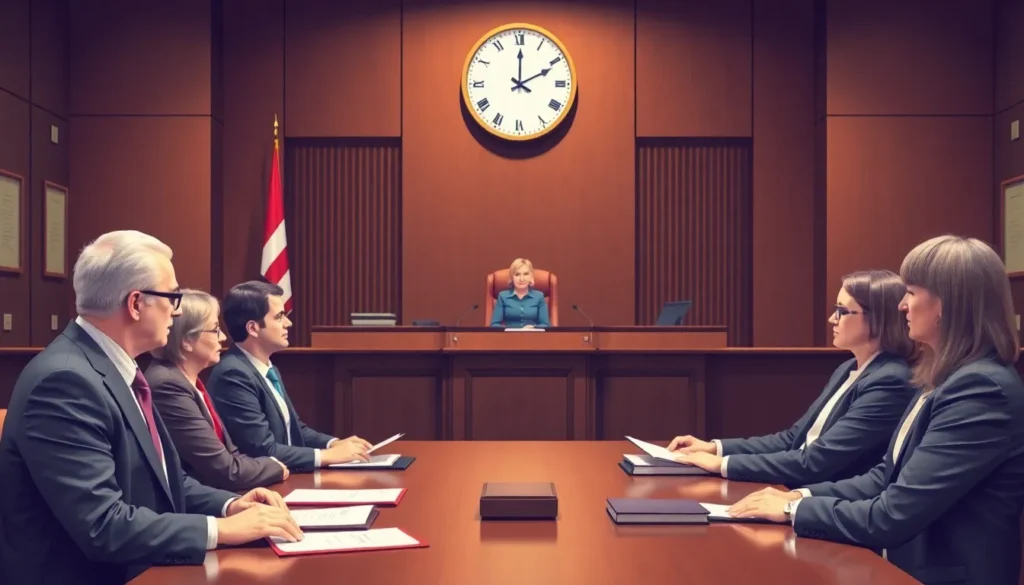
A status conference is a formal meeting scheduled by a court during the course of a legal case. Its primary purpose is to review the current status of the case, manage procedural issues, and establish timelines for future events such as discovery, motions, or trial dates. These conferences allow judges to monitor case progress, encourage settlement discussions, and ensure that all parties comply with procedural requirements.
Detailed Explanation
Status conferences typically occur at various stages of civil or criminal litigation. They provide a structured opportunity for the parties involved—such as plaintiffs, defendants, and their attorneys—to report on their progress in gathering evidence, filing motions, or negotiating settlements. The judge may use the conference to resolve minor procedural disputes, adjust schedules, or remind parties of their obligations.
The format and frequency of status conferences vary depending on jurisdiction, court rules, and the complexity of the case. Some courts schedule multiple status conferences to maintain ongoing oversight, while others hold them only when necessary. These conferences are usually brief and may take place in the judge’s chambers or a courtroom.
How It Works
Prior to a status conference, parties are typically required to file a joint status report or individual statements outlining the current case status, completed tasks, and any pending issues. During the conference, the judge reviews these reports and may ask questions or issue orders to clarify timelines or resolve disputes.
Key activities during a status conference include:
- Setting or modifying deadlines for discovery or motions
- Discussing the possibility of settlement or alternative dispute resolution
- Addressing procedural matters such as joinder of parties or amendments to pleadings
- Scheduling future hearings or the trial date
The judge’s goal is to facilitate efficient case management and reduce delays, which helps conserve judicial resources and promotes fair resolution.
Examples
- Civil Litigation: In a civil lawsuit involving a contract dispute, a status conference might be held after initial pleadings to set deadlines for depositions and document exchange.
- Criminal Cases: A status conference in a criminal case may occur to determine whether the defense and prosecution are ready to proceed to trial or if plea negotiations are ongoing.
- Family Law: In custody or divorce proceedings, status conferences can help ensure that required evaluations or mediation sessions are completed on schedule.
Pros and Cons
Pros:
- Enhances case management by promoting adherence to timelines.
- Provides a forum for resolving preliminary issues without full hearings.
- Encourages communication between parties and the court.
- Helps identify cases suitable for settlement or alternative resolution early.
Cons:
- May add to procedural delays if overused or not efficiently conducted.
- Can increase costs for parties due to additional court appearances.
- Sometimes seen as redundant if parties are already cooperating effectively.
Comparison Table
| Aspect | Status Conference | Pretrial Conference |
|---|---|---|
| Meaning | A procedural meeting to assess case progress and manage procedural matters. | A more formal meeting focused on finalizing trial preparations and resolving outstanding issues prior to trial. |
| Timing | Occurs periodically throughout the case. | Usually held shortly before the trial date. |
| Purpose | Case management and scheduling. | Trial readiness and issue narrowing. |
Decision Checklist
- Use this if you need to update the court on case progress or seek procedural orders.
- Avoid this if your case is not yet at a stage requiring formal oversight or if informal communication is sufficient.
- Check this first with your attorney or court rules to understand requirements and deadlines for status conferences.
What is the easiest way to understand Status Conferences?
Think of a status conference as a routine check-in between the court and parties to ensure the case is moving forward efficiently and that everyone is on the same page regarding what needs to be done before trial or resolution.
FAQ
What is the main purpose of a status conference?
The main purpose is to allow the court to monitor the progress of a case, address procedural issues, and set or modify deadlines to ensure efficient case management.
Are status conferences mandatory?
Whether a status conference is mandatory depends on the jurisdiction and the specific case. Some courts require them by rule, while others schedule them at the judge's discretion.
Do parties present evidence at a status conference?
No, status conferences are not for presenting evidence or making final rulings on the merits of the case; they focus on procedural and scheduling matters.




Leave a Reply