
Short Answer
Overview
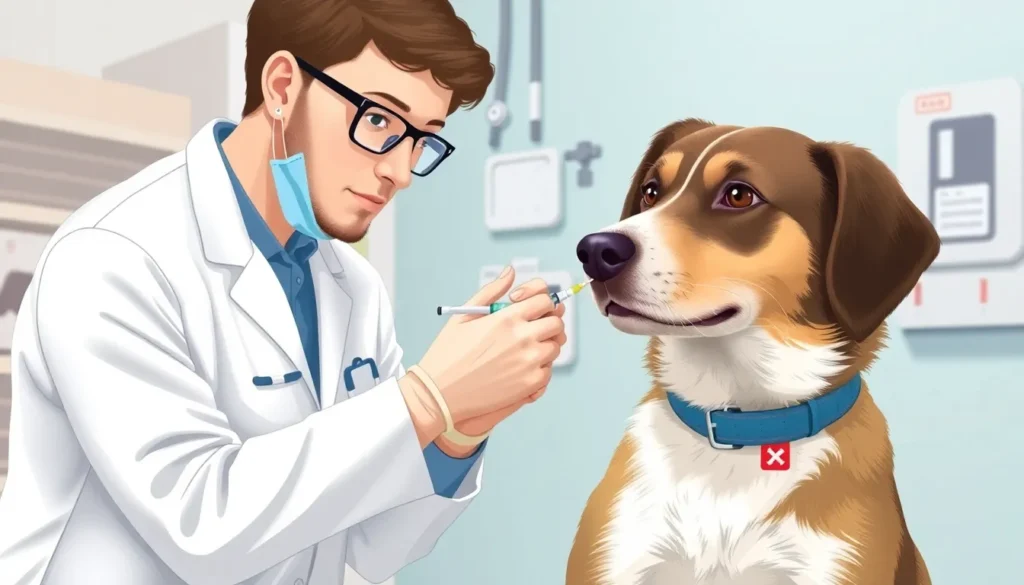
A distemper shot for dogs is a vaccine administered to prevent canine distemper, a contagious and often fatal viral disease affecting dogs and other carnivores. The vaccine is a key element of canine preventive healthcare, aiming to induce immunity against the canine distemper virus (CDV). This virus primarily targets the respiratory, gastrointestinal, and nervous systems, causing a range of symptoms from mild respiratory issues to severe neurological problems.
Detailed Explanation
Canine distemper is caused by a paramyxovirus closely related to the human measles virus. Infection can result in symptoms such as coughing, nasal discharge, fever, lethargy, vomiting, diarrhea, and in advanced cases, seizures and paralysis. The distemper shot contains either modified live virus (MLV) or recombinant viral components that stimulate the dog’s immune system without causing the disease itself. Vaccination schedules typically start at 6 to 8 weeks of age with a series of booster shots, followed by periodic revaccination throughout the dog’s life.
How It Works
The distemper vaccine works by introducing antigens derived from the canine distemper virus into the dog’s body. These antigens trigger the immune system to produce antibodies and memory cells specific to the virus. If the vaccinated dog is later exposed to the live distemper virus, its immune system can recognize and combat the infection effectively, preventing illness or reducing its severity. Immunity develops within 1 to 2 weeks following vaccination and can last several years depending on the vaccine type and individual response.
Examples
- A puppy receives a series of distemper shots starting at 6 weeks old, with boosters every 3 to 4 weeks until 16 weeks of age, to ensure full immunity.
- An adult dog receives a distemper booster every 1 to 3 years to maintain protective immunity.
- In shelters or high-risk environments, distemper vaccination is prioritized to prevent outbreaks among vulnerable canine populations.
Common Misconceptions
Misconception: “Distemper shots are only necessary for puppies.”
Correction: Adult dogs require periodic booster vaccinations to maintain immunity against distemper throughout their lives.
Misconception: “Vaccination can cause distemper disease.”
Correction: The vaccine contains attenuated or non-infectious components and cannot cause the disease in healthy dogs.
Pros and Cons
Comparison Table
| Aspect | Distemper Shot | Alternative/Related Topic: Rabies Shot |
|---|---|---|
| Meaning | Vaccine to protect dogs from canine distemper virus. | Vaccine to protect dogs from rabies virus, a fatal zoonotic disease. |
| Purpose | Prevent respiratory, gastrointestinal, and neurological disease caused by distemper virus. | Prevent rabies, which affects the nervous system and can be transmitted to humans. |
| Vaccination Schedule | Initial series in puppies with boosters every 1-3 years. | Typically given annually or triennially depending on regional regulations. |
| Vaccine Type | Modified live virus or recombinant vaccine. | Inactivated (killed) virus vaccine. |
Decision Checklist
- Use this if you want to protect your dog from canine distemper, especially in areas where the disease is present.
- Avoid this if your dog has had a severe allergic reaction to a previous distemper vaccine (consult a veterinarian).
- Check this first with your veterinarian to establish an appropriate vaccination schedule based on your dog’s age, health, and lifestyle.
What is the easiest way to understand a Distemper Shot for Dogs?
Think of the distemper shot as a training session for your dog’s immune system, teaching it how to recognize and fight a dangerous virus before the dog ever encounters it in real life.
FAQ
What is a distemper shot for dogs?
It is a vaccine that protects dogs from canine distemper virus, which can cause severe respiratory, gastrointestinal, and neurological disease.
When should a dog receive a distemper vaccine?
Puppies typically begin vaccination at 6 to 8 weeks of age, with booster shots every 3 to 4 weeks until about 16 weeks old, followed by periodic boosters throughout life.
Can the distemper vaccine cause the disease?
No, the vaccine contains weakened or non-infectious components that cannot cause distemper in healthy dogs.




Leave a Reply