
Short Answer
Overview
A G pipe refers to a specific category of pipe used in various plumbing, mechanical, and industrial applications. The term ‘G pipe’ can denote pipes that conform to certain standards or feature unique threading, dimensions, or materials. These pipes are designed to facilitate the flow of fluids or gases and are integrated into systems requiring reliable and standardized piping solutions.
Detailed Explanation
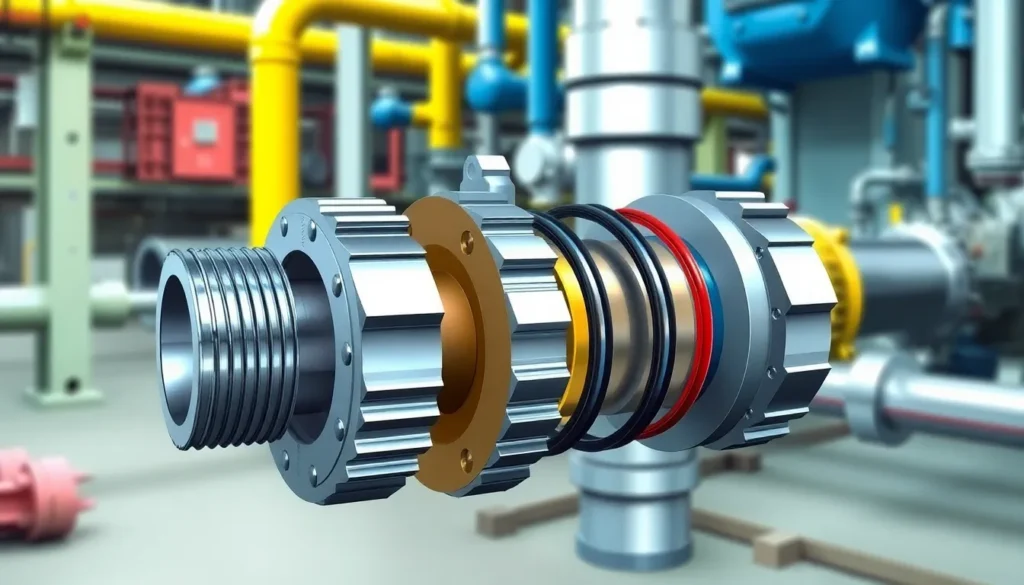
G pipes often relate to a designation in pipe threading or classification, such as British Standard Pipe (BSP) threads where ‘G’ indicates a parallel (straight) thread type. This differentiates them from tapered threads, which are also used in piping systems. The G pipe’s parallel thread allows for a tight seal when used with appropriate sealing methods like O-rings or washers, making them suitable for applications requiring leak-proof connections without thread deformation.
How It Works
G pipes function by providing a mechanically secure and pressure-resistant connection through their parallel threaded ends. When installed, the mating components align their threads without tapering, and sealing is achieved through additional sealing elements rather than thread interference. This design facilitates easier disassembly and reassembly, often necessary in maintenance or system modifications.
Examples
- Plumbing systems where G pipes are used for water supply lines featuring BSP parallel threads.
- Industrial gas piping utilizing G pipes for consistent sealing under pressure.
- Hydraulic systems employing G pipes to connect various components with reliable sealing mechanisms.
Why It Matters
The importance of G pipes lies in their standardized design that ensures compatibility across fittings and components, reducing the risk of leaks and failures. Their use supports system efficiency, safety, and ease of maintenance, which are critical factors in both residential plumbing and industrial operations.
Common Misconceptions
Misconception: G pipes have tapered threads like all other BSP pipes.
Correction: G pipes specifically have parallel (straight) threads, unlike BSP tapered threads which have a different sealing mechanism.
Misconception: G pipes can be sealed solely by tightening threads.
Correction: G pipes require separate sealing elements such as O-rings or washers since the threads themselves do not provide the seal.
Pros and Cons
Pros: Standardized threading allows compatibility, easier assembly/disassembly, reliable sealing with proper seals, and reduced thread wear.
Cons: Requires additional sealing components, may not be suitable for all high-pressure applications without proper sealing elements, and less forgiving in improper installation compared to tapered threads.
Comparison Table
| Aspect | G Pipe | Alternative/Related Topic |
|---|---|---|
| Meaning | Pipe with parallel (straight) BSP threads | BSP Tapered Threads (R Pipe) |
| Sealing Method | Uses O-rings or washers | Thread interference and sealant |
| Thread Type | Parallel (straight) | Tapered |
| Ease of Disassembly | High | Lower |
Decision Checklist
What is the easiest way to understand G Pipe?
The easiest way to understand a G pipe is to think of it as a pipe with straight threads that require additional sealing methods beyond just thread tightness. Unlike tapered pipes that seal by thread compression, G pipes rely on external seals, making them ideal for applications where repeated connection and disconnection without thread damage is necessary.
FAQ
What does the 'G' in G pipe stand for?
The 'G' designation refers to the type of parallel threading standard used in the pipe, commonly associated with BSP (British Standard Pipe) thread standards.
Can G pipes be used without sealing elements?
No, G pipes use parallel threads that require additional sealing elements such as O-rings or washers to prevent leaks, as the threads themselves do not form a pressure-tight seal.
How do G pipes differ from tapered pipe threads?
G pipes have parallel (straight) threads and rely on external seals, whereas tapered threads decrease in diameter and create a seal through thread interference and compression.





Leave a Reply