
Short Answer
Overview
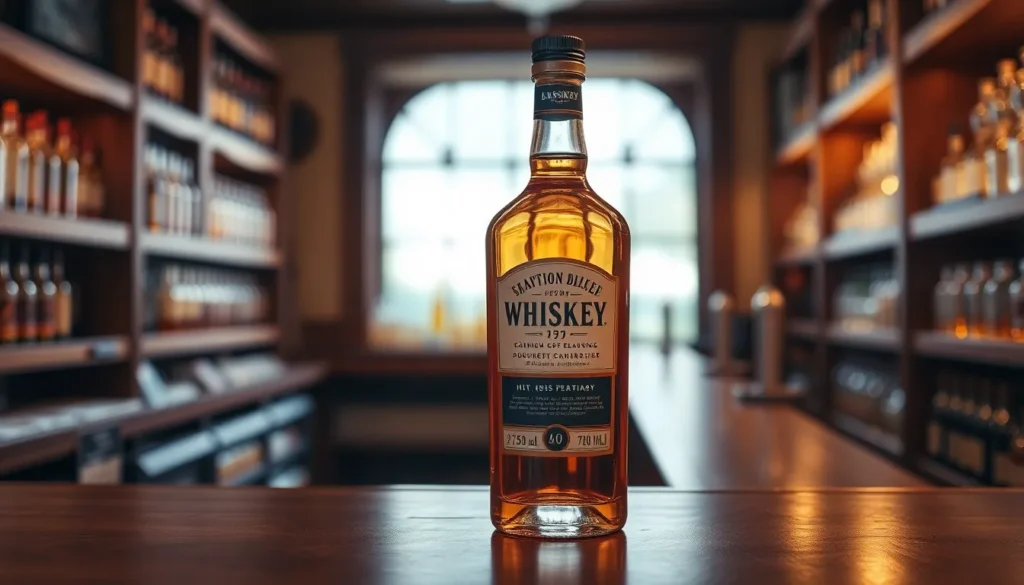
A “fifth of booze” is a colloquial term used primarily in the United States to describe a bottle of distilled alcoholic beverage that contains one-fifth of a U.S. gallon in volume. This size has become a standard for spirits such as whiskey, vodka, rum, and gin. Although the term originated from the fractional volume measurement, modern packaging has largely standardized this size to 750 milliliters (mL), aligning with international metric standards.
Detailed Explanation
The term “fifth” specifically refers to one-fifth of a U.S. liquid gallon, which equates to 25.6 fluid ounces or approximately 757 milliliters. Historically, bottles of distilled spirits were sold in this size, making it a convenient and recognizable volume for consumers. With the adoption of the metric system in the beverage industry, 750 mL bottles became the norm, slightly smaller than the original fifth but close enough to retain the name informally.
The 750 mL bottle is now the most common size for spirits worldwide, including the United States, despite the name “fifth” being a holdover from earlier measurement systems. The use of this volume facilitates international trade and standardization across countries that primarily use metric measurements.
How It Works
The concept of a fifth of booze functions as a volume standard for purchasing and selling distilled spirits. When consumers buy a “fifth,” they are typically acquiring a bottle that contains 750 mL of alcohol. This size is convenient for retail distribution, home use, and bar service, balancing quantity and portability.
The term is often used colloquially to describe a bottle of liquor, especially in contexts where traditional U.S. measurements are still referenced. It serves as a shorthand for the typical size of a spirit bottle, even though the actual volume is slightly less than the original one-fifth of a gallon.
Examples
- A 750 mL bottle of whiskey labeled as a “fifth” in the United States.
- A 750 mL bottle of vodka commonly sold in liquor stores, often referred to as a fifth.
- A 750 mL bottle of rum in bars and retail outlets, frequently called a fifth in informal conversation.
Why It Matters
Understanding what a fifth of booze is important for consumers, retailers, and regulators within the alcohol industry. It provides a standardized measure for purchasing, taxation, and consumption. The term also reflects historical measurement practices and how they have evolved with the adoption of the metric system. For consumers, knowing the volume associated with a fifth helps manage expectations about quantity and pricing when buying spirits.
Common Misconceptions
Misconception: A fifth is exactly one-fifth of a gallon.
Correction: Historically, a fifth was one-fifth of a U.S. gallon (approximately 757 mL), but modern fifths are standardized to 750 mL, slightly less than the original volume.
Misconception: The term “fifth” applies only to whiskey bottles.
Correction: The term can refer to any distilled spirit bottle of the standard 750 mL size, including vodka, rum, gin, and others.
Pros and Cons
Comparison Table
| Aspect | Fifth of Booze | Alternative Bottle Size (Liter) |
|---|---|---|
| Meaning | Approximately 750 mL bottle of distilled spirits, originally one-fifth of a gallon | 1 Liter bottle, larger volume than a fifth, common in some markets |
| Volume | 750 mL (approximately 25.4 US fl oz) | 1000 mL (33.8 US fl oz) |
| Usage | Standard size for most distilled spirits in the U.S. and internationally | Used for larger format bottles, less common for everyday purchase |
Decision Checklist
- Use this if: You want a standard, easily recognizable bottle size for spirits.
- Avoid this if: You need larger quantities or collectible bottle sizes.
- Check this first: The actual volume on the bottle label, especially when purchasing outside the U.S.
What is the easiest way to understand a Fifth of Booze?
The easiest way to understand a fifth of booze is to think of it as the standard size bottle of distilled spirits commonly found in liquor stores, containing roughly three-quarters of a liter or 750 milliliters. Though the name derives from an older, imperial measurement (one-fifth of a gallon), the modern fifth is a metric-sized bottle used internationally.
FAQ
Why is a fifth of booze called a 'fifth'?
The term originates from the bottle size being one-fifth of a U.S. liquid gallon, approximately 757 milliliters. Although modern bottles are standardized to 750 milliliters, the name 'fifth' remains in use.
Is a fifth the same in every country?
No. The 'fifth' specifically refers to a U.S. customary volume measure. Other countries use metric sizes like 700 mL or 750 mL, but the 750 mL bottle is common internationally.
Are all liquor bottles labeled as fifths?
Not all bottles are labeled as 'fifths.' The term is informal and primarily used in the United States. Bottles are typically labeled by their metric volume (e.g., 750 mL).





Leave a Reply