
Short Answer
Overview
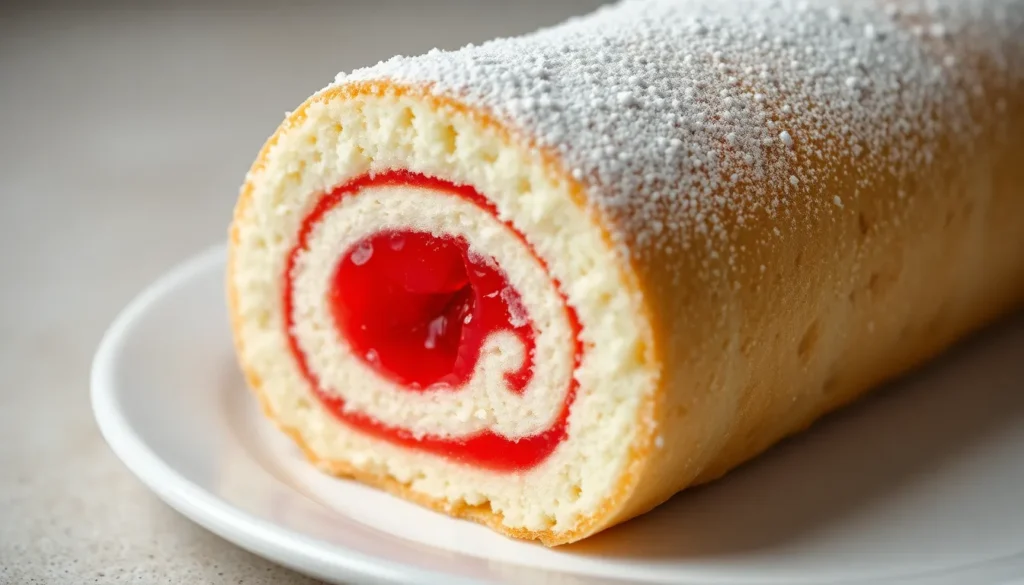
A jelly roll is a dessert consisting of a thin layer of sponge cake that is spread with jelly, jam, or other sweet fillings and then rolled into a log shape. This rolled cake is typically sliced into individual pieces for serving. The jelly roll is known for its light, airy texture and the contrast between the soft cake and the flavorful filling. It is a popular treat in various cuisines and often enjoyed as a simple yet elegant dessert.
Detailed Explanation
The jelly roll originated from European baking traditions and is sometimes referred to as a Swiss roll, although regional variations exist. The sponge cake used in jelly rolls is typically made from eggs, sugar, flour, and sometimes leavening agents. The batter is spread thinly on a baking sheet and baked quickly to retain its pliability, which allows it to be rolled without cracking. Once cooled slightly, the cake is spread with a layer of jelly or jam before being carefully rolled into a spiral.
How It Works
The preparation of a jelly roll involves several key steps. First, the sponge cake batter is prepared and baked in a shallow pan to create a thin, flexible cake layer. While still warm, the cake is often rolled up in a clean kitchen towel dusted with powdered sugar to set its shape and prevent cracking. After cooling, the cake is unrolled, spread evenly with jelly or jam, and then rolled back up. The jelly acts as a moistening agent and flavor enhancer, complementing the soft texture of the cake. The rolled cake is then chilled or served immediately.
Examples
- Classic Strawberry Jelly Roll: Sponge cake filled with strawberry jam and dusted with powdered sugar.
- Chocolate Jelly Roll: Chocolate-flavored sponge cake filled with raspberry jelly or chocolate ganache.
- Lemon Curd Jelly Roll: Sponge cake filled with tart lemon curd for a citrusy flavor.
Why It Matters
The jelly roll is significant in baking because it showcases the skill of creating a delicate, flexible sponge cake that can be rolled without breaking. It also offers a versatile base for various flavor combinations, making it a popular choice for home bakers and professional pastry chefs alike. Additionally, the jelly roll is an accessible entry point to more complex rolled cakes and pastries.
Common Misconceptions
Misconception: A jelly roll and a Swiss roll are completely different desserts.
Correction: The terms jelly roll and Swiss roll are often used interchangeably, although some variations in filling and preparation exist depending on the region.
Misconception: Jelly rolls are always filled with jelly only.
Correction: While traditionally filled with jelly or jam, jelly rolls can also contain other fillings such as cream, custard, or lemon curd.
Pros and Cons
Pros: Jelly rolls are relatively simple to make, require few ingredients, and can be adapted with a variety of fillings. They have a light texture and are visually appealing when sliced.
Cons: The sponge cake can be delicate and prone to cracking if not handled properly. Rolling the cake while warm can be challenging for inexperienced bakers.
Comparison Table
| Aspect | Jelly Roll | Swiss Roll |
|---|---|---|
| Meaning | Thin sponge cake rolled with jelly or jam filling | Rolled sponge cake, often with various fillings including cream or jam |
| Typical Filling | Jelly or jam | Jam, cream, or other sweet fillings |
| Texture | Light and flexible sponge cake | Generally similar light sponge cake |
Decision Checklist
What is the easiest way to understand Jelly Roll?
The easiest way to understand a jelly roll is to imagine a thin, soft cake that is spread with a sweet jelly or jam and then carefully rolled into a spiral shape. It is similar to a rolled-up sandwich but made with cake and fruit preserves, creating a visually appealing and flavorful dessert.
FAQ
What is the difference between a jelly roll and a Swiss roll?
The terms jelly roll and Swiss roll are often used interchangeably. However, a jelly roll specifically refers to a sponge cake roll filled with jelly or jam, while a Swiss roll may have a wider variety of fillings including cream and custard.
How do you prevent a jelly roll from cracking when rolled?
To prevent cracking, the sponge cake should be baked evenly and rolled while still warm, often using a kitchen towel dusted with powdered sugar to help maintain flexibility.
Can jelly rolls be made with fillings other than jelly?
Yes, although traditionally filled with jelly or jam, jelly rolls can also be made with cream, custard, lemon curd, or other sweet fillings depending on preference.





Leave a Reply