
Short Answer
Overview
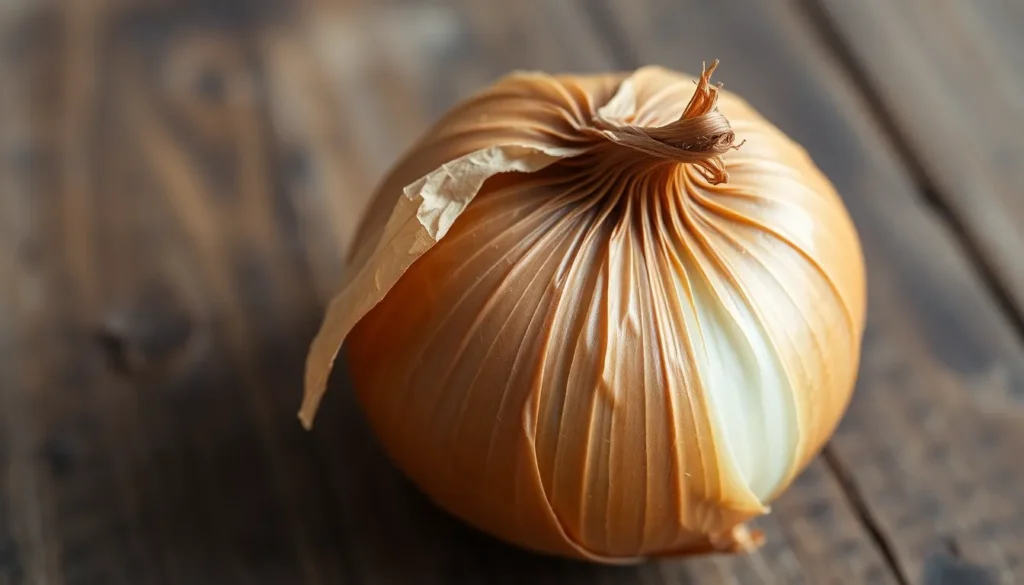
A brown onion, also known as a yellow onion in some regions, is a type of onion (Allium cepa) distinguished by its brown to yellow papery outer skin and white to pale yellow flesh. It is one of the most commonly used onion varieties worldwide, favored for its robust flavor that becomes sweeter when cooked. Brown onions are a staple ingredient in many cuisines and are valued for their versatility in both raw and cooked dishes.
Detailed Explanation
Brown onions typically have a strong, pungent flavor when raw, which mellows and sweetens significantly upon cooking. The outer skin can range from light brown to a more golden-yellow hue, while the interior layers are crisp and firm. These onions are usually medium to large in size and have a slightly flattened shape.
They are cultivated globally and are adaptable to a variety of climates, making them widely available in grocery stores. Brown onions contain sulfur compounds that contribute to their characteristic aroma and taste, as well as health benefits such as antioxidant properties.

How It Works
The pungency and flavor of brown onions derive from sulfur-containing compounds formed when the onion’s cells are damaged, such as during chopping. These compounds are volatile and can cause eye irritation. Cooking breaks down these compounds, resulting in a sweeter, milder taste. Brown onions can be prepared in numerous ways including sautéing, caramelizing, roasting, or used raw in salads and sandwiches.
Examples
- Caramelized Brown Onions: Slowly cooked brown onions develop a deep sweetness and are used as toppings for burgers, pizzas, or incorporated into sauces.
- French Onion Soup: A classic dish relying heavily on the rich flavor of caramelized brown onions.
- Raw Brown Onions in Salads: When thinly sliced, they add a sharp bite and crunch to fresh salads.
Pros and Cons
Pros:
- Widely available and affordable
- Strong flavor that enhances many dishes
- Versatile in both raw and cooked forms
- Contains nutrients and antioxidants
Cons:
- Strong pungency can cause eye irritation when cutting
- Not preferred raw by those sensitive to sharp flavors
- Can spoil relatively quickly if not stored properly
Comparison Table
| Aspect | Brown Onion | Red Onion |
|---|---|---|
| Meaning | A common onion variety with brown-yellow skin and strong flavor | Onion variety with purplish-red skin and milder, sometimes sweeter flavor |
| Flavor | Pungent raw, sweet when cooked | Milder and sweeter raw, less pungent |
| Best Use | Cooking, caramelizing, soups, stews | Raw in salads, sandwiches, grilling |
| Storage | Store in cool, dry place; lasts several weeks | Similar storage, but may spoil faster |
Decision Checklist
- Use this if: You need an onion with a robust flavor for cooking or caramelizing.
- Avoid this if: You prefer a milder onion for raw consumption or are sensitive to strong flavors.
- Check this first: Ensure the onion is firm with dry outer skin and no signs of sprouting or mold.
What is the easiest way to understand Brown Onion?
The easiest way to understand a brown onion is to recognize it as the common cooking onion with brownish-yellow outer skin and a strong, pungent taste that softens and sweetens when cooked. It is a kitchen staple used worldwide for adding depth and flavor to a wide array of dishes.
FAQ
What distinguishes a brown onion from other onion types?
Brown onions are characterized by their brown to yellow papery skin and strong, pungent flavor which becomes sweeter when cooked, making them different from milder varieties like white or red onions.
Can brown onions be eaten raw?
Yes, brown onions can be eaten raw, but their strong pungent flavor and potential for eye irritation make them less preferred raw compared to milder onions such as red or white varieties.
How should brown onions be stored to maximize shelf life?
Brown onions should be stored in a cool, dry, well-ventilated area away from direct sunlight to prevent sprouting and spoilage, typically lasting several weeks under proper conditions.



Leave a Reply