
Short Answer
Overview
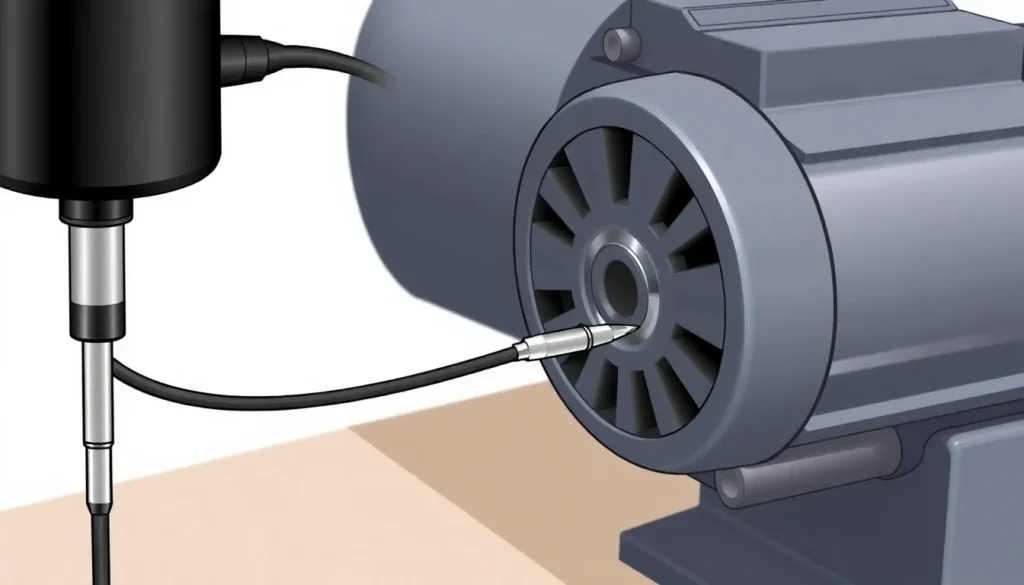
A rotary tool flex shaft is an accessory designed to enhance the functionality of rotary tools by providing a flexible connection between the motor and the working end. It typically consists of a flexible, rotating cable enclosed in a protective sheath, with a handpiece at one end that holds various attachments such as grinding, carving, or polishing bits. This setup allows for greater precision and maneuverability in intricate tasks by freeing the user from holding the entire rotary tool body directly.
Detailed Explanation
Rotary tools are versatile power tools used for cutting, grinding, polishing, engraving, and other detailed work. The flex shaft accessory extends the rotary tool’s shaft through a flexible cable, allowing the user to operate the tool with a smaller, lighter handpiece. This is particularly useful for tasks requiring fine motor control or access to hard-to-reach areas.
The flex shaft is commonly made from tightly wound steel wires or cables encased in a durable, flexible outer sheath. At one end, the flex shaft connects to the rotary tool’s motor, and at the other end is a handpiece with a collet or chuck to hold bits. The rotation generated by the motor is transmitted through the flexible cable to the handpiece, which spins the attached tool bit.

How It Works
The rotary tool flex shaft operates by transferring rotational motion from the tool’s motor unit through a flexible cable. Inside the sheath is a rotating inner core, often a tightly coiled wire or set of wires, that spins when the motor is turned on. The handpiece at the distal end of the flex shaft holds the rotary bits and spins at the same speed as the motor output.
This setup allows the user to handle the smaller handpiece rather than the bulkier motor unit, improving precision and reducing fatigue during detailed work. The flexibility of the shaft enables the user to maneuver the tool bit at various angles and into confined spaces that might be difficult to reach with the full rotary tool device.
Examples
- Jewelry Making: Artisans use rotary tool flex shafts to engrave, polish, and drill small pieces with precision and control.
- Dental Labs: Dental technicians employ flex shafts for delicate grinding and finishing of dental appliances.
- Wood Carving: Hobbyists and professionals use flex shafts to carve intricate designs on wood, benefiting from the fine control and flexibility.
- Model Building: Model makers use flex shafts to sand, cut, and shape small parts where accuracy is critical.
Pros and Cons
- Pros: Increased precision and control, reduced hand fatigue, flexible reach, ability to work in tight or awkward spaces, and enhanced versatility with various attachments.
- Cons: Additional cost compared to using the rotary tool alone, potential reduction in rotational speed due to transmission losses, risk of cable wear or breakage over time, and possible maintenance requirements such as lubrication or replacement of parts.
Comparison Table
| Aspect | Rotary Tool Flex Shaft | Standard Rotary Tool |
|---|---|---|
| Meaning | Flexible extension that transmits rotary motion to a handheld pen-like attachment | Handheld power tool with integrated motor and bit holder |
| Precision | High, due to smaller handpiece and flexibility | Moderate, bulkier tool can be harder to maneuver |
| Flexibility | Flexible cable allows complex angles and access | Rigid; limited to tool’s shape and size |
| Portability | Requires carrying motor and flex shaft separately | Single integrated unit, easier to transport |
| Maintenance | May require lubrication and replacement of cable | Generally low maintenance |
Decision Checklist
- Use this if you require detailed, intricate work where precision and flexibility are important.
- Avoid this if you need a simple, general-purpose rotary tool with minimal accessories or maintenance.
- Check this first to ensure compatibility of the flex shaft with your rotary tool model and confirm that the tool’s motor can handle the flex shaft accessory.
What is the easiest way to understand a Rotary Tool Flex Shaft?
The easiest way to understand a rotary tool flex shaft is to think of it as an extension cord for rotary tools that not only extends the reach but also offers a flexible, pen-like handle for working on small, detailed projects. It separates the motor from the working bit, allowing for fine control and maneuverability in tight or complex spaces.
FAQ
Can a flex shaft be used with any rotary tool?
Flex shafts are generally designed to fit specific rotary tool models or brands. Compatibility depends on the connection type and motor specifications, so it is important to verify compatibility before purchase.
Does using a flex shaft reduce the speed or power of the rotary tool?
Using a flex shaft can result in some minor reduction in rotational speed and torque due to friction and transmission losses within the cable, but this is usually negligible for most detailed work applications.
How do I maintain a rotary tool flex shaft?
Maintenance includes regular lubrication of the inner rotating cable, checking for wear or fraying, and replacing parts as necessary. Proper storage and avoiding excessive bending can extend its lifespan.


Leave a Reply