
Short Answer
Overview
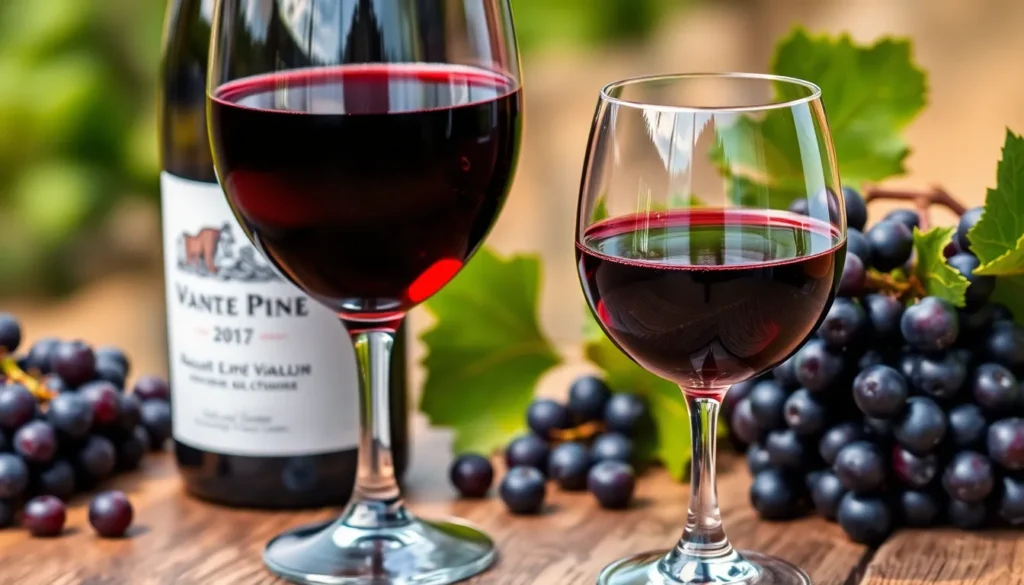
Dry red wine refers to a category of red wines that contain little to no residual sugar, resulting in a taste profile that is not sweet. These wines are made primarily from dark-colored grape varieties and are fermented until most of the natural sugars in the grapes are converted into alcohol by yeast. Dry red wines are popular worldwide and are often appreciated for their bold flavors and tannic structure.
Detailed Explanation
The term “dry” in wine terminology indicates the level of sweetness, or lack thereof. In dry red wines, fermentation is typically allowed to proceed completely or nearly completely, consuming the majority of the grape sugars. This contrasts with sweet or semi-sweet wines, where fermentation is stopped earlier or residual sugar is retained. The dryness affects the wine’s taste and mouthfeel, often resulting in a crisp, sometimes astringent sensation due to tannins.
Red wines are made from dark grape varieties such as Cabernet Sauvignon, Merlot, Pinot Noir, Syrah, and Malbec. The color, flavor, and tannin levels in dry red wines are influenced by factors including grape variety, vineyard location, climate, winemaking techniques, and aging processes.
How It Works
During the winemaking process, yeast converts grape sugars into alcohol and carbon dioxide in a process called fermentation. For dry red wines, fermentation is typically allowed to continue until almost all sugars are converted, resulting in minimal residual sugar—usually less than 1 gram per liter. This lack of sugar results in the characteristic dryness.
Additionally, the skin contact during fermentation imparts tannins and color to the wine. Tannins contribute to the wine’s structure, bitterness, and astringency, which are key components in dry red wines. Aging in barrels or bottles can further influence the wine’s flavor profile, softening tannins and developing complexity.
Examples
- Cabernet Sauvignon: Known for its full body, high tannins, and flavors of blackcurrant, cedar, and spice.
- Merlot: Typically softer and fruitier than Cabernet Sauvignon, with flavors of plum, chocolate, and herbs.
- Pinot Noir: Lighter in color and body, with delicate flavors of cherry, raspberry, and earthy notes.
- Syrah/Shiraz: Often full-bodied with flavors of blackberry, pepper, and smoky undertones.
- Malbec: Known for rich, dark fruit flavors and a velvety texture.
Pros and Cons
- Pros: Dry red wines typically have complex flavors and aromas, pair well with a variety of foods, and are lower in sugar compared to sweeter wines.
- Cons: The tannins can be astringent and bitter for some palates, and the dryness may not appeal to those who prefer sweeter beverages.
Comparison Table
| Aspect | Dry Red Wine | Sweet Red Wine |
|---|---|---|
| Meaning | Red wine with little to no residual sugar, non-sweet taste | Red wine with noticeable residual sugar, sweet taste |
| Residual Sugar | Typically less than 1 g/L | Higher sugar content, varies widely |
| Taste Profile | Dry, sometimes bitter or astringent (due to tannins) | Sweet, fruity, and less tannic |
| Common Grape Varieties | Cabernet Sauvignon, Merlot, Pinot Noir, Syrah | Lambrusco, some Zinfandels, Brachetto |
| Food Pairing | Red meats, hearty dishes, aged cheeses | Desserts, spicy dishes, lighter fare |
Decision Checklist
- Use this if: You prefer wines with minimal sweetness and a fuller-bodied, tannic structure.
- Avoid this if: You dislike bitter or astringent flavors or prefer sweet and fruity wines.
- Check this first: The wine label or description for terms like “dry,” “sec,” or “trocken,” which indicate dryness.
What is the easiest way to understand Dry Red Wine?
The simplest way to understand dry red wine is to think of it as a red wine that doesn’t taste sweet because almost all the natural grape sugars have been converted into alcohol during fermentation. Its flavor comes from grape characteristics and tannins rather than sweetness.
FAQ
What does 'dry' mean in dry red wine?
Dry means that the wine has little to no residual sugar, resulting in a non-sweet taste.
How can I tell if a red wine is dry?
Check the label or description for terms like 'dry,' 'sec,' or 'trocken,' and consider the grape variety and region known for dry wines.
Are dry red wines healthier than sweet wines?
Dry red wines generally contain less sugar, which may be preferable for those monitoring sugar intake; however, health effects depend on consumption quantity and individual factors.



Leave a Reply