
Short Answer
Overview
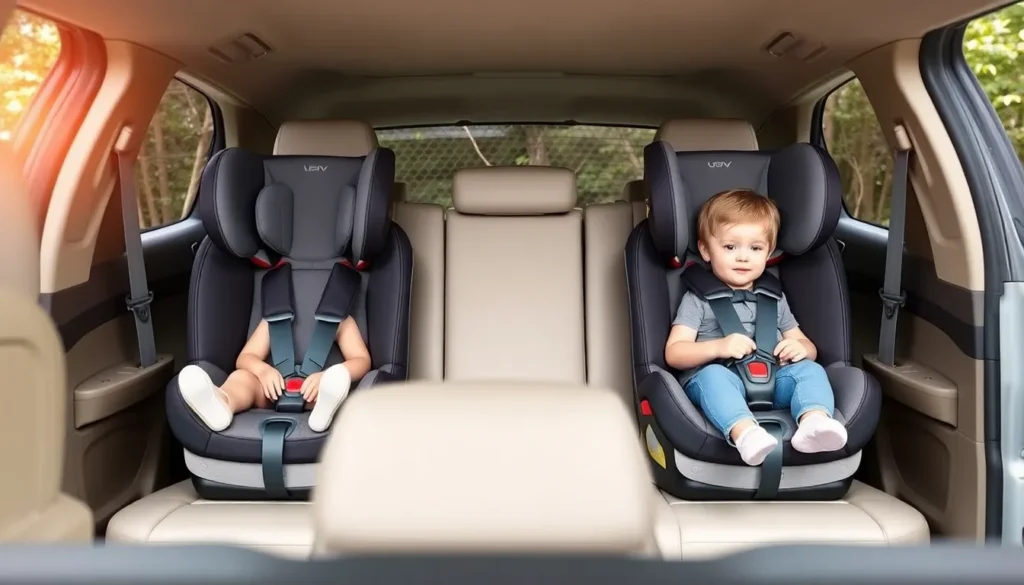
A convertible car seat is a child restraint device designed to be used in multiple configurations based on the child’s age, weight, and height. Unlike infant car seats, which are typically used only rear-facing for a limited time, convertible car seats can transition from rear-facing to forward-facing positions. This adaptability allows parents and caregivers to use a single seat for a longer period as the child grows, enhancing both convenience and safety.
Detailed Explanation
Convertible car seats are engineered to meet safety standards that accommodate children from infancy through toddlerhood and sometimes into early childhood. They are designed with adjustable harnesses, recline positions, and weight limits to support proper restraint in either rear-facing or forward-facing modes. Rear-facing positioning is generally recommended for younger children because it provides better protection for the head, neck, and spine in the event of a collision. As children grow and meet specific criteria, the seat can be converted to a forward-facing position with a five-point harness to continue ensuring safety.
How It Works
The convertible car seat installs securely in a vehicle using either the LATCH system (Lower Anchors and Tethers for Children) or the vehicle’s seat belt system. Initially, the seat is installed rear-facing, which is ideal for infants and young toddlers. When the child exceeds the rear-facing height or weight limits set by the manufacturer, the seat is reconfigured to face forward. This involves adjusting the harness system and sometimes repositioning the seat’s recline angle. Some models also include a tether strap to reduce forward movement during a crash. The seat’s design includes padding and side-impact protection features to enhance safety in both orientations.
Examples
- A convertible car seat used rear-facing for a 6-month-old infant weighing 15 pounds.
- The same seat converted to forward-facing with a five-point harness for a 3-year-old toddler weighing 30 pounds.
- A model with multiple recline positions and removable padding to fit a growing child comfortably.
Pros and Cons
- Pros: Extended usability from infancy to toddler years, cost-effective by eliminating the need for multiple seats, adaptable to different child sizes, enhanced safety when used correctly.
- Cons: Generally heavier and bulkier than infant-only seats, may be more difficult to transfer between vehicles, installation can be more complex, some models have lower rear-facing weight limits compared to dedicated infant seats.
Comparison Table
| Aspect | Convertible Car Seat | Infant Car Seat |
|---|---|---|
| Meaning | A car seat designed to convert between rear-facing and forward-facing modes to accommodate growing children. | A car seat designed primarily for rear-facing use with infants, often removable and portable. |
| Usage Duration | From infancy through toddlerhood, sometimes longer. | Generally from birth until child outgrows weight or height limits (usually about 1 year). |
| Weight Limits | Higher rear-facing and forward-facing weight limits depending on model. | Typically lower rear-facing weight limit (around 22-35 pounds). |
| Portability | Heavier and less portable. | Lightweight and easy to carry, often with a detachable base. |
| Installation | Fixed installation in vehicle, usually more complex. | Easy installation with detachable base, designed for frequent removal. |
Decision Checklist
- Use this if you want a single car seat that grows with your child and plan to keep your child rear-facing as long as possible before switching to forward-facing.
- Avoid this if you need a highly portable seat for frequent transfers between vehicles or require a seat specifically designed for newborns with additional head support.
- Check this first for compliance with current safety standards and verify the seat’s weight and height limits to ensure suitability for your child.
What is the easiest way to understand a Convertible Car Seat?
A convertible car seat is best understood as a versatile child safety seat that changes configuration to protect children at different stages of early development, combining the functionality of separate infant and toddler seats into one unit.
FAQ
When should I switch my child from rear-facing to forward-facing in a convertible car seat?
Children should remain rear-facing as long as possible, ideally until they reach the maximum height or weight limit specified by the car seat manufacturer for rear-facing use. This often means keeping the child rear-facing until at least age 2 or beyond, as rear-facing provides better protection in crashes.
Can a convertible car seat be used for newborns?
Yes, many convertible car seats are suitable for newborns and infants, provided they meet the minimum weight and size requirements. However, some models may require additional inserts or adjustments to properly support a newborn's head and body.
Is a convertible car seat safe compared to an infant-only car seat?
Convertible car seats are designed to meet rigorous safety standards and can be as safe as infant-only seats when used correctly. Their longer rear-facing weight limits often provide extended protection, but proper installation and adherence to guidelines are essential for safety.





Leave a Reply