
Short Answer
Overview
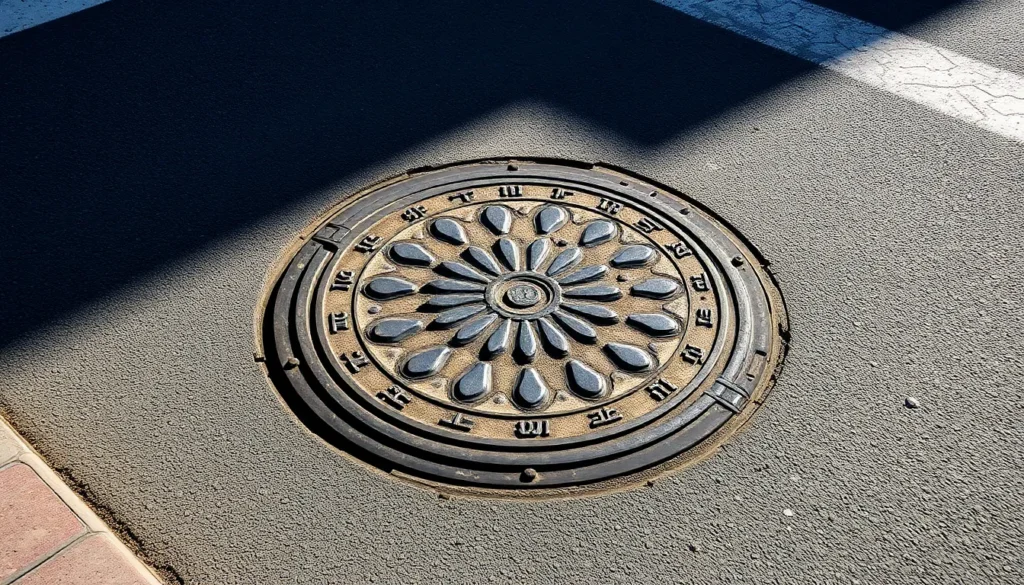
A manhole cover is a heavy, typically circular plate that seals the opening of a manhole, which provides access to underground public utility vaults such as sewer systems, storm drains, electrical conduits, or telecommunications infrastructure. These covers are designed to prevent unauthorized access, protect pedestrians and vehicles from falling into the opening, and shield the underground system from external elements. Manhole covers are usually made from materials such as cast iron, concrete, or composite materials and are designed to be durable and withstand heavy loads.
Detailed Explanation
Manhole covers are integral components of urban infrastructure, providing a secure and safe interface between the surface environment and underground utilities. They are commonly round in shape, as this design prevents the cover from falling into the hole if turned sideways. The covers typically weigh between 90 and 150 pounds (40 to 70 kilograms), which helps keep them securely in place. Materials used in their construction vary depending on the load requirements and environmental conditions, with cast iron and ductile iron being the most common due to their strength and durability.
Some manhole covers feature locking mechanisms, anti-slip surfaces, or ventilation holes to allow gases to escape from underground chambers. Additionally, they often have markings or inscriptions indicating the utility type, manufacturer, or municipal information.
How It Works
Manhole covers function primarily by sealing off the manhole opening, thereby preventing accidents and unauthorized access. Their substantial weight and fit within a recessed rim or frame in the pavement ensure stability and security against displacement from traffic or environmental forces. When maintenance or inspection is required, utility workers use specialized tools to lift and remove the cover, gaining access to the underground systems. Once the work is complete, the cover is replaced to restore safety and security.
Examples
- Sewer Manhole Covers: These cover access points to sewer systems and are designed to be watertight to prevent leakage and contamination.
- Electrical Vault Covers: Used to access underground electrical or telecommunications vaults, often featuring non-metallic composite materials to avoid electrical conductivity.
- Storm Drain Covers: Found over stormwater drainage systems, sometimes with perforations to allow water ingress while preventing large debris from entering.
Why It Matters
Manhole covers are essential for maintaining urban infrastructure functionality and public safety. They provide controlled access to underground utilities for maintenance and repairs, helping to ensure uninterrupted services such as water supply, sewage treatment, and electrical distribution. Their robust design minimizes hazards such as accidents involving pedestrians or vehicles. Moreover, by protecting underground systems from environmental exposure and vandalism, they contribute to infrastructure longevity and reliability.
Common Misconceptions
Misconception: Manhole covers are always round.
Correction: While most manhole covers are round for safety and practical reasons, some are square, rectangular, or other shapes depending on design requirements.
Misconception: Manhole covers are easy to remove.
Correction: Manhole covers are deliberately heavy and often require specialized tools to be safely lifted and removed to prevent accidents and unauthorized access.
Pros and Cons
Pros: Durable and strong construction; prevents accidents and unauthorized access; allows maintenance access; reusable and replaceable; can include design features such as anti-slip surfaces and ventilation.
Cons: Heavy weight makes handling difficult; potential for theft or vandalism due to metal content; can become dislodged under extreme conditions if not properly secured.
Comparison Table
| Aspect | Manhole Cover | Alternative/Related Topic: Utility Vault Lid |
|---|---|---|
| Meaning | A removable plate covering a manhole providing access to underground utilities. | A cover or lid used on larger underground utility chambers, sometimes hinged or equipped with locking mechanisms. |
| Material | Typically cast iron, ductile iron, concrete, or composites. | Often made from similar materials but can include reinforced concrete or steel plates. |
| Shape | Mostly round, but can be square or other shapes. | Varies; often rectangular or square to cover larger openings. |
| Weight | Heavy—usually 40 to 70 kg to prevent displacement. | Can be heavier or lighter depending on size and design. |
Decision Checklist
What is the easiest way to understand Manhole Covers?
Manhole covers can be best understood as the heavy lids placed over street or pavement openings that allow workers to safely access underground utility systems while protecting the public and infrastructure from hazards and unauthorized access.
FAQ
Why are most manhole covers round?
Most manhole covers are round because a circular shape cannot fall through its own opening, enhancing safety and ease of placement. This shape also distributes weight evenly and is easier to manufacture and handle.
What materials are manhole covers made from?
Manhole covers are commonly made from cast iron, ductile iron, concrete, or composite materials. The choice depends on load requirements, environment, and cost considerations.
How are manhole covers removed?
Manhole covers are removed using specialized tools such as manhole cover hooks or lifters due to their heavy weight and secure fit. This ensures safety and prevents damage to the cover or frame.





Leave a Reply