
Short Answer
Overview
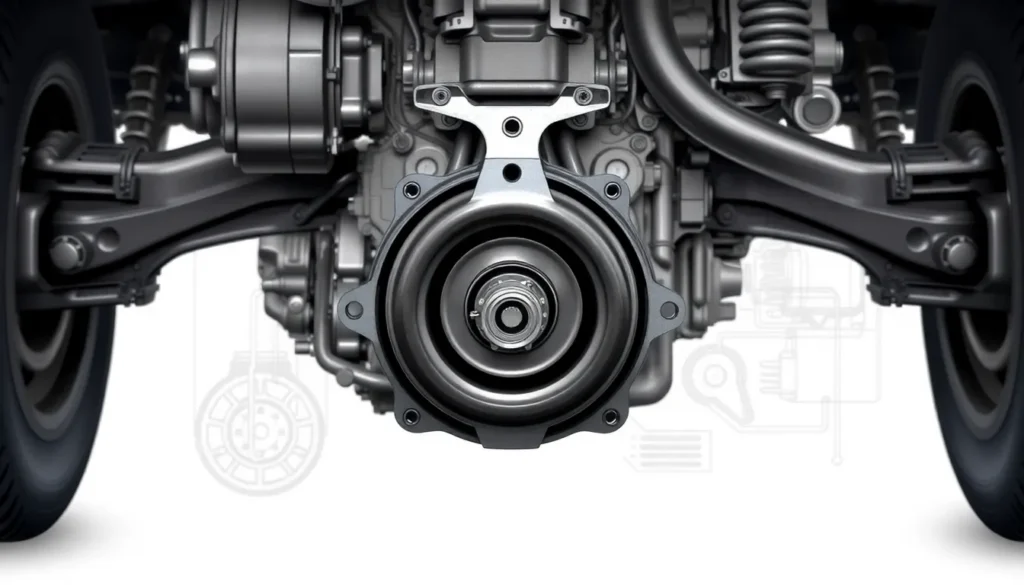
A motor mount is a mechanical device used to attach a motor or engine securely to the frame or chassis of a vehicle or machinery. Its primary role is to hold the motor in place while absorbing and dampening vibrations generated during operation. This isolation helps prevent excessive noise and vibration from being transmitted to the vehicle’s body or equipment structure, which can improve comfort, reduce wear, and protect other components.
Detailed Explanation
Motor mounts typically consist of a metal bracket combined with a vibration-absorbing material such as rubber or polyurethane. The mount is bolted to both the engine and the frame. The rubber or elastomeric material acts as a cushion that absorbs the engine’s movement and vibrations. Depending on design requirements, motor mounts may vary in size, shape, and material composition to accommodate different engine weights, power outputs, and operating conditions.
Motor mounts are used in various applications beyond automobiles, including motorcycles, boats, industrial machinery, and generators. In vehicles, they play a crucial role in maintaining engine alignment and preventing damage due to engine torque and road shocks.
How It Works
The motor mount works by balancing two key functions: securing the motor firmly in place and isolating vibrations. The rigid metal parts provide structural support, preventing excessive engine movement that could damage connections or components. The flexible elastomeric sections absorb and dissipate vibrations produced by the engine’s internal combustion or electric operation.
When the engine runs, it generates torque and vibrational energy. The mount’s rubber absorbs these vibrations, preventing them from reaching the chassis and passenger cabin. This results in smoother ride quality and less noise. Some advanced motor mounts incorporate hydraulic or electronic components to adapt their stiffness dynamically based on engine conditions, improving vibration control further.
Examples
- Automotive Motor Mounts: Found in virtually all cars and trucks, these mounts are designed to handle the weight and torque of internal combustion engines or electric motors while isolating vibrations from the cabin.
- Motorcycle Engine Mounts: Typically smaller and lighter, motorcycle mounts also reduce vibration transmitted to the frame to improve rider comfort.
- Industrial Motor Mounts: Used in machinery such as pumps and compressors, these mounts maintain precise motor positioning and minimize vibrations that could affect machine operation.
Pros and Cons
- Pros:
- Reduces noise and vibration transmitted to the vehicle or equipment frame.
- Protects engine components and surrounding parts from damage caused by excessive movement.
- Improves overall comfort and operational stability.
- Increases longevity of the engine and related components.
- Cons:
- Wear and degradation of rubber or elastomeric parts can lead to reduced effectiveness and eventual failure.
- Replacement can be labor-intensive and may require precise alignment.
- Inadequate motor mounts can cause increased vibration and noise, impacting performance and comfort.
- Use this if: You need to securely mount an engine or motor while minimizing vibration and noise transmission.
- Avoid this if: The application does not involve mechanical vibration or if rigid mounting without vibration damping is required.
- Check this first: The engine or motor weight, torque output, and vibration characteristics to select an appropriate motor mount design and material.
Comparison Table
| Aspect | Motor Mount | Engine Mount (Alternative) |
|---|---|---|
| Meaning | A device that secures and isolates a motor or engine to the frame, absorbing vibrations. | A broader term often used interchangeably with motor mount; may refer specifically to mounts designed for engines only. |
| Material Composition | Typically metal plus rubber or elastomeric materials. | Similar materials, sometimes including hydraulic or electronic components. |
| Primary Function | Provide structural support and vibration isolation for motors. | Support engine weight and isolate vibrations; may include advanced damping technologies. |
Decision Checklist
What is the easiest way to understand a Motor Mount?
The easiest way to understand a motor mount is to think of it as a cushion that holds an engine or motor firmly in place while absorbing the shaking and vibrations it produces, much like how a shock absorber works for a vehicle’s suspension to smooth out bumps.
FAQ
Why are motor mounts important?
Motor mounts are important because they secure the engine or motor to the vehicle or machine frame while absorbing vibrations. This reduces noise, improves comfort, and prevents damage to the engine and other components.
How do you know if a motor mount is failing?
Signs of a failing motor mount include excessive engine movement, increased vibration and noise inside the vehicle, visible cracks or deterioration in the rubber components, and unusual engine noises during acceleration or deceleration.
Can motor mounts be replaced individually?
Yes, motor mounts can typically be replaced individually. However, it requires proper alignment and sometimes special tools to ensure the engine is securely mounted and vibration isolation is maintained.





Leave a Reply