
Short Answer
Overview
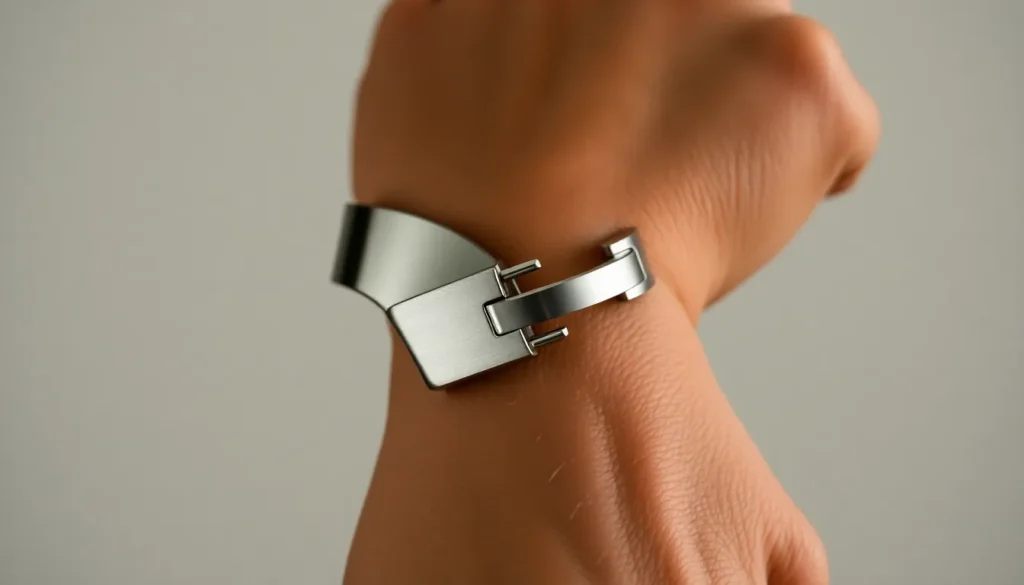
A permanent bracelet is a style of wrist adornment intended to remain on the wearer’s wrist for an extended period, often continuously. Unlike typical bracelets that can be easily removed or adjusted, permanent bracelets are designed to stay in place and are usually secured by locking mechanisms, soldering, or other methods that prevent casual removal. These bracelets can be made from various materials, including metals, plastics, or fabrics, depending on their purpose and design.
Detailed Explanation
Permanent bracelets are distinct from standard bracelets primarily because of their method of attachment. They are often used for symbolic, medical, or security reasons where continuous wear is necessary or desired. The permanence can be achieved by mechanical locks, welded joints, or even by customization to fit the wearer’s wrist exactly, making removal difficult without professional intervention.
In some cases, permanent bracelets serve as symbols of commitment or membership, similar to friendship bracelets but with a more enduring physical connection. In medical contexts, permanent bracelets may carry identification or alert information that must remain accessible at all times.
How It Works
The mechanism behind a permanent bracelet depends on its design and intended use. Common methods include:
- Locking clasp: A specialized clasp that locks securely, often requiring a unique key or tool to open.
- Soldering or welding: The bracelet is physically joined so that it cannot be opened without cutting or breaking the material.
- Custom fit: The bracelet is sized precisely to the wearer’s wrist to prevent slipping off.
These methods ensure the bracelet remains on the wrist, preventing accidental or intentional removal. Some designs incorporate safety features to avoid injury during removal, such as breakaway clasps that open under pressure but maintain security during normal wear.
Examples
- Locking metal bracelets: Often used as symbolic jewelry, these bracelets lock with a key or special tool and are designed not to be removed casually.
- Medical alert bracelets: Sometimes designed as permanent bracelets to ensure continuous wear, providing critical health information.
- Smart permanent bracelets: Some wearable technology devices are designed to be worn permanently for continuous health or location monitoring.
Why It Matters
Permanent bracelets hold significance in various contexts, including personal symbolism, medical safety, and security. Their continuous wear ensures that the intended purpose—whether it be identification, commitment, or monitoring—is reliably maintained. This permanence can provide peace of mind, prevent loss, and serve as a constant reminder or signal.
Common Misconceptions
Misconception: Permanent bracelets cannot be removed under any circumstance.
Correction: While designed to be worn continuously, permanent bracelets can usually be removed by a professional or with specific tools, especially if soldered or locked.
Misconception: Permanent bracelets are always uncomfortable or impractical.
Correction: Many permanent bracelets are designed with comfort and practicality in mind, including smooth finishes, adjustable sizing, or safety features.
Pros and Cons
Pros:
- Ensures continuous wear for symbolic, medical, or security purposes.
- Reduces risk of loss or theft compared to removable bracelets.
- Can serve as a constant reminder or identification tool.
Cons:
- May require professional assistance for removal or resizing.
- Potential discomfort if not properly sized or designed.
- Limited flexibility in changing or removing the bracelet as desired.
Comparison Table
| Aspect | Permanent Bracelet | Traditional Bracelet |
|---|---|---|
| Meaning | Designed to be worn continuously and not easily removed | Typically worn for style, easily removable |
| Attachment Method | Lock or soldering mechanisms | Clasp, elastic, or slip-on designs |
| Purpose | Symbolic, medical alert, security, monitoring | Fashion, personal expression |
| Removal | Requires tools or professional intervention | Simple and user-friendly |
| Comfort | Custom fit often required | Generally adjustable and flexible |
Decision Checklist
What is the easiest way to understand Permanent Bracelets?
The easiest way to understand a permanent bracelet is to think of it as a piece of jewelry designed not to come off easily, often locked or welded in place, serving a purpose beyond mere decoration—such as symbolizing commitment or providing constant identification.
FAQ
Can a permanent bracelet be removed?
Yes, permanent bracelets can typically be removed by a professional jeweler or with special tools, especially if they are locked or soldered in place.
Are permanent bracelets comfortable to wear?
When properly sized and designed, permanent bracelets can be comfortable for extended wear, although discomfort may occur if the fit is poor.
What materials are used for permanent bracelets?
Permanent bracelets are commonly made from metals such as gold, silver, or stainless steel, but can also include durable plastics or fabric components depending on the design.





Leave a Reply