
Short Answer
Overview
A termite bond is a formal agreement between a property owner and a pest control service provider aimed at protecting the property from termite infestations. It typically involves regular inspections and treatments to detect and control termite activity before significant damage can occur. Termite bonds are commonly used in residential and commercial real estate to maintain the structural integrity of buildings and to provide peace of mind to property owners and buyers.
Detailed Explanation
Termite bonds are contractual arrangements that outline the terms and conditions under which pest control companies will monitor and treat a property for termites. These agreements usually specify the frequency of inspections, the type of treatments to be applied, and the duration of the bond, which can range from one year to multiple years. The bond may also include provisions for retreatment if termites are found during the contract period, often at no additional cost to the property owner.
Different types of termite bonds exist, including pre-construction termite bonds, which are established during the building phase to prevent termite infestation, and post-construction bonds, which are designed for existing structures. The bond serves as a preventive maintenance tool and can be a requirement in real estate transactions depending on local regulations or lender requirements.
How It Works
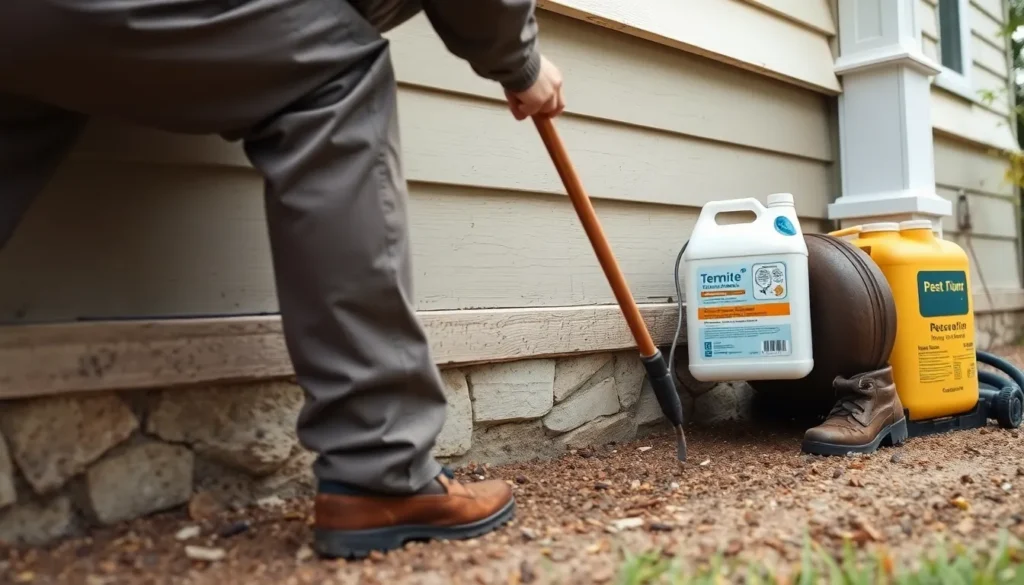
Typically, once a termite bond is initiated, the pest control company conducts an initial thorough inspection of the property to assess the presence or risk of termite activity. Based on this inspection, the company will apply appropriate treatments, which may include chemical barriers, baiting systems, or other termite control methods.
After the initial treatment, the property is regularly inspected according to the schedule set out in the bond—commonly every six or twelve months. If termites are detected during these follow-up inspections, the company is responsible for retreating the property to eliminate the infestation. The bond remains active as long as the contract period is valid and the property owner complies with the terms.
Examples
- A homeowner purchases a one-year termite bond from a local pest control company that includes biannual inspections and chemical treatments to keep the home protected.
- A commercial property owner enters into a multi-year termite bond that mandates quarterly inspections and use of bait stations around the building perimeter.
- During a real estate transaction, the buyer requests a termite bond as part of the sale agreement to ensure ongoing protection and to satisfy mortgage lender requirements.
Pros and Cons
Pros:
- Provides ongoing termite protection and early detection.
- Can prevent costly structural damage.
- Often includes retreatment at no extra charge if termites are found.
- May increase property value and assist in real estate transactions.
Cons:
- Requires regular payments which may be costly over time.
- Effectiveness depends on the pest control company’s methods and expertise.
- Does not guarantee complete elimination of termites in all cases.
- Some bonds may have restrictive terms or exclusions.
Comparison Table
| Aspect | Termite Bond | Alternative/Related Topic |
|---|---|---|
| Meaning | A service contract for ongoing termite inspections and treatments to protect a property. | One-time termite treatment: A single application to eliminate termites without ongoing monitoring. |
| Duration | Typically 1 year or more with renewal options. | One-time treatment: Usually a single event with no contract. |
| Coverage | Includes inspections, treatments, and retreatments if termites are found. | Limited to initial treatment; further infestations require new service. |
| Cost | Recurring fees based on contract terms. | One-time fee for initial treatment. |
| Purpose | Prevention and early detection to minimize damage. | Eradication of existing termite infestation. |
Decision Checklist
- Use this if: You want ongoing termite protection and peace of mind through regular inspections and treatments.
- Avoid this if: You prefer a one-time treatment or have a limited budget for pest control services.
- Check this first: The terms and conditions of the bond, including coverage, duration, exclusions, and company reputation.
What is the easiest way to understand a Termite Bond?
The easiest way to understand a termite bond is to think of it as a subscription service for termite protection: you pay regularly, and in return, the pest control company monitors and treats your property to prevent termite damage over time.
FAQ
What does a termite bond cover?
A termite bond typically covers regular inspections, treatments, and retreatments if termites are detected during the contract period.
Is a termite bond necessary for all properties?
While not legally required in all areas, termite bonds are recommended in regions prone to termite activity to protect property value and prevent damage.
Can a termite bond guarantee that my property will be termite-free?
No termite bond can guarantee complete termite elimination; however, it significantly reduces the risk by providing ongoing monitoring and treatment.


Leave a Reply