
Short Answer
Overview
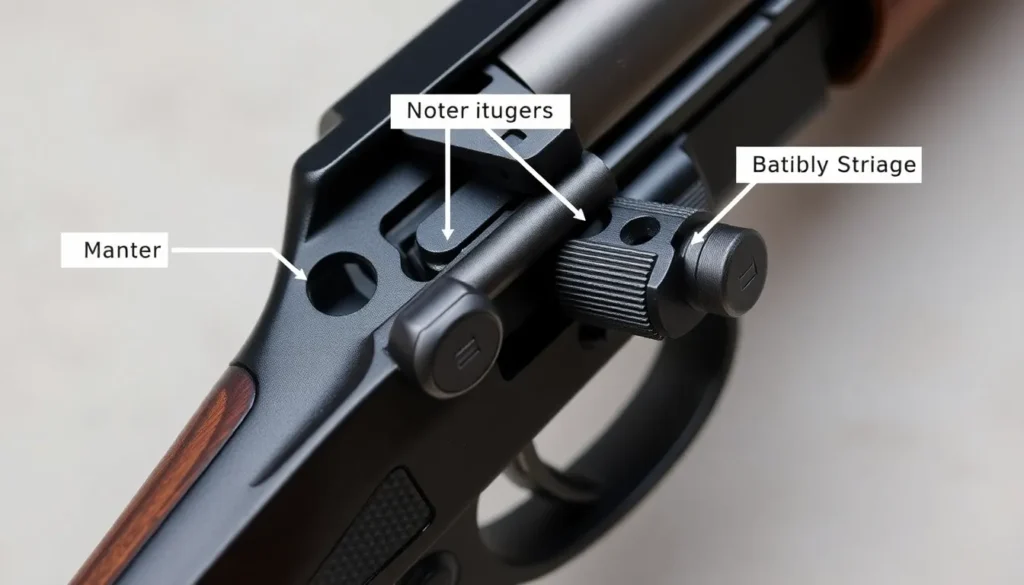
A 2 stage trigger is a mechanism used primarily in firearms that requires the trigger to be pulled through two separate phases before the firearm discharges. This design allows the shooter to take up initial slack in the trigger pull without firing the weapon, enhancing control and potentially improving shooting accuracy. The concept may also apply in other mechanical or electronic devices where controlled actuation is essential.
Detailed Explanation
In firearms, the 2 stage trigger typically consists of a first stage where the trigger moves with minimal resistance, preparing the mechanism for firing but not yet releasing it. The second stage involves increased resistance, culminating in the release of the firing mechanism (such as a sear), which discharges the firearm. This contrasts with single-stage triggers, where the trigger pull is consistent and results in firing once a certain pressure threshold is reached.
The first stage is sometimes called the “take-up,” and the second stage the “break.” The design helps shooters detect the point of imminent firing, allowing for more precise control. In some systems, the first stage travel is adjustable to customize the feel and performance according to user preference.
How It Works
When the trigger is pulled, the initial movement (first stage) takes up the slack or slack spring tension in the trigger mechanism. During this phase, the shooter feels a light or moderate resistance but no firing occurs. After this take-up, the trigger encounters a higher resistance (second stage) which must be overcome to release the sear or firing pin, resulting in discharge.
The design ensures the shooter is aware of the trigger’s position relative to firing, increasing safety by preventing accidental discharges from light or unintended trigger pulls. It also aids in accuracy by allowing the shooter to prepare for the exact moment of firing.
Examples
- Military and Precision Rifles: Many sniper and precision rifles use 2 stage triggers to enhance shot control.
- Competition Firearms: Some competitive shooting disciplines favor 2 stage triggers for their predictability and control.
- Air Rifles and Airsoft Guns: Certain models employ 2 stage triggers to mimic firearm behavior for training purposes.
Why It Matters
The 2 stage trigger system matters primarily for safety and accuracy. By providing distinct phases in trigger pull, it reduces the likelihood of unintentional discharge and allows shooters to better prepare for the precise moment of firing. This can be particularly crucial in tactical, hunting, or competitive shooting environments.
Common Misconceptions
Misconception: A 2 stage trigger means the firearm fires twice with one pull.
Correction: The term “2 stage” refers to the trigger pull phases, not multiple discharges. The firearm still fires once per trigger pull.
Misconception: 2 stage triggers are always better than single-stage triggers.
Correction: The preference depends on the application and shooter. Some prefer single-stage triggers for their simplicity and consistency.
Pros and Cons
Comparison Table
| Aspect | 2 Stage Trigger | Single Stage Trigger |
|---|---|---|
| Meaning | Trigger pull with two distinct phases: take-up and break. | Trigger pull with a single consistent phase until firing. |
| Control | Higher control due to tactile feedback between stages. | Less tactile feedback; consistent pull pressure. |
| Complexity | More mechanically complex. | Mechanically simpler. |
| Common Uses | Precision shooting, tactical firearms. | General use, many hunting and self-defense firearms. |
Decision Checklist
- Use this if you need enhanced control and precision in firing.
- Avoid this if you prefer simplicity or are unfamiliar with trigger mechanics.
- Check this first if the firearm or device is designed for your intended application and comfort.
What is the easiest way to understand 2 Stage Trigger?
The easiest way to understand a 2 stage trigger is to think of it as a two-step process: first, you take up the slack with little resistance, then you encounter a firmer resistance before the trigger finally releases the firing mechanism. This design helps you know exactly when the action will occur, much like pressing a two-step button that gives you a warning before activating.
FAQ
What is the difference between a two-stage and a single-stage trigger?
A two-stage trigger has a distinct initial slack or take-up phase followed by a second phase with increased resistance leading to firing, whereas a single-stage trigger has a consistent pressure pull until the firearm discharges.
Can a two-stage trigger improve shooting accuracy?
Yes, by providing tactile feedback and better control over the firing moment, two-stage triggers can help shooters improve accuracy, especially in precision shooting scenarios.
Are two-stage triggers safer than single-stage triggers?
Two-stage triggers can enhance safety by giving the shooter a clear indication of when the trigger is about to release, potentially reducing accidental discharges, but safe firearm handling practices remain essential regardless of trigger type.

Leave a Reply