
Short Answer
Overview
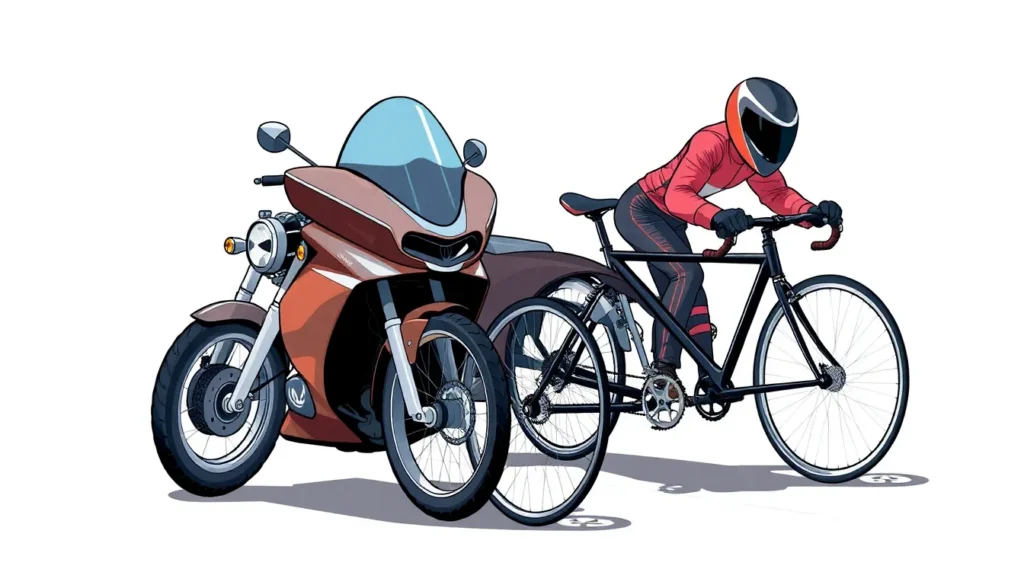
A bike fairing refers to an aerodynamic structure or covering affixed to a bicycle or motorcycle. Its primary purpose is to reduce air drag, which can enhance speed and energy efficiency for the rider. Additionally, fairings often serve to shield the rider from wind, rain, and debris, improving comfort during travel. While commonly associated with motorcycles, bike fairings are also used in specialized bicycles, especially those designed for racing or long-distance touring.
Detailed Explanation
Fairings are constructed from materials such as fiberglass, plastic, carbon fiber, or lightweight composites. They vary in size and shape depending on their intended use. On motorcycles, fairings can cover parts of the engine, front forks, and frame, streamlining the overall shape. For bicycles, fairings are usually smaller and often include front wheel covers or full-body shells for recumbent bikes. The design focuses on minimizing the frontal area exposed to airflow and smoothing airflow around the vehicle to reduce turbulence.
How It Works
Bike fairings function by altering the airflow around the vehicle and rider. By creating a smooth, contoured surface, fairings decrease the aerodynamic drag force opposing forward motion. This reduction in resistance allows riders to maintain higher speeds with less exertion. In motorcycles, this can also improve fuel efficiency. Additionally, fairings protect the rider from windblast, which can reduce fatigue on longer rides. Some fairings incorporate vents or ducts to manage cooling and airflow to mechanical components.
Examples
- Full Motorcycle Fairings: These cover the front and sides of sport bikes, such as the Kawasaki Ninja or Honda CBR series, providing significant aerodynamic benefits at high speeds.
- Half Fairings: Common on touring motorcycles, these cover the upper portion, including the windshield and front forks, balancing protection and accessibility.
- Recumbent Bicycle Fairings: Enclose the entire rider and bike in a streamlined shell, often used in speed record attempts.
- Front Wheel Fairings on Bicycles: Small, aerodynamic covers placed over the front wheel to reduce drag, frequently used in time trials.
Pros and Cons
Pros:
- Improves aerodynamic efficiency, increasing speed and reducing energy expenditure.
- Protects the rider from wind, rain, and debris.
- Can enhance fuel economy in motorized bikes.
- May improve stability at higher speeds.
Cons:
- Adds weight and complexity to the bike.
- Can increase cost and maintenance requirements.
- May reduce maneuverability, especially in tight spaces or off-road conditions.
- Potentially limits cooling airflow to the engine or rider.
Comparison Table
| Aspect | Bike Fairing | Alternative/Related Topic |
|---|---|---|
| Meaning | A structural aerodynamic covering for bikes or motorcycles designed to reduce drag and protect the rider. | Bicycle Frame: The core structural component supporting the bike’s parts without aerodynamic enhancements. |
| Function | Reduces air resistance and improves rider comfort. | Helmet: Personal protective gear primarily for safety, with some aerodynamic benefits but no structural bike modifications. |
| Material | Fiberglass, plastic, carbon fiber, composites. | Bike Accessories: Various materials, often less focused on aerodynamics. |
Decision Checklist
- Use this if: You want to improve aerodynamic efficiency on a motorcycle or specialized bicycle, especially for racing or long-distance riding.
- Avoid this if: You prioritize lightweight simplicity, off-road capability, or frequent bike handling in tight spaces.
- Check this first: Compatibility with your bike model, local regulations regarding fairings, and the impact on cooling and maintenance.
What is the easiest way to understand Bike Fairing?
Think of a bike fairing as a streamlined shell or shield attached to a bike that helps it slice through the air more efficiently, much like how a streamlined car reduces wind resistance to improve speed and fuel economy. It shapes the airflow around the bike and rider to reduce drag and protect against environmental factors.
FAQ
Do bike fairings improve fuel efficiency on motorcycles?
Yes, by reducing aerodynamic drag, bike fairings can improve fuel efficiency, especially at higher speeds where air resistance is a significant factor.
Can I install a fairing on any bicycle?
Not all bicycles are compatible with fairings. Fairings are typically used on specialized or recumbent bikes designed to accommodate aerodynamic coverings.
Do bike fairings add significant weight to the bike?
Fairings do add some weight due to their materials, but modern composites and designs aim to minimize this impact while maximizing aerodynamic benefits.





Leave a Reply