
Short Answer
Overview
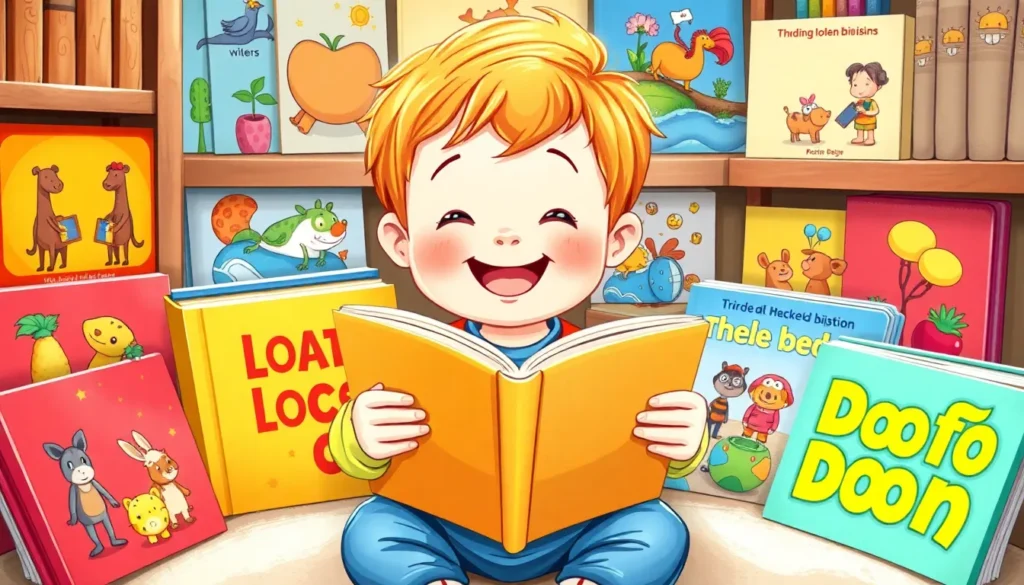
A board book is a book format characterized by its thick, durable pages made from cardboard or heavy paperboard. These books are primarily designed for infants, toddlers, and young children, offering a sturdy and safe reading experience. The pages are often coated or laminated to resist spills, tears, and general wear and tear associated with handling by young readers. Board books typically contain simple text and bright, engaging illustrations aimed at fostering early literacy and cognitive development.
Detailed Explanation
Board books differ from traditional paper books in that their pages are much thicker and more rigid. Each page is made from multiple layers of heavy paperboard compressed together, which provides durability and resistance to damage from handling, chewing, and bending. This construction makes board books especially suitable for small children who are still developing fine motor skills and may be rough with books.
Content-wise, board books usually feature minimal text, simple vocabulary, and repetitive language patterns. Their illustrations tend to be bold and colorful, designed to capture a child’s attention and aid in visual learning. Themes often include basic concepts such as numbers, letters, shapes, animals, and everyday objects. Many board books also incorporate interactive elements like textured surfaces or flaps to encourage tactile exploration.
How It Works
The design of a board book serves multiple functions. The thickness and sturdiness of the pages prevent easy tearing, making them safer and longer-lasting than conventional books. The size is typically small and manageable for a child’s hands, aiding in the development of motor skills and promoting independent reading habits. The laminated or coated surfaces protect the book from moisture and dirt, which are common when used by young children.
In literacy development, board books are often used as an introductory tool, exposing children to books and reading in a way that is accessible and engaging. Because they are resilient to damage, board books can be handled freely by children, encouraging exploration and familiarity with books without the risk of rapid deterioration.
Examples
- Classic Alphabet Board Books: Simple books focusing on letters and associated images, such as “A is for Apple.” These help introduce the alphabet in an engaging format.
- Counting Board Books: Books that present numbers with visual representations, aiding early numeracy skills.
- Interactive Board Books: Titles that include textures, flaps, or movable parts to encourage sensory interaction and engagement.
- Picture Board Books: Books that tell simple stories through images and minimal text, supporting language development.
- Concept Board Books: Books teaching basic ideas such as colors, shapes, or emotions, designed to expand vocabulary and understanding.
Why It Matters
Board books play an important role in early childhood education and literacy development. Their durability ensures that young children can explore books without the risk of damage, making reading a positive and accessible activity. By providing age-appropriate content in a sturdy format, board books help foster a lifelong interest in reading and learning. Additionally, the tactile nature of board books supports sensory development and fine motor skills, both critical in early growth stages.
Common Misconceptions
Misconception: Board books are only for infants.
Correction: While primarily aimed at infants and toddlers, board books can be enjoyed by children beyond infancy, especially those who benefit from tactile learning or have difficulty handling paper pages.
Misconception: Board books contain less educational value than regular books.
Correction: Board books often contain carefully designed educational content tailored to early learners, supporting literacy, numeracy, and cognitive development effectively.
Pros and Cons
Pros:
- Durable and resistant to damage from handling and chewing.
- Safe for young children due to sturdy pages and often rounded corners.
- Designed to engage early learners with simple text and bright illustrations.
- Supports sensory and motor skill development through tactile elements.
- Easy for small hands to hold and turn pages.
Cons:
- Limited amount of text and detail compared to traditional books.
- Typically more expensive to produce, which can affect retail price.
- Less flexibility in design due to rigid pages.
- Not suitable for older children seeking more complex reading material.
Comparison Table
| Aspect | Board Book | Paperback Book |
|---|---|---|
| Meaning | Books with thick, sturdy cardboard pages designed for young children. | Books with flexible, thin paper pages, common for all age groups. |
| Durability | Highly durable; resistant to tearing and chewing. | Less durable; pages can tear or crease easily. |
| Target Audience | Infants, toddlers, and early learners. | Older children, adolescents, and adults. |
| Content Complexity | Simple text, basic concepts, often repetitive. | Wide range from simple to complex narratives. |
| Size and Portability | Small, easy to hold for young children. | Varies widely; often larger and less manageable for small hands. |
Decision Checklist
What is the easiest way to understand Board Books?
Board books are best understood as durable, toddler-friendly books made with thick cardboard pages that can withstand rough use. They are simple, colorful, and designed to introduce young children to reading in a safe and engaging manner.
FAQ
Why are board books better for toddlers?
Board books are better for toddlers because their thick cardboard pages are durable and resistant to tearing, making them safer and easier for small hands to handle.
Can board books help with early literacy?
Yes, board books support early literacy by introducing simple vocabulary, repetitive language, and basic concepts through engaging images and text.
Are board books suitable for all ages?
Board books are primarily designed for infants and toddlers, but they can be useful for any child who benefits from sturdy, tactile books. However, older children may prefer more complex formats.




Leave a Reply