
Short Answer
Overview
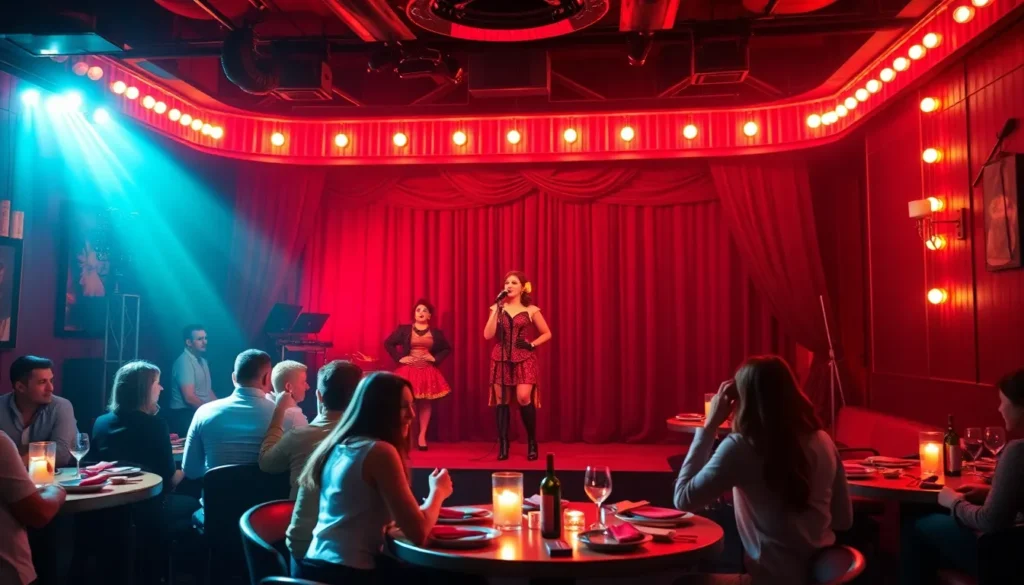
A cabaret show is a type of live entertainment characterized by a diverse program of performances that may include singing, dancing, comedy, dramatic sketches, and other forms of artistic expression. Typically held in intimate venues such as nightclubs, bars, or small theaters, cabaret shows create a close connection between performers and audiences. The format often encourages audience interaction and improvisation, distinguishing it from more formal theatrical presentations.
Detailed Explanation
Originating in late 19th-century France, cabaret evolved as a popular entertainment form that combined various performing arts within a single event. Unlike a traditional play or concert, a cabaret show is usually composed of multiple short acts or numbers, each showcasing a different talent or style. The atmosphere is often informal and convivial, with audience members seated at tables, sometimes enjoying food and drinks during the performance. Themes and content in cabaret can range from lighthearted and comedic to provocative and political, reflecting the tastes and social climate of the venue and its patrons.
How It Works
A cabaret show functions as a curated sequence of performances that are interspersed with interactions between performers and the audience. The show is usually hosted by a master of ceremonies (MC) who introduces acts and maintains the flow of the evening. Performances can include solo or group acts, musical numbers, monologues, and sketches. Due to the intimate setting, performers often engage directly with the audience, breaking the fourth wall and creating a participatory experience. The flexible format allows for spontaneity and experimentation, making each cabaret show unique.
Examples
- Classic Parisian Cabaret: Venues like the Moulin Rouge in Paris are famous for combining dance, music, and theatrical spectacle in a lavish setting.
- American Cabaret: In the United States, cabaret has included jazz performances, stand-up comedy, and political satire, often set in small clubs or lounges.
- Contemporary Cabaret: Modern cabaret shows may incorporate multimedia elements, drag performances, or storytelling, reflecting evolving cultural trends.
Why It Matters
Cabaret shows have historically provided a platform for artistic innovation and social commentary. Their intimate format allows for personal expression and a direct connection with audiences, fostering community and cultural exchange. Cabaret has influenced various entertainment genres and continues to be a space for experimentation and diversity in performance arts.
Common Misconceptions
Misconception: Cabaret is synonymous with striptease or adult entertainment.
Correction: While some cabaret performances may include burlesque elements, cabaret as a genre encompasses a wide range of artistic acts and is not limited to adult entertainment.
Misconception: Cabaret shows are always large, elaborate productions.
Correction: Many cabaret shows are intentionally small and intimate, emphasizing close interaction rather than grand spectacle.
Pros and Cons
Comparison Table
| Aspect | Cabaret Show | Traditional Theater |
|---|---|---|
| Meaning | Varied live performances in an intimate setting with audience interaction | Structured dramatic or musical productions in formal venues |
| Format | Multiple short acts, often unrelated | Single narrative or thematic production |
| Venue | Small clubs, bars, or lounges | Theaters with fixed seating |
| Audience Interaction | Common and encouraged | Generally limited or none |
| Content | Eclectic, including comedy, music, dance | Primarily drama or musical theater |
Decision Checklist
- Use this if: You want a casual, varied live entertainment experience with close audience engagement.
- Avoid this if: You prefer formal, narrative-driven theater performances.
- Check this first: The type of venue and the show’s program to ensure it aligns with your entertainment preferences.
What is the easiest way to understand a Cabaret Show?
The easiest way to understand a cabaret show is to think of it as a lively, informal variety show held in a small venue where performers present a mix of music, comedy, and theatrical acts directly to an engaged audience. Unlike a traditional play or concert, it emphasizes diversity of performance styles and interactive atmosphere.
FAQ
What distinguishes a cabaret show from a traditional theater performance?
A cabaret show features a variety of short acts including music, comedy, and dance in an intimate setting with audience interaction, whereas traditional theater typically involves a single narrative play or musical presented in a formal theater setting.
Are cabaret shows always adult-oriented?
No, while some cabaret performances may include mature themes or burlesque elements, the genre as a whole encompasses a wide range of content suitable for various audiences.
Do cabaret shows have a fixed program?
Cabaret shows often have a curated program of acts, but they tend to be flexible, allowing for spontaneity, improvisation, and audience engagement.






Leave a Reply