
Short Answer
Overview
A restricted call is a telephone call in which the caller’s phone number or identifying information is intentionally withheld from the recipient. This blocking of the caller ID is often employed to maintain privacy, prevent unwanted callback, or mask the caller’s identity for various legitimate or personal reasons. Restricted calls can occur on both landline and mobile phones and are facilitated by telecommunication service providers through specific features or codes.
Detailed Explanation
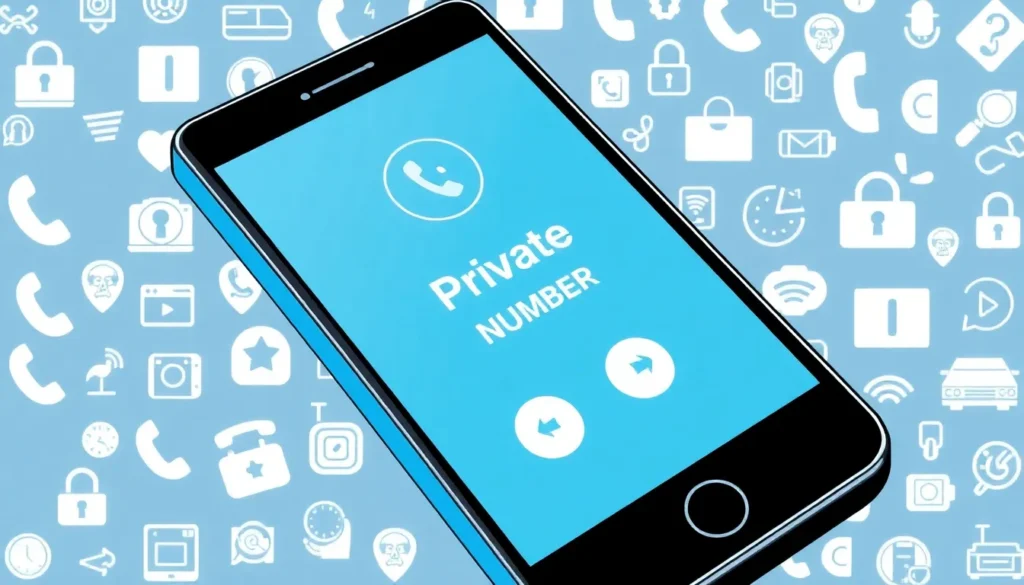
When a caller places a restricted call, their phone number and sometimes other identifying details such as the caller’s name are not transmitted to the recipient’s caller ID display. Instead, the recipient’s phone may show messages such as “Private Number,” “Blocked,” “Unknown Caller,” or “Restricted.” This prevents the recipient from seeing who is calling before answering. The restriction can be set on a per-call basis or as a permanent setting on the caller’s phone line.
The technology behind restricted calls varies by region and provider but generally involves signaling protocols that suppress the transmission of caller ID information during call setup. Some systems also allow the blocking of the caller’s location information.
How It Works
Restricted calls function through telephony network signaling that withholds or masks the caller ID data. In many landline systems, dialing a specific prefix code (such as *67 in North America) before the telephone number activates caller ID blocking for that call. Mobile phones often have settings within their operating system or service plan that enable caller ID restriction for all outgoing calls or selectively.
The telecommunication provider’s network processes these instructions and ensures that the caller ID data is not forwarded to the recipient’s device. However, emergency services and certain authorized entities may still receive the caller’s information despite the restriction, due to regulatory requirements.
Examples
- A user in the United States dials *67 before making a call, causing their number to appear as “Blocked” on the recipient’s phone.
- A mobile phone user activates the “Hide Number” feature in their phone settings, making all outgoing calls restricted by default.
- A business uses restricted calls to protect their customer service representatives’ direct lines from being exposed.
Pros and Cons
Pros:
- Protects caller privacy and identity.
- Prevents unwanted callbacks or harassment.
- Useful for confidential or sensitive communications.
Cons:
- Recipients may ignore or refuse calls from restricted numbers.
- Can be used for malicious purposes such as spam or fraud.
- Some services or users do not accept calls from blocked numbers.
Comparison Table
| Aspect | Restricted Call | Regular Call |
|---|---|---|
| Meaning | Caller ID is hidden or blocked from recipient. | Caller ID information is transmitted and displayed. |
| Use Case | Privacy or anonymity for caller. | Standard communication with visible caller info. |
| Recipient Display | Shows “Blocked,” “Private,” or “Unknown.” | Shows caller’s phone number and possibly name. |
| Acceptance | May be declined by recipient or service. | Generally accepted and expected. |
Decision Checklist
- Use this if: You want to keep your phone number private for a specific call or generally.
- Avoid this if: You need the recipient to see your number to recognize or trust the call.
- Check this first: Whether the recipient’s phone or service accepts restricted calls or blocks them automatically.
What is the easiest way to understand Restricted Calls?
A restricted call is simply a phone call where the person calling intentionally hides their phone number so the person receiving the call does not know who is calling before answering.
FAQ
Can restricted calls be traced?
Yes, telecommunication providers and authorized agencies can trace restricted calls despite caller ID blocking, especially in cases involving emergencies or legal investigations.
How do I make a restricted call?
On many landline phones, you can dial a prefix such as *67 before the number you want to call to block your caller ID for that call. On mobile phones, there are settings to hide your number for all calls or you can use specific codes depending on your carrier.
Why do some people not answer restricted calls?
Many people avoid answering calls with blocked or restricted caller ID because such calls are often associated with telemarketers, scams, or unwanted contacts, leading to distrust of unknown or hidden numbers.






Leave a Reply