
Short Answer
Overview
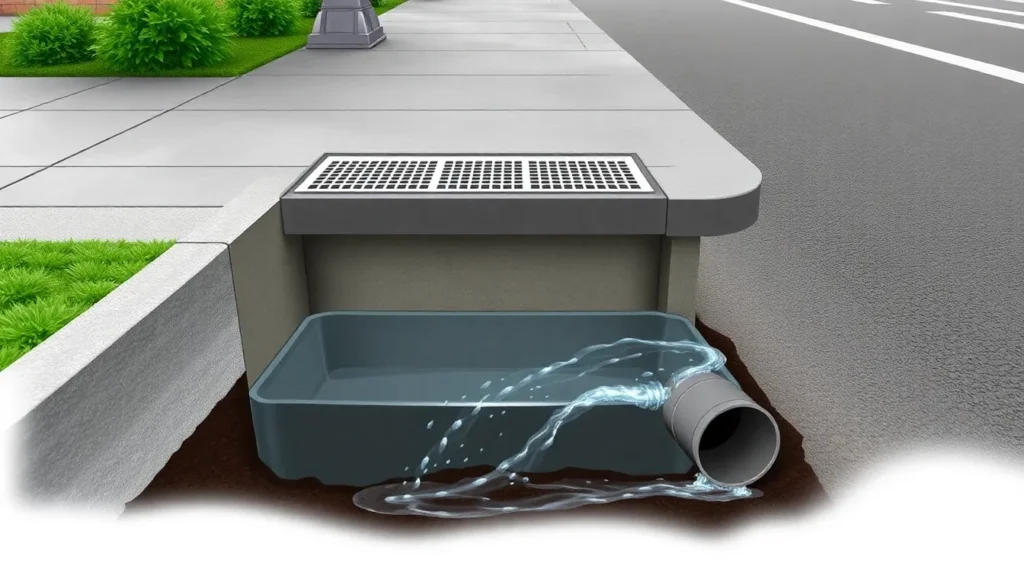
A catch basin is a structure commonly used in civil engineering and urban drainage systems to collect surface water runoff and prevent flooding. It typically consists of a grated inlet at ground level, a sump or basin below the inlet to trap debris and sediment, and an outlet pipe that channels water into a storm sewer or drainage system. Catch basins are strategically placed in areas prone to water accumulation, such as streets, parking lots, and landscaped areas, to manage stormwater and maintain safe, dry surfaces.
Detailed Explanation
Catch basins serve as an integral part of stormwater management infrastructure by intercepting rainwater and runoff before it enters larger drainage networks. The basin beneath the grate creates a settling area where sediments, trash, and other debris can accumulate, preventing clogging and damage to downstream pipes. This sedimentation process helps reduce pollution and maintain the efficiency of drainage systems. Catch basins vary in size and design depending on local regulations, expected water volume, and site conditions.
How It Works
Water enters the catch basin through a surface grate, which allows runoff to flow in while blocking large objects. The water then flows downward into the sump, where heavier particles settle out of the flow. Lighter debris and oils may float on the water surface within the basin. Clean water exits through an outlet pipe located above the sump, which directs the flow to storm sewers or natural water bodies. Regular maintenance, including cleaning and debris removal, is necessary to ensure proper function.
Examples
- Urban Streets: City streets often have catch basins installed along curbs to rapidly collect runoff and reduce street flooding.
- Parking Lots: Large commercial parking areas use catch basins to manage stormwater and prevent pooling or erosion.
- Residential Areas: Subdivisions may incorporate catch basins in drainage systems to protect homes from water damage and flooding.
Why It Matters
Catch basins play a critical role in urban infrastructure by mitigating flood risks, protecting property, and improving water quality. By trapping sediments and debris, they prevent blockages in drainage systems that could lead to costly repairs and environmental damage. Effective stormwater management through catch basins contributes to public safety, environmental conservation, and compliance with municipal regulations.
Common Misconceptions
Misconception: Catch basins are designed only to drain water.
Correction: While drainage is their primary function, catch basins also trap sediments and debris to protect downstream systems.
Misconception: Catch basins do not require regular maintenance.
Correction: Regular inspection and cleaning are essential to prevent clogging and maintain their effectiveness.
Pros and Cons
Pros: Efficiently manages surface water, reduces flooding, traps debris and sediments, protects downstream infrastructure, adaptable to various environments.
Cons: Requires regular maintenance, potential for clogging if neglected, initial installation can be costly, may accumulate pollutants requiring careful disposal.
Comparison Table
| Aspect | Catch Basin | Storm Drain |
|---|---|---|
| Meaning | A drainage structure with a sump to trap debris and sediment. | A drainage inlet that primarily collects water but may lack sediment trapping features. |
| Function | Collects runoff and filters debris before water enters drainage pipes. | Collects runoff water for conveyance through storm sewer systems. |
| Maintenance | Requires regular debris and sediment removal. | May require less frequent cleaning depending on design. |
Decision Checklist
What is the easiest way to understand a Catch Basin?
Think of a catch basin as a roadside or parking lot drain with a built-in trap that not only collects rainwater but also prevents trash and dirt from entering underground pipes, helping to keep drainage systems clear and functioning properly.
FAQ
What is the difference between a catch basin and a storm drain?
A catch basin includes a sump that traps debris and sediment, whereas a storm drain generally collects surface water but may lack a sediment trap. Catch basins help prevent clogging downstream by capturing solids.
How often should catch basins be cleaned?
Cleaning frequency varies depending on location and debris load but typically ranges from twice a year to quarterly inspections and cleaning to maintain proper function.
Can catch basins prevent flooding completely?
Catch basins help reduce localized flooding by managing runoff but cannot prevent flooding caused by extreme weather events or inadequate drainage capacity.



Leave a Reply