
Short Answer
Overview
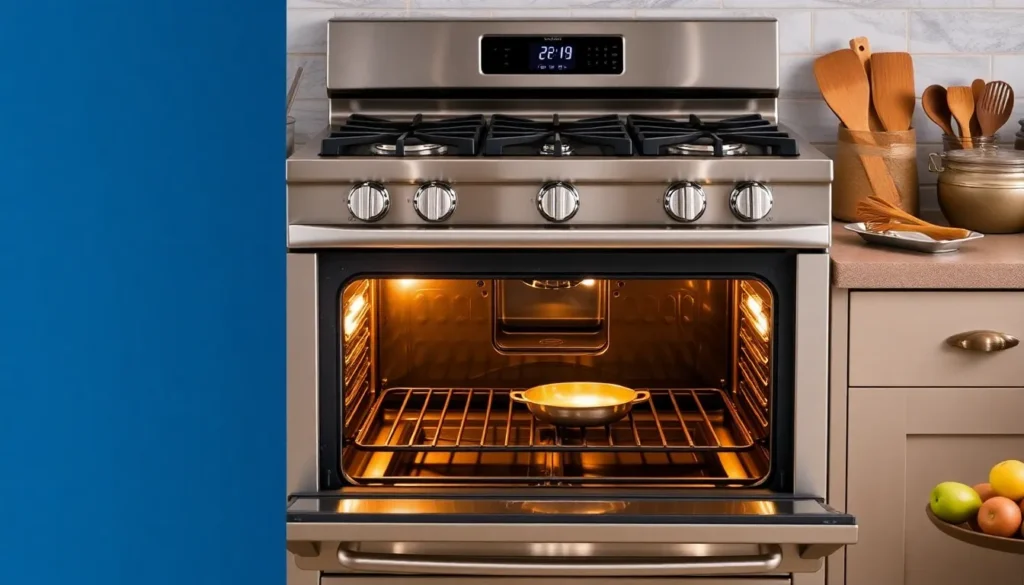
A dual fuel range is a type of kitchen cooking appliance that integrates a gas cooktop with an electric oven within a single unit. This hybrid design leverages the advantages of both gas and electric energy sources to optimize cooking performance. Typically, the cooktop uses gas burners, prized for immediate temperature control and visual flame feedback, while the oven uses electric heating elements, valued for consistent and even heat distribution during baking and roasting.
Detailed Explanation
Dual fuel ranges are designed to provide culinary versatility by combining two distinct cooking technologies. Gas cooktops allow users to adjust heat levels quickly and precisely, which is beneficial for tasks such as boiling, sautéing, and simmering. Meanwhile, electric ovens tend to maintain more uniform temperatures, which aids in baking and roasting with improved consistency. This combination caters to both stovetop and oven cooking needs, making dual fuel ranges popular among serious home cooks and professional chefs.
How It Works
The dual fuel range operates by connecting to two separate energy sources: a natural gas or propane supply for the cooktop and an electrical outlet for the oven. The gas burners utilize controlled combustion to produce an open flame, offering immediate heat adjustment. The electric oven employs resistive heating elements, often coupled with convection fans, to evenly distribute heat inside the oven cavity. Controls for each section are usually integrated into a common panel, allowing seamless operation of both components.
Examples
- Freestanding Dual Fuel Range: A standalone unit that can be installed anywhere with appropriate gas and electrical hookups.
- Slide-in Dual Fuel Range: Designed to fit flush with cabinetry for a built-in appearance, often used in contemporary kitchens.
- Professional or Commercial Dual Fuel Range: Larger and more robust models catering to high-volume cooking environments.
Why It Matters
Choosing a dual fuel range can enhance the cooking experience by offering the precision of gas for stovetop tasks and the consistent baking performance of electric ovens. This combination meets diverse cooking requirements and can improve culinary outcomes, especially for complex recipes requiring both stovetop techniques and oven baking. Moreover, dual fuel ranges may provide energy efficiency advantages depending on local utility costs and personal cooking habits.
Common Misconceptions
Misconception: Dual fuel ranges use both gas and electricity simultaneously for all cooking tasks.
Correction: Typically, the gas is used exclusively for the cooktop burners, while electricity powers the oven. They do not operate simultaneously for the same cooking function.
Misconception: Dual fuel ranges are significantly more expensive to operate than single-fuel appliances.
Correction: Operating costs depend on local gas and electricity prices, as well as usage patterns. Some users may find cost benefits due to the efficiency of each fuel source in its respective application.
Pros and Cons
- Precise heat control on gas cooktop
- Requires both gas and electrical connections, complicating installation
- Generally higher upfront cost compared to single-fuel ranges
- Potential maintenance complexity due to dual fuel systems
Comparison Table
| Aspect | Dual Fuel Range | All-Gas or All-Electric Range |
|---|---|---|
| Meaning | Gas cooktop with electric oven | Single energy source for both cooktop and oven |
| Heat Control | Precise on cooktop; consistent in oven | Varies; gas ranges have precise cooktop control but less consistent ovens; electric ranges have consistent ovens but slower cooktops |
| Installation | Requires gas and electrical hookups | Requires either gas or electrical hookup |
| Cost | Typically higher upfront cost | Generally less expensive upfront |
| Maintenance | More complex due to dual systems | Simpler maintenance with one fuel source |
Decision Checklist
- Use this if you want the precision of gas cooking combined with the baking consistency of electric ovens.
- Avoid this if you only have access to one fuel source or are limited by installation constraints.
- Check this first your kitchen’s utility access to ensure both gas and electric connections are available.
What is the easiest way to understand a Dual Fuel Range?
Think of a dual fuel range as a hybrid kitchen appliance that uses gas for the stovetop burners to give you quick and precise flame control, while using electricity for the oven to provide stable, even heat for baking and roasting.
FAQ
What is a dual fuel range?
A dual fuel range is a kitchen appliance that combines a gas cooktop with an electric oven, allowing for precise stovetop heat control and consistent oven baking.
Why choose a dual fuel range over single fuel models?
Dual fuel ranges offer the advantages of gas burners for quick heat adjustments and electric ovens for even temperature distribution, providing improved cooking versatility.
What are the installation requirements for a dual fuel range?
Installation requires access to both a gas supply and an electrical outlet, which may involve professional setup to meet safety standards.


Leave a Reply