
Short Answer
Overview
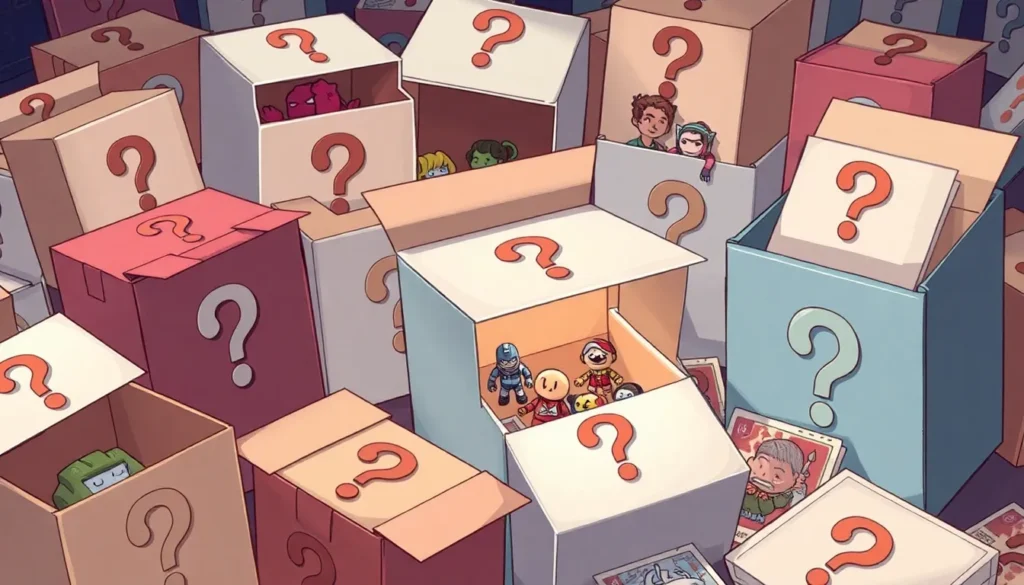
A blind box is a type of packaging typically used for collectible items, toys, or merchandise, in which the specific item contained inside is unknown to the purchaser at the time of purchase. This sealed packaging creates an element of surprise and randomness, as buyers do not know which variant or character they will receive until the box is opened. Blind boxes are distinct from standard product packaging because the contents are deliberately concealed to encourage repeated purchases and engagement through chance.
Detailed Explanation
Blind boxes are often employed in markets related to collectibles, such as figurines, trading cards, stickers, and other novelty items. The concept plays on the psychological appeal of surprise and the desire to complete a set or obtain rare variants. Items in blind boxes can vary by design, rarity, or theme, and manufacturers often assign probabilities to different variants, making some items more sought after than others. While blind boxes have roots in trading card packs and capsule toys, their use has expanded globally across multiple product categories.
How It Works
When a consumer purchases a blind box, the box is sealed and labeled only with general branding or series information, without revealing the specific item inside. The contents are randomized according to a predetermined distribution, which means buyers could receive common, uncommon, or rare items. The manufacturer typically produces multiple variants of a collectible, and the blind box acts as a randomized container to distribute these variants. Opening the box reveals the item, which may motivate further purchases in an effort to collect additional or rare variants. Some sellers and collectors trade items to complete sets or obtain particular pieces.

Examples
- Blind Box Figurines: Small collectible figurines produced by companies like Funko or Kidrobot are often sold in blind boxes, where each figure corresponds to a character or design variant.
- Trading Card Packs: While not always called blind boxes, trading card packs operate on a similar principle where the cards inside are unknown until opened, and rarity plays a key role.
- Capsule Toys (Gachapon): Common in Japan and other countries, capsule toys are dispensed in sealed containers from vending machines, with the specific toy inside unknown until opened.
Why It Matters
Blind boxes represent an innovative marketing and distribution strategy that capitalizes on consumer interest in surprise and collection. This approach influences purchasing behavior and can create communities around collecting, trading, and completing sets. Additionally, blind boxes have economic implications for manufacturers and retailers by encouraging repeat sales and managing inventory through randomized distribution.
Common Misconceptions
Misconception: All blind boxes guarantee rare or valuable items.
Correction: Blind boxes often contain a mix of common and rare items, with no guarantee of obtaining rare variants in a single purchase.
Misconception: Blind boxes are a form of gambling.
Correction: While blind boxes involve chance and randomness, they typically do not meet legal definitions of gambling, although regulatory scrutiny varies by jurisdiction.
Pros and Cons
Pros: Encourages consumer engagement through surprise; promotes collecting and trading; can increase sales through repeat purchases; adds excitement and novelty to product experience.
Cons: Can lead to consumer frustration due to uncertainty; risk of overspending to obtain desired items; potential for perceived exploitation if rare items are too scarce; regulatory concerns in some regions.
Comparison Table
| Aspect | Blind Box | Alternative/Related Topic |
|---|---|---|
| Meaning | A sealed container with unknown collectible contents revealed only after purchase. | Standard Packaging: Contents are visible, and the buyer knows exactly what is purchased. |
| Purchase Motivation | Driven by surprise and chance of rare items. | Driven by specific item selection and known characteristics. |
| Consumer Experience | Excitement of discovery; potential for repeated purchases. | Predictability; no element of surprise. |
| Risk | Uncertainty of item; possible dissatisfaction. | Low risk; buyer obtains desired product. |
Decision Checklist
What is the easiest way to understand Blind Boxes?
The simplest way to grasp the concept of a blind box is to think of it as a mystery gift, where the packaging does not reveal the specific item inside, creating a sense of surprise and chance upon opening.
FAQ
What is the difference between a blind box and a blind bag?
A blind box is usually a sealed box containing an unknown item, while a blind bag is a sealed plastic or foil bag. Both conceal contents, but packaging format differs.
Are blind boxes considered gambling?
Blind boxes involve chance, but they generally do not meet legal definitions of gambling. However, some jurisdictions regulate them due to their similarity to gambling mechanics.
Can I return or exchange items from a blind box?
Return and exchange policies vary by retailer and manufacturer. Often, blind box items are non-returnable due to their randomized nature, but some companies allow trading or returns under specific conditions.



Leave a Reply