
Short Answer
Overview
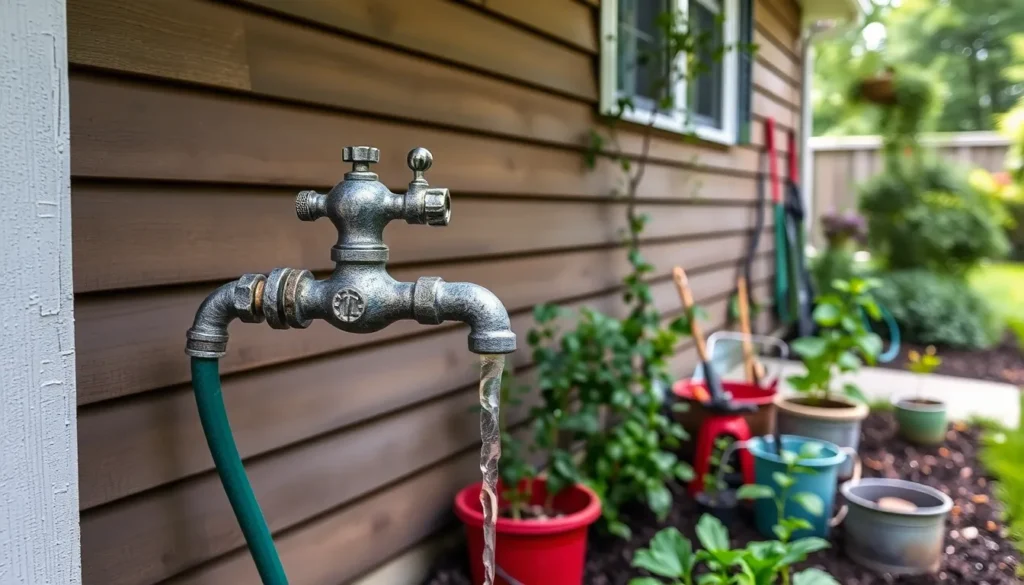
A hose bibb, also known as a sillcock or outdoor faucet, is a valve installed on the exterior of a building to provide access to water outside. It is designed primarily for connecting a garden hose and controlling the flow of water for outdoor tasks such as irrigation, car washing, or cleaning. Hose bibbs are typically made of durable metals like brass or stainless steel and feature a threaded spout to attach hoses securely.
Detailed Explanation
Hose bibbs serve as the outdoor water supply point, often connected to the indoor plumbing system. They include a valve mechanism that allows users to turn water flow on or off easily. The design usually incorporates a backflow prevention feature or vacuum breaker to prevent contaminated water from flowing back into the main water supply, complying with plumbing codes in many regions. Hose bibbs come in various styles, including frost-free models that prevent freezing in colder climates by locating the valve deeper inside the building.
How It Works
The hose bibb operates through a simple valve controlled by a handle or knob. When turned, the valve opens or closes the passage, allowing water to flow out or stopping it. Water pressure from the indoor plumbing system pushes water through the hose bibb, where it can be directed via an attached garden hose or left flowing freely. The threaded outlet ensures a tight connection to prevent leaks. In frost-free versions, the valve is positioned beyond the exterior wall and away from the cold, reducing the risk of pipe bursts during winter.
Examples
- Standard Hose Bibb: A basic outdoor faucet with a threaded spout and a simple on/off valve, commonly found in temperate climates.
- Frost-Free Hose Bibb: Designed with an extended stem to locate the valve inside the heated area of the house, preventing freezing.
- Anti-Siphon Hose Bibb: Includes a built-in vacuum breaker to prevent backflow contamination of potable water.
Why It Matters
The hose bibb is an essential component for residential and commercial water management outdoors. It provides convenient access to water for gardening, cleaning, and other activities without entering the building. Properly installed hose bibbs contribute to water conservation by allowing precise control of water use. Additionally, features like frost protection and backflow prevention enhance plumbing system safety and durability.
Common Misconceptions
Misconception: A hose bibb is the same as an indoor faucet.
Correction: While both control water flow, a hose bibb is specifically designed for outdoor use with features such as weather resistance and threaded outlets for hoses.
Misconception: All hose bibbs automatically prevent freezing.
Correction: Only frost-free hose bibbs have design elements to prevent freezing; standard models can freeze in cold weather if not drained or protected.
Pros and Cons
Pros:
- Provides convenient outdoor water access.
- Enables easy connection to garden hoses.
- Frost-free models reduce risk of pipe damage in winter.
- Anti-siphon versions protect water supply from contamination.
Cons:
- Standard models are vulnerable to freezing in cold climates.
- Improper installation can lead to leaks or water damage.
- Can be a source of water waste if left running or leaking.
Comparison Table
| Aspect | Hose Bibb | Indoor Faucet |
|---|---|---|
| Meaning | Outdoor valve for connecting garden hoses and controlling water flow. | Indoor fixture for dispensing water, usually without hose attachment. |
| Location | Exterior wall of building. | Inside buildings, typically kitchens, bathrooms. |
| Design Features | Threaded spout, often frost-free and anti-siphon options. | No threading for hoses, designed for direct water use. |
| Primary Use | Outdoor watering, cleaning, irrigation. | Indoor water access for personal hygiene, cooking. |
Decision Checklist
What is the easiest way to understand a Hose Bibb?
Think of a hose bibb as the outdoor water tap on your house that lets you easily connect a garden hose to water plants or wash your car. It acts just like an indoor faucet but is built to withstand outdoor conditions and often includes features to prevent freezing or backflow.
FAQ
What is the difference between a hose bibb and a sillcock?
The terms hose bibb and sillcock are often used interchangeably to describe an outdoor faucet. However, sillcock typically refers to the valve assembly installed through the exterior wall, while hose bibb refers to the spout or faucet part accessible outside.
Can I leave my hose bibb connected in winter?
Leaving a hose connected during winter can cause water to freeze inside the hose bibb, potentially damaging the valve and pipes. It is recommended to disconnect hoses and use frost-free hose bibbs in cold climates.
Why does my hose bibb leak even when turned off?
A leaking hose bibb usually indicates a worn washer or valve seat inside the faucet. Replacing these parts or the entire hose bibb can resolve the leak.



Leave a Reply