
Short Answer
Overview
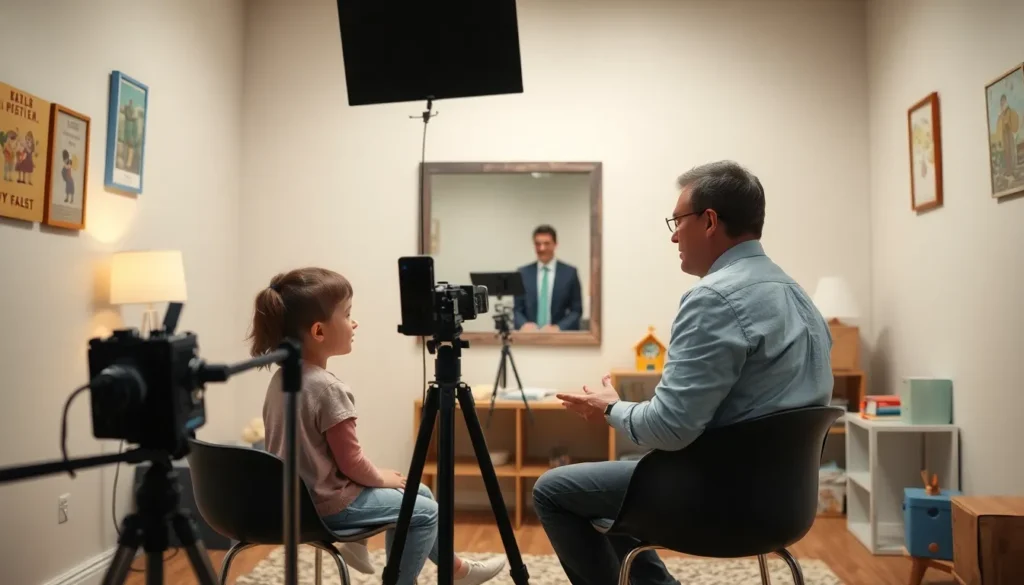
A forensic interview is a formal, structured conversation conducted by specially trained professionals to collect accurate and reliable information from individuals, particularly children, who may have experienced or witnessed criminal activities such as abuse or neglect. The primary goal is to obtain factual accounts while minimizing additional trauma to the interviewee. Forensic interviews are commonly used in legal, child protective, and law enforcement contexts to inform investigations and judicial proceedings.
Detailed Explanation
Forensic interviews differ from casual or therapeutic conversations by adhering to specific protocols designed to ensure the integrity and admissibility of the information obtained. These interviews typically involve open-ended questions and avoid leading or suggestive prompts to reduce the risk of contamination or false memories. Interviewers are trained to establish rapport, provide a supportive environment, and use developmentally appropriate language, especially when interviewing children. The process aims to balance the need for thorough information gathering with the ethical obligation to protect the interviewee’s well-being.
How It Works
The forensic interview process usually begins with an introduction explaining the purpose and rules of the interview, including confidentiality limits. Interviewers employ techniques such as narrative prompts where the interviewee is encouraged to recount events in their own words. The use of standardized protocols, such as the National Institute of Child Health and Human Development (NICHD) protocol, helps guide the interview structure. Sessions are often recorded or observed to maintain transparency and allow for review. Interviewers avoid suggestive questioning, repeated questioning, or pressure, which could influence responses. The information gathered is then documented and used by investigators, social workers, or legal professionals.
Examples
- A child suspected of being a victim of abuse is interviewed by a forensic interviewer trained in child psychology and legal standards to obtain a clear, unbiased account of the alleged events.
- In a case of elder abuse, a forensic interview may be conducted to assess the elder’s account of mistreatment without causing distress or confusion.
- Witnesses to a crime, such as a robbery or assault, may be interviewed using forensic techniques to ensure their statements are reliable and can be used in court.
Pros and Cons
Pros: Forensic interviews can provide reliable, legally admissible information; protect vulnerable individuals from repeated trauma; and help clarify facts essential to investigations.
Cons: The process can be time-consuming and requires specialized training; if not conducted properly, it can lead to inaccurate or coerced testimony; and it may still cause emotional distress despite careful protocols.
Comparison Table
| Aspect | Forensic Interview | Alternative/Related Topic: Therapeutic Interview |
|---|---|---|
| Meaning | Structured, investigative interview to gather factual information for legal or protective purposes | Conversation aimed at emotional support and healing rather than fact-finding |
| Purpose | Obtain accurate and legally admissible testimony | Help individual process feelings and trauma |
| Techniques | Use of open-ended questions, standardized protocols, minimal suggestiveness | Open dialogue, empathy, and psychological support |
| Interviewee Impact | Minimize trauma while focusing on factual accuracy | Prioritize emotional well-being over factual accuracy |
Decision Checklist
- Use this if you need to gather accurate, legally admissible information from individuals who may have witnessed or experienced a crime.
- Avoid this if the primary goal is emotional support or therapy rather than fact-finding.
- Check this first whether the interviewer is properly trained and the interview setting is appropriate to reduce distress and maximize accuracy.
What is the easiest way to understand a Forensic Interview?
The easiest way to understand a forensic interview is to view it as a carefully controlled conversation designed to help someone tell their story about a sensitive or criminal event in a way that is accurate, clear, and respectful, ensuring the information can be used responsibly in investigations or court proceedings.
FAQ
Who conducts forensic interviews?
Forensic interviews are conducted by trained professionals such as forensic interviewers, social workers, psychologists, or law enforcement officers who have received specialized training to conduct these sensitive interviews appropriately.
How are forensic interviews different from regular interviews?
Forensic interviews are structured to avoid leading questions and minimize trauma, focusing on obtaining accurate and legally admissible information, whereas regular interviews may not follow these strict protocols.
Are forensic interviews recorded?
Yes, forensic interviews are often audio or video recorded to ensure accuracy, allow for review by investigators or legal personnel, and maintain transparency in the process.




Leave a Reply