
Short Answer
Overview
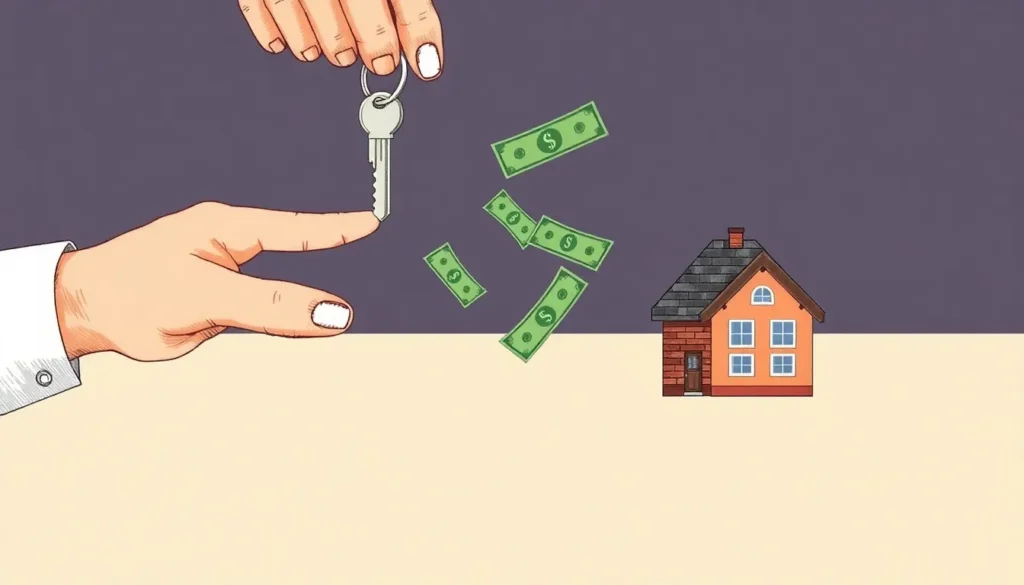
A swing loan is a type of short-term loan designed to provide temporary financing, usually in the context of real estate transactions. It is used to bridge the financial gap between buying a new property and selling an existing one. Unlike traditional loans with longer terms, swing loans typically have short durations—often ranging from a few weeks to a few months—and are repaid quickly once the borrower’s previous property is sold or other financing is secured.
Detailed Explanation
Swing loans are primarily aimed at homebuyers who want to purchase a new home before selling their current residence. This financing option helps borrowers avoid the need to sell first or wait until the sale closes to access funds for the new purchase. The loan amount may cover the down payment or the entire cost of the new property, depending on the borrower’s situation and lender terms.
These loans are often characterized by higher interest rates and fees compared to traditional mortgages because of their short-term nature and increased risk to the lender. The repayment of a swing loan usually depends on the sale of the existing property, which acts as collateral or a financial trigger for loan payoff.
How It Works
Typically, a borrower applies for a swing loan through a financial institution or a specialized lender. Upon approval, the loan provides immediate funds to facilitate the purchase of the new property. The borrower then lists the existing home for sale and, once sold, uses the proceeds to repay the swing loan.
In some cases, the swing loan may be structured as a bridge loan or combined with other financing methods. The terms often specify the loan duration, interest rates, fees, and conditions for repayment. If the existing property does not sell within the agreed period, the borrower may need to refinance or renegotiate the loan.
Examples
- A homeowner wants to buy a new house but has not yet sold their current home. They obtain a swing loan to cover the down payment on the new property, planning to repay it once the old house sells.
- An investor purchases a property intending to renovate and resell it quickly. They use a swing loan to finance the initial purchase, repaying it after the resale is complete.
- A buyer finds a desirable property that requires immediate purchase. They secure a swing loan to avoid losing the opportunity while their existing home is still on the market.
Pros and Cons
- Pros:
- Provides quick access to funds for new property purchases.
- Allows homeowners to buy before selling, avoiding contingent offers.
- Facilitates smoother real estate transactions in competitive markets.
- Cons:
- Typically involves higher interest rates and fees than conventional loans.
- Short repayment period can be risky if the existing home does not sell promptly.
- May require strong credit or additional collateral to qualify.
Comparison Table
| Aspect | Swing Loan | Bridge Loan |
|---|---|---|
| Meaning | Short-term loan to cover purchase before selling an existing property. | Short-term financing to bridge gap between transactions, often more flexible. |
| Duration | Typically a few weeks to a few months. | Usually up to 12 months but can vary. |
| Interest Rates | Generally higher due to short term and risk. | Typically high but may vary based on lender and terms. |
| Purpose | Facilitates simultaneous buy and sell transactions. | Used to cover financing gaps during property transitions or renovations. |
Decision Checklist
- Use this if you need temporary funds to purchase a new home before your current one sells.
- Avoid this if you have uncertain prospects of selling your existing property quickly or if you cannot afford higher interest rates.
- Check this first whether your credit profile and financial situation qualify you for such short-term financing and understand the loan’s terms thoroughly.
What is the easiest way to understand Swing Loan?
Think of a swing loan as a financial “bridge” that helps you move from one home to another without waiting to sell your current house first. It temporarily “swings” your finances forward to cover the new purchase until your old property sells, allowing for smoother transitions in real estate deals.
FAQ
What is the main purpose of a swing loan?
The primary purpose of a swing loan is to provide temporary financing to buyers who want to purchase a new property before selling their existing one, effectively bridging the financial gap between transactions.
How long does a swing loan typically last?
Swing loans usually have a short duration, commonly ranging from a few weeks to several months, depending on the terms agreed upon with the lender.
Are swing loans more expensive than traditional mortgages?
Yes, swing loans generally have higher interest rates and fees compared to conventional mortgages due to their short-term nature and the increased risk to lenders.




Leave a Reply