
Short Answer
Overview
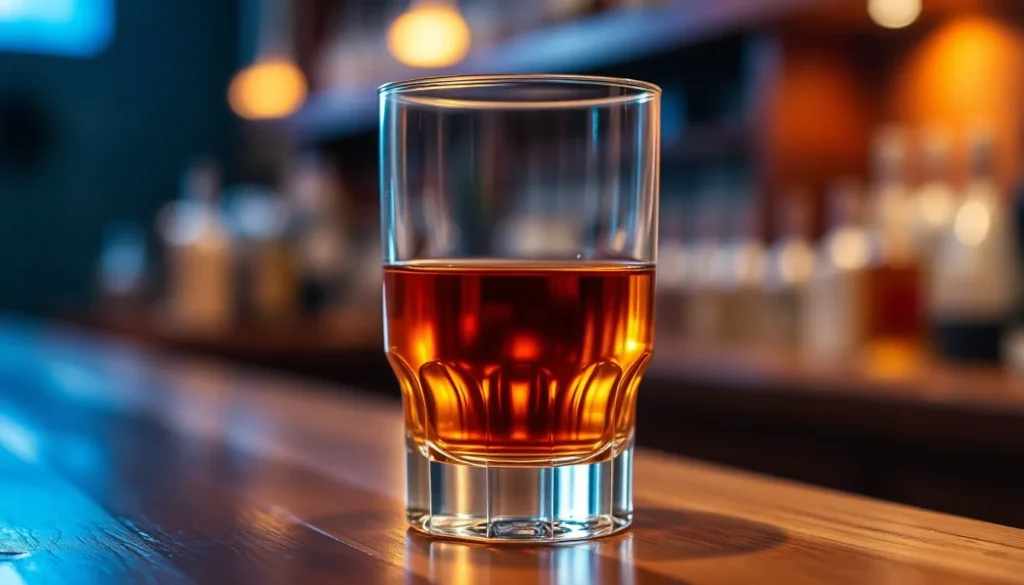
A whiskey neat refers to a serving style of whiskey where the spirit is poured directly into a glass without any dilution, ice, or mixers. This presentation emphasizes the whiskey’s natural flavors, aromas, and characteristics, allowing the drinker to experience the spirit in its purest form. The term “neat” originates from bartending terminology and is commonly used in bars and restaurants worldwide.
Detailed Explanation
Whiskey neat means that the whiskey is served at room temperature, typically in a standard whiskey glass such as a tumbler or a Glencairn glass. Unlike whiskey on the rocks, which includes ice cubes, or whiskey with water or other mixers, neat whiskey is undiluted and unchilled. This serving style is favored by those who wish to appreciate the complex notes and textures of the whiskey without alteration.
How It Works
When whiskey is served neat, the full range of its flavors and aroma compounds is preserved. Because it is not diluted, the alcohol content remains at its original strength, which can range from about 40% to over 50% alcohol by volume (ABV). The absence of dilution means the whiskey’s taste may be more intense or even harsh to some drinkers. However, enthusiasts often prefer neat whiskey as it allows for a direct sensory experience, enabling the detection of subtle flavors and nuances.
Examples
- Bourbon neat: A popular American whiskey served neat often features notes of caramel, vanilla, and oak.
- Scotch whisky neat: A single malt Scotch served neat highlights flavors like peat, smoke, fruit, or maltiness depending on the distillery.
- Irish whiskey neat: Typically lighter and smoother, Irish whiskey served neat offers floral and sweet undertones.
Pros and Cons
- Pros: Provides the purest taste experience; preserves original aroma and flavor; no dilution affects the whiskey’s character.
- Cons: High alcohol content may be overwhelming; some may find the flavor too strong or harsh; not as refreshing as diluted options.
Comparison Table
| Aspect | Whiskey Neat | Whiskey on the Rocks |
|---|---|---|
| Meaning | Whiskey served plain without additives or ice. | Whiskey served with ice cubes, causing dilution as ice melts. |
| Temperature | Room temperature. | Chilled by ice. |
| Flavor Impact | Full strength, undiluted flavor and aroma. | Softer, diluted flavor as ice melts. |
| Alcohol Strength | Original ABV maintained. | Reduced ABV due to melting ice. |
Decision Checklist
- Use this if you want to experience whiskey’s full flavor profile.
- Avoid this if you prefer a milder taste or are sensitive to high alcohol content.
- Check first if the whiskey is of a quality or style you enjoy neat, as some whiskeys may benefit from dilution.
What is the easiest way to understand Whiskey Neat?
Think of whiskey neat as simply pouring whiskey into a glass and drinking it as is—no ice, no mixers, no water—just the whiskey itself at room temperature, showcasing its purest form.
FAQ
What does 'neat' mean in whiskey terms?
'Neat' means whiskey served plain, without any ice, water, or mixers, typically at room temperature.
Is whiskey neat the same as straight whiskey?
No, 'neat' refers to how the whiskey is served, while 'straight whiskey' refers to a category of whiskey made by specific production standards.
Why do some people prefer whiskey neat?
Many prefer whiskey neat to experience the full flavor and aroma of the spirit without dilution or temperature changes.




Leave a Reply