
Short Answer
Overview
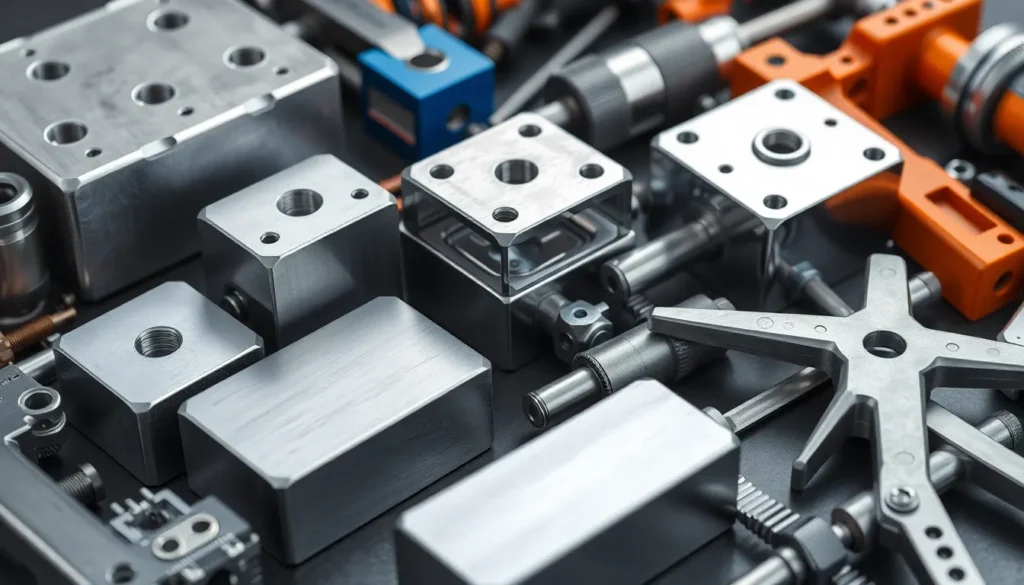
Light metals that are durable are materials characterized by their low density and ability to withstand mechanical stress, corrosion, and wear over time. These metals are extensively used in industries where weight reduction is critical without compromising strength or longevity, such as aerospace, automotive, and construction.
Detailed Explanation
Durability in metals generally refers to resistance against deformation, fatigue, corrosion, and environmental factors. Light metals typically have a density lower than that of iron or steel, which makes them advantageous for applications requiring weight efficiency. The durability of these metals can be enhanced through alloying and heat treatment processes that improve their mechanical properties and corrosion resistance.
How It Works
The durability of light metals is influenced by their atomic structure and the presence of alloying elements. For example, aluminum forms a natural oxide layer that protects it from corrosion. Titanium exhibits high strength-to-weight ratio due to its hexagonal close-packed crystal structure and strong atomic bonds. Alloying elements like magnesium, zinc, and copper further increase strength and hardness without significantly increasing weight. The combination of low density and enhanced strength allows these metals to perform well under mechanical stress while remaining lightweight.
Examples
- Aluminum: Widely used due to its low density (about 2.7 g/cm³), corrosion resistance, and good strength when alloyed. Common in aircraft, packaging, and automotive industries.
- Titanium: Known for its excellent strength-to-weight ratio and corrosion resistance, making it suitable for aerospace, medical implants, and high-performance engineering.
- Magnesium: One of the lightest structural metals, valued for its weight but less durable than aluminum or titanium unless alloyed and treated.
Why It Matters
Light, durable metals contribute to energy efficiency, reduced emissions, and improved performance in transportation and structural applications. By lowering the overall weight of vehicles or equipment, fuel consumption decreases, and handling improves. Additionally, their resistance to corrosion and wear extends service life and reduces maintenance costs.
Common Misconceptions
Misconception: All light metals are weak and not suitable for structural uses.
Correction: Many light metals, especially when alloyed and processed, offer high strength and durability suitable for demanding applications.
Misconception: Titanium is always superior to aluminum in all applications.
Correction: While titanium has higher strength and corrosion resistance, aluminum is more cost-effective and easier to process for many uses.
Pros and Cons
Comparison Table
| Aspect | Light Metal (e.g., Aluminum) | Alternative (Steel) |
|---|---|---|
| Meaning | Metal with low density and good strength | Heavier metal with high strength and durability |
| Density (g/cm³) | 2.7 (Aluminum) | 7.8 (Steel) |
| Corrosion Resistance | High (with oxide layer) | Lower, prone to rust |
| Cost | Moderate to high | Generally lower |
| Strength | Moderate to high (with alloys) | Very high |
Decision Checklist
- Use this if … weight reduction and corrosion resistance are priorities in your application.
- Avoid this if … cost constraints are strict or extremely high strength is the only concern.
- Check this first … the specific mechanical and environmental requirements before selecting a light metal.
What is the easiest way to understand a light metal that is durable?
Think of a light metal that is durable as a material that combines the benefits of being lightweight—making objects easier to move or more fuel-efficient—while still maintaining enough strength and resistance to damage or corrosion to last through harsh conditions. This balance is why metals like aluminum and titanium are chosen for airplanes, cars, and other critical applications.
FAQ
What makes a metal both light and durable?
A metal is considered light when it has low density, and it is durable when it has high strength, corrosion resistance, and fatigue resistance. The combination of these properties often results from the metal's atomic structure and can be enhanced by alloying and processing techniques.
Is aluminum a durable metal?
Yes, aluminum is durable especially when alloyed and treated. It has good corrosion resistance due to its natural oxide layer and offers sufficient strength for many structural applications.
Why is titanium more expensive than aluminum?
Titanium is more expensive because it is more difficult to extract and process due to its reactivity and strong atomic bonds. Its production requires specialized equipment and energy-intensive methods, which increase its cost.



Leave a Reply