
Short Answer
Overview
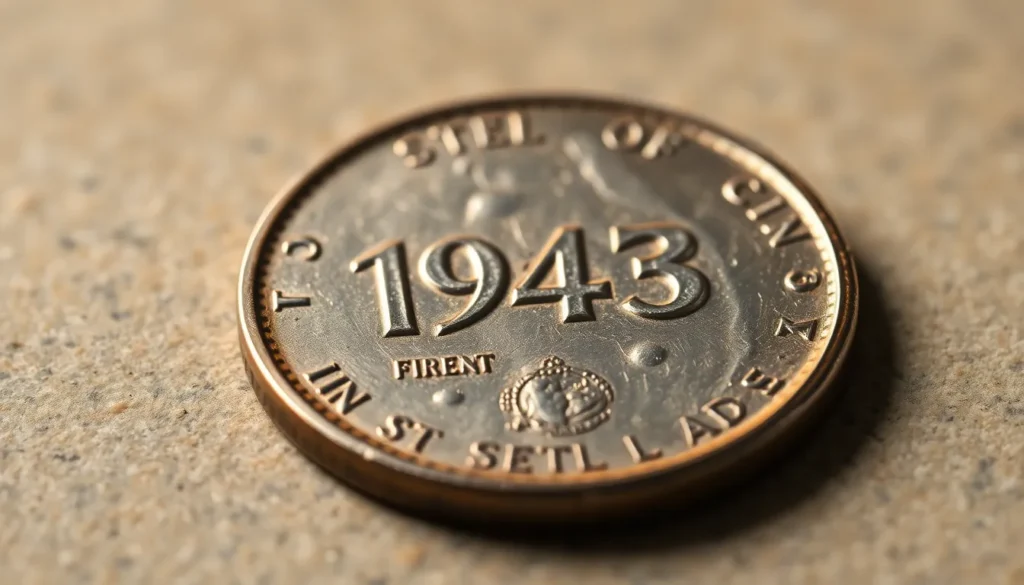
The 1943 steel penny, officially known as the 1943 steel cent, was minted by the United States Mint during World War II. Due to the wartime need to conserve copper for ammunition and other military equipment, pennies were made from zinc-coated steel instead of the usual copper. This change resulted in a distinct coin that stands out in American numismatics. The worth of a 1943 steel penny varies significantly, depending on factors such as condition, mint mark, and rarity of any anomalies.
Detailed Explanation
In 1943, the U.S. Mint produced approximately 1.8 billion steel pennies. These coins are composed primarily of steel with a thin zinc coating to prevent corrosion. The steel penny has a silvery appearance, unlike the typical copper color of other pennies. While most 1943 steel pennies are common and therefore of nominal value, some specific variations, including mint errors or rare copper pennies mistakenly struck in 1943, can command substantial premiums.
Condition plays a critical role in valuation. Uncirculated or mint-condition steel pennies are more valuable than those with wear or corrosion. Additionally, pennies with mint marks from different mints (Philadelphia, Denver, San Francisco) can differ in rarity and value. The most notable and valuable error coins are the 1943 copper pennies, which were mistakenly struck on copper planchets and are exceedingly rare.
How It Works
The value of a 1943 steel penny is influenced by supply and demand in the collectors’ market. Common steel pennies in circulated condition generally have little monetary value above face value. However, collectors seek high-grade specimens that retain their original luster and are free of damage. Error coins, such as the rare 1943 copper penny or double-struck steel pennies, are highly sought after and can be worth thousands or even hundreds of thousands of dollars.
Certification by professional grading services also affects value, as authenticated and graded coins provide assurance of authenticity and condition. The market for these coins fluctuates based on collector interest, historical significance, and rarity.
Examples
- A typical circulated 1943 steel penny may be worth between 10 to 50 cents.
- An uncirculated 1943 steel penny graded MS-65 (Mint State 65) by a professional grading service can be valued at $10 to $50 or more.
- A 1943 steel penny with a mint error, such as a double strike or off-center strike, can fetch hundreds or thousands of dollars depending on the severity and visibility of the error.
- The rare 1943 copper penny is one of the most valuable error coins in U.S. history, with examples selling for hundreds of thousands of dollars at auction.
Why It Matters
The 1943 steel penny is an important piece of American numismatic history, representing a unique response to wartime material shortages. It reflects how economic and military conditions can influence coinage and currency. For collectors, it offers a tangible connection to World War II era and serves as a case study in minting anomalies and market valuation of coins.
Common Misconceptions
Misconception: All 1943 steel pennies are highly valuable.
Correction: Most 1943 steel pennies are common and typically worth only a small premium over face value unless they are in exceptional condition or are rare errors.
Misconception: The 1943 steel penny is made of pure steel.
Correction: The coin is composed of steel coated with a thin layer of zinc to prevent rusting, not pure steel.
Pros and Cons
Pros:
- Historically significant as a World War II-era coin.
- Unique appearance differentiates it from other pennies.
- Potentially valuable in uncirculated condition or with rare errors.
Cons:
- Most examples have minimal monetary value.
- Steel composition makes them prone to rust and damage if not stored properly.
- Confusion with more valuable copper 1943 pennies can mislead collectors.
Comparison Table
| Aspect | 1943 Steel Penny | 1943 Copper Penny |
|---|---|---|
| Meaning | Steel cent made during copper shortage in WWII. | Error coin struck on copper planchet, extremely rare. |
| Material | Steel core with zinc coating. | Copper. |
| Commonality | Very common, billions minted. | Very rare, few known. |
| Typical Value | Face value to a few dollars. | Hundreds of thousands of dollars. |
Decision Checklist
What is the easiest way to understand 1943 Steel Penny Worth?
The simplest way to understand the worth of a 1943 steel penny is to recognize that while most are common and low in value, exceptions exist for coins in pristine condition or with rare errors. Consulting a reputable coin guide or professional grading service can help clarify a coin’s true market value.
FAQ
Why were 1943 pennies made of steel?
In 1943, copper was needed for wartime materials during World War II, so the U.S. Mint produced pennies with a steel core coated in zinc to conserve copper for military use.
Are all 1943 steel pennies valuable?
No, most 1943 steel pennies are common and worth little more than their face value, though uncirculated specimens and rare errors can be significantly more valuable.
What makes a 1943 penny extremely valuable?
The extremely valuable 1943 pennies are copper pennies mistakenly struck on copper planchets instead of steel, which are rare error coins highly sought after by collectors.



Leave a Reply