
Short Answer
Overview
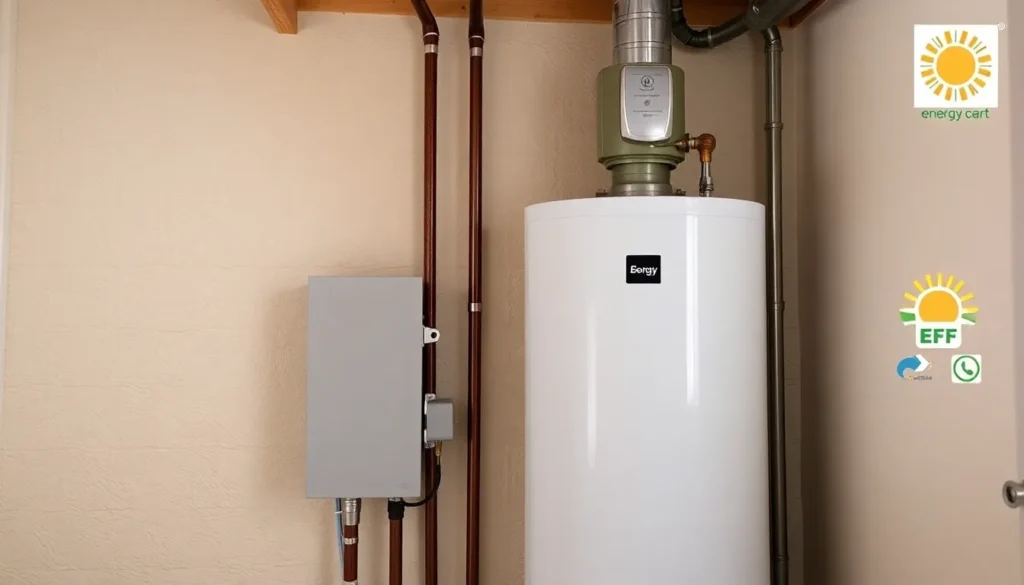
A hybrid water heater is a type of water heater that integrates electric resistance heating elements with heat pump technology to heat water more efficiently. Unlike conventional electric water heaters that generate heat directly, hybrid models extract heat from the surrounding air using a heat pump and transfer it to the water, reducing electricity consumption. These systems are designed to provide hot water while lowering energy costs and environmental impact.
Detailed Explanation
Hybrid water heaters combine two heating methods: the traditional electric element and a heat pump. The heat pump component works by drawing in ambient air, extracting its heat, and transferring that heat to the water in the tank. When ambient temperatures are too low or demand exceeds the heat pump’s capacity, the electric resistance elements activate to maintain the desired water temperature. This dual approach enables hybrid water heaters to operate with greater efficiency than standard electric models, especially in moderate to warm climates.
How It Works
The core technology behind a hybrid water heater is the heat pump, which operates similarly to an air conditioner or refrigerator but in reverse. It uses a refrigerant cycle involving compression and expansion to absorb heat from the air. The heat pump extracts heat from the surrounding environment, compresses it to increase its temperature, and then transfers this heat to the water stored in the tank. If the heat pump alone cannot meet the hot water demand or if the air temperature is too low, the electric resistance elements provide supplementary heating.
Examples
- Residential hybrid water heaters installed in homes to reduce electricity bills compared to standard electric models.
- Hybrid systems used in commercial settings such as small businesses or apartment complexes aiming to improve energy efficiency.
- Hybrid water heaters paired with solar photovoltaic panels to further enhance renewable energy use.
Pros and Cons
- Pros: Significantly more energy efficient than conventional electric water heaters; lower operating costs; environmentally friendlier due to reduced electricity consumption; can provide ample hot water when properly sized.
- Cons: Higher upfront cost compared to traditional electric water heaters; performance can decline in colder ambient temperatures; requires adequate space and ventilation for heat pump operation; may produce some noise during operation.
Comparison Table
| Aspect | Hybrid Water Heater | Traditional Electric Water Heater |
|---|---|---|
| Meaning | Combines heat pump technology with electric resistance heating for efficient water heating. | Uses only electric resistance elements to heat water directly. |
| Energy Efficiency | High, as it uses ambient heat to reduce electricity use. | Lower, electricity is fully consumed to generate heat. |
| Initial Cost | Higher due to advanced technology. | Lower upfront investment. |
| Operating Cost | Lower, due to reduced electricity consumption. | Higher, consistent electricity usage. |
| Performance in Cold Climates | Reduced efficiency; supplemental heating needed. | Unaffected by ambient temperature. |
Decision Checklist
- Use this if you want to reduce energy costs and live in a moderate to warm climate where ambient air can be leveraged efficiently.
- Avoid this if you reside in very cold climates without sufficient space or ventilation for the heat pump, or if initial cost is a primary concern.
- Check this first ensure your installation space has enough room and airflow for heat pump operation and verify local incentives or rebates that might offset costs.
What is the easiest way to understand a Hybrid Water Heater?
Think of a hybrid water heater as a system that acts like a refrigerator in reverse: it pulls heat from the air around it and pumps that heat into your water tank, using electricity only as a backup. This combination allows it to heat water efficiently, saving energy compared to traditional electric heaters that generate heat directly from electrical resistance.
FAQ
How does a hybrid water heater save energy?
A hybrid water heater saves energy by using a heat pump to extract heat from the surrounding air and transfer it to the water, which requires less electricity compared to generating heat directly with electric resistance elements.
Are hybrid water heaters suitable for cold climates?
Hybrid water heaters are less efficient in cold climates because the heat pump relies on ambient air temperature. In colder conditions, the electric resistance elements will run more frequently, reducing overall efficiency.
What maintenance does a hybrid water heater require?
Maintenance typically includes regular inspection of the heat pump components, cleaning or replacing air filters, checking the condensate drain, and occasional flushing of the water tank to prevent sediment buildup.





Leave a Reply