
Short Answer
Overview
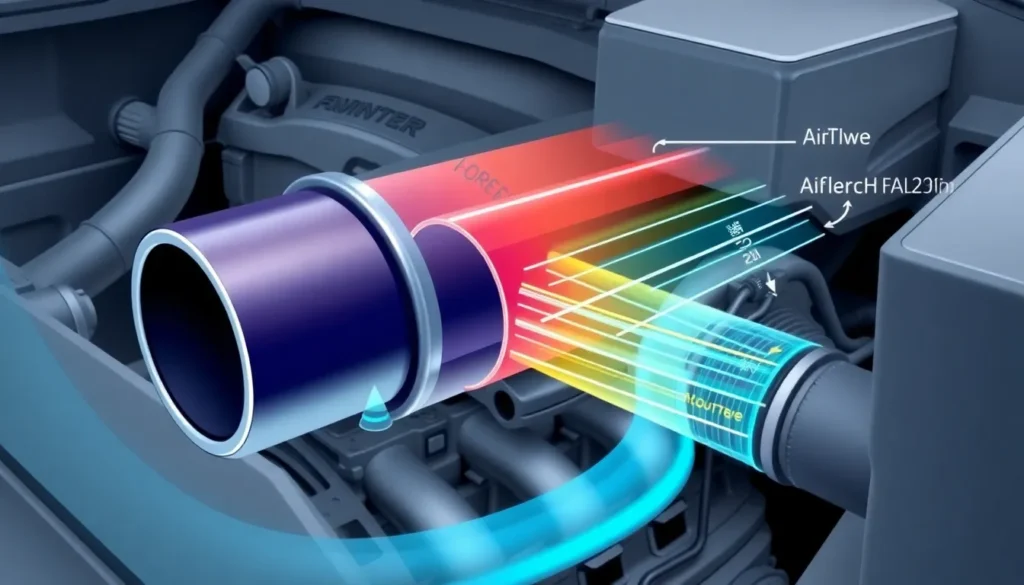
A mass flow rate intake restrictor is a component used primarily in internal combustion engines and other air intake systems to control the quantity of air entering the system. The primary function of such a restrictor is to limit the mass flow rate, which is the amount of air by mass passing through the intake per unit time. A good mass flow rate intake restrictor effectively balances restricting airflow to meet design or regulatory requirements while maintaining system efficiency and performance.
Detailed Explanation
The mass flow rate intake restrictor works by narrowing the airflow path, which results in a controlled reduction of air entering the engine or system. This limitation is quantified by the mass flow rate, typically measured in kilograms per second (kg/s) or pounds per minute (lb/min). The choice of restrictor size, shape, and material directly influences the airflow characteristics and thus the engine’s performance and emissions.
In automotive and motorsport contexts, intake restrictors are often used to comply with regulations that limit engine power by restricting air supply. This ensures fair competition and can impact fuel efficiency and emissions. In industrial applications, intake restrictors help protect components by preventing excessive airflow that might cause damage or reduce operational life.
How It Works
Airflow into an engine is governed by pressure differences, temperature, and the geometry of the intake path. A mass flow rate intake restrictor creates a deliberate bottleneck that limits the volume and density of air entering the system. This is often achieved through a calibrated orifice or a series of plates with specific hole sizes.
When air passes through the restrictor, it experiences a drop in pressure and velocity changes, which reduce the mass flow rate. The restrictor must be designed to minimize turbulence and pressure losses beyond what is necessary to achieve the desired restriction. The effectiveness of a restrictor is often evaluated by its flow coefficient, which relates the actual flow to the theoretical flow through an ideal orifice.
Examples
- Motorsport Air Intake Restrictors: In rally and endurance racing, restrictors with specific diameters limit engine air intake to control horsepower and maintain parity among competitors.
- Turbocharged Engine Restrictors: In some turbocharged engines, restrictors regulate air to prevent overboosting and protect the turbocharger and engine from damage.
- Industrial Combustion Systems: Intake restrictors control airflow to burners or gas turbines to optimize combustion efficiency and reduce emissions.
Why It Matters
Understanding and selecting a good mass flow rate intake restrictor is crucial for balancing engine or system performance with regulatory compliance and mechanical safety. Proper restriction ensures predictable power output, reduces the risk of component failure, and helps meet environmental standards. Conversely, poor restrictor design can cause engine inefficiencies, increased emissions, or even mechanical damage.
Common Misconceptions
Misconception: A smaller restrictor always improves engine efficiency.
Correction: While a smaller restrictor limits airflow, it can also reduce engine power and increase fuel consumption if the engine runs too rich or struggles to draw enough air.
Misconception: Restrictors are only used to reduce engine power.
Correction: While restriction often limits power, restrictors also serve to protect components, ensure safety, and maintain regulatory compliance in various applications.
Pros and Cons
Comparison Table
| Aspect | Mass Flow Rate Intake Restrictor | Alternative/Related Topic (Throttle Valve) |
|---|---|---|
| Meaning | Device limiting the mass of air entering a system by restricting flow area. | Valve controlling airflow by varying opening size, often for throttle control. |
| Primary Function | Regulate air mass flow rate to limit power or protect components. | Control engine power and speed by adjusting airflow volume. |
| Typical Use | Regulatory compliance, component protection, competition parity. | Driver or system controlled engine power modulation. |
Decision Checklist
- Use this if you need precise, fixed control over maximum airflow for compliance or safety.
- Avoid this if variable airflow control is required during operation.
- Check this first to ensure the restrictor size matches engine or system airflow requirements to avoid performance degradation.
What is the easiest way to understand a Mass Flow Rate Intake Restrictor?
The simplest way to understand a mass flow rate intake restrictor is to think of it as a sized opening that lets only a limited amount of air pass through, no matter how much the system tries to pull in air. This limitation helps maintain control over engine performance and safety by preventing too much air from entering.
FAQ
What determines the size of a mass flow rate intake restrictor?
The size is determined by the desired maximum mass flow rate, regulatory requirements, engine design, and performance goals. It must balance airflow restriction and engine efficiency.
Can a restrictor improve engine fuel efficiency?
Indirectly, a restrictor can help optimize combustion by controlling airflow, but if too restrictive, it may reduce efficiency due to inadequate air supply.
How is the effectiveness of an intake restrictor measured?
Effectiveness is measured using flow coefficients, pressure drop analysis, and by monitoring engine performance parameters such as power output and emissions.




Leave a Reply