
Short Answer
Overview
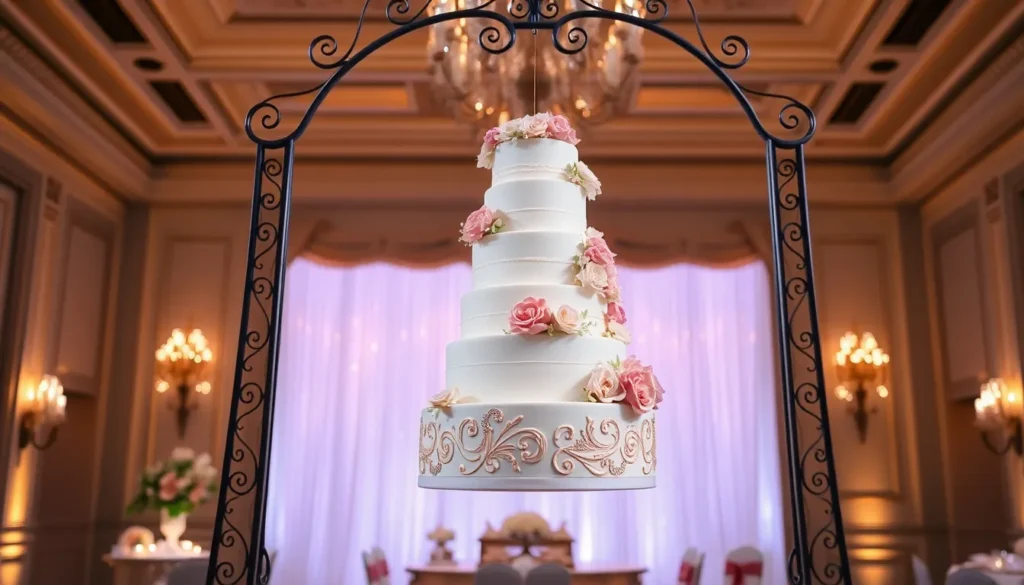
A hanging cake is a cake that is designed or constructed to be suspended or displayed in a way that it appears to be hanging or floating. This style of cake presentation is primarily used for decorative purposes in events such as weddings, parties, and exhibitions. Hanging cakes challenge traditional cake structures by incorporating engineering techniques and artistic design to create a visually impressive centerpiece.
Detailed Explanation
Unlike conventional cakes that rest on flat surfaces, hanging cakes are supported by rigs, stands, or other suspension methods that allow them to be displayed off the table or elevated above ground level. The concept involves careful consideration of the cake’s structural integrity, weight distribution, and the materials used both in the cake and its support mechanisms. Hanging cakes can vary in size, shape, and complexity, often comprising multiple tiers or layers that are interconnected or individually suspended.
How It Works
The construction of a hanging cake typically requires a sturdy internal framework that can support the weight of the cake layers. This may include the use of food-safe wires, rods, or specialized cake stands designed for suspension. The cake layers are either attached to this framework or balanced carefully to maintain stability while suspended. In some designs, lightweight cake materials or foam substitutes are used to reduce overall weight. The hanging mechanism must be securely anchored to a ceiling, frame, or specialized stand, ensuring safety and minimizing the risk of collapse during display.

Examples
- Wedding Hanging Cakes: Often designed with intricate decorations and multiple tiers, these cakes are suspended above the dance floor or dining area to create a dramatic effect.
- Artistic Hanging Cakes: Used in cake competitions or exhibitions, these cakes showcase advanced baking and decorating skills by incorporating gravity-defying designs.
- Novelty Hanging Cakes: Some cakes are designed to hang from tree branches or custom installations at themed parties or outdoor events, combining natural elements with creative baking.
Why It Matters
Hanging cakes represent an innovative approach to cake design that pushes the boundaries of traditional baking. They allow bakers and decorators to demonstrate technical expertise and artistic vision, enhancing the aesthetic appeal of celebratory occasions. Additionally, hanging cakes can save table space and create a unique focal point that draws attention and admiration.
Common Misconceptions
Misconception: Hanging cakes are always heavy and unstable.
Correction: While some hanging cakes can be heavy, many are engineered with lightweight materials and proper supports to ensure stability and safety.
Misconception: Hanging cakes are only for professional bakers.
Correction: Although challenging, hanging cakes can be attempted by home bakers with appropriate tools and preparation, especially with simpler designs.
Pros and Cons
Pros: Creates a visually stunning centerpiece, saves table space, showcases advanced baking and decorating skills.
Cons: Requires careful engineering and support, can be costly and time-consuming to construct, risk of structural failure if not properly designed.
Comparison Table
| Aspect | Hanging Cake | Traditional Cake |
|---|---|---|
| Meaning | A cake designed to be suspended or displayed hanging. | A cake placed on a flat surface such as a table or stand. |
| Structural Requirements | Requires internal framework and suspension mechanisms. | Relies on stacking and internal supports but rests on a solid base. |
| Visual Impact | Often dramatic and gravity-defying, serves as a centerpiece. | Classic presentation, usually static and grounded. |
| Complexity | Higher due to engineering and balance considerations. | Varies but generally less complex structurally. |
Decision Checklist
What is the easiest way to understand a Hanging Cake?
The easiest way to understand a hanging cake is to think of it as a cake that defies traditional presentation by being suspended in midair, requiring careful design and support to maintain its form while creating a striking visual display.
FAQ
What materials are used to support a hanging cake?
Materials commonly used include food-safe wires, metal rods, specialized stands, and sometimes lightweight foam to reduce the overall weight while ensuring stability.
Are hanging cakes safe to display at events?
Yes, if properly designed and securely suspended, hanging cakes can be safely displayed. It is important to ensure the suspension system is strong and stable to prevent accidents.
Can I make a hanging cake at home?
While challenging, home bakers can create simpler hanging cake designs with appropriate support structures and careful planning, though complex designs are generally better suited to professionals.

Leave a Reply