
Short Answer
Overview
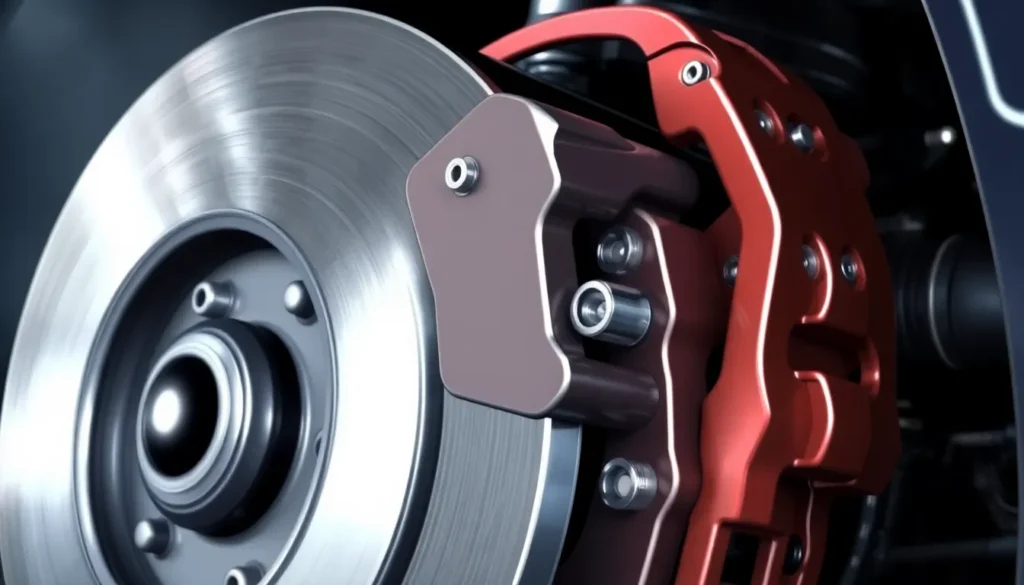
A caliper on a car is an essential part of the disc braking system, responsible for applying the necessary force to the brake pads, which in turn clamp onto the brake rotors to slow or stop the vehicle. It is a mechanical component located near the wheel assembly and works hydraulically to convert the driver’s brake pedal input into friction that reduces wheel speed.
Detailed Explanation
Automobile braking systems commonly use disc brakes, which consist primarily of brake rotors, pads, and calipers. The caliper holds the brake pads on either side of the rotor and uses hydraulic pressure to press these pads against the spinning rotor. This contact generates friction, which slows the rotation of the wheel and consequently the vehicle. Calipers are typically made of metal alloys capable of withstanding high temperatures and mechanical stress.
How It Works
When the driver presses the brake pedal, the vehicle’s master cylinder pushes brake fluid through brake lines to the caliper. The hydraulic pressure forces pistons inside the caliper to move outward, pressing the brake pads firmly against the rotor. This friction converts the kinetic energy of the moving vehicle into heat, which dissipates to reduce speed. Once the brake pedal is released, springs or hydraulic pressure retract the pistons, allowing the brake pads to move away from the rotor and letting the wheel spin freely again.
Examples
- Floating (Sliding) Caliper: This common design features a single piston and moves laterally to press both brake pads against the rotor.
- Fixed Caliper: Contains multiple pistons on both sides of the rotor and remains stationary, providing more even pressure and higher performance braking.
- Performance Caliper: Often found in sports or luxury vehicles, these calipers are larger, have multiple pistons, and provide greater stopping power and heat dissipation.
Why It Matters
The caliper is fundamental to vehicle safety because it directly affects braking performance. Proper functioning calipers ensure effective stopping power, contributing to safe driving conditions. Malfunctioning calipers can lead to uneven brake pad wear, reduced braking efficiency, and increased risk of accidents.
Common Misconceptions
Misconception: Calipers only hold the brake pads and do not affect braking performance.
Correction: Calipers actively apply the necessary force to the brake pads, directly influencing braking effectiveness and safety.
Misconception: All calipers work the same way regardless of vehicle type.
Correction: Caliper designs vary, with different numbers of pistons and configurations affecting braking performance and maintenance needs.
Pros and Cons
Pros:
- Efficient conversion of hydraulic pressure into braking force.
- Relatively simple design allows for easy maintenance and replacement.
- Adaptable to various vehicle types, from economy to performance cars.
Cons:
- Can seize or stick due to corrosion or debris, reducing braking performance.
- Requires regular inspection to ensure safe operation.
- Fixed calipers can be more expensive and complex to repair or replace.
Comparison Table
| Aspect | Caliper on a Car | Drum Brake System |
|---|---|---|
| Meaning | Hydraulic device that clamps brake pads onto a rotor to slow a vehicle. | Mechanical device where brake shoes press outward against a drum to stop rotation. |
| Operation | Uses pistons and hydraulic pressure to apply friction. | Uses wheel cylinders and mechanical linkages to push shoes outward. |
| Maintenance | Requires pad replacement and caliper inspection; possible piston servicing. | Requires shoe replacement and drum servicing; more complex adjustment. |
| Performance | Generally better heat dissipation and consistent braking. | Less efficient cooling; more prone to fade under heavy use. |
Decision Checklist
What is the easiest way to understand a Caliper on a Car?
Think of the caliper as a clamp that squeezes the brake pads against a spinning disc (rotor) attached to the wheel. When you press the brake pedal, hydraulic pressure pushes the clamp to close, creating friction that slows the wheel and stops the car.
FAQ
What does a caliper do on a car?
A caliper applies hydraulic pressure to brake pads, pressing them against the brake rotor to slow or stop the vehicle.
How many types of calipers are there?
The two main types are floating (or sliding) calipers, which have one piston and move laterally, and fixed calipers, which have multiple pistons and remain stationary.
Can a faulty caliper affect vehicle safety?
Yes, a malfunctioning caliper can cause uneven brake pad wear, reduced braking efficiency, and potentially dangerous driving conditions.





Leave a Reply