

Short Answer
Overview
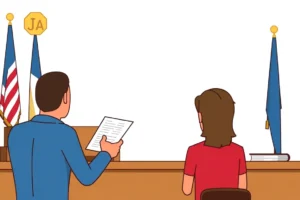
A disposition hearing is a formal court proceeding that occurs after a defendant has been found guilty, adjudicated delinquent, or has entered a plea in a criminal or juvenile case. The primary purpose of this hearing is to determine the appropriate outcome, sentence, or treatment plan based on the facts of the case and applicable laws. It serves as a critical step in the judicial process by establishing how the court will resolve the matter, whether through sentencing, placement, or other court-ordered actions.
Detailed Explanation
Disposition hearings are integral to both juvenile and adult criminal justice systems. In juvenile courts, the disposition hearing follows the adjudication phase, which is the equivalent of a trial, and focuses on determining what interventions or rehabilitative measures are most suitable for the minor involved. These can include probation, placement in a juvenile facility, community service, counseling, or other corrective actions tailored to the youth’s needs.
In adult criminal cases, a disposition hearing often refers to the sentencing phase where the judge imposes penalties such as fines, imprisonment, probation, or alternative sanctions. The hearing considers factors like the severity of the offense, defendant’s criminal history, victim impact statements, and recommendations from probation officers or prosecutors.
How It Works
The disposition hearing generally proceeds as follows:
- Presentation of Information: The court reviews reports, evidence, and statements relevant to sentencing or placement, including pre-sentence investigation reports or psychological evaluations.
- Arguments: Prosecutors, defense attorneys, and sometimes victims present their arguments and recommendations.
- Deliberation: The judge considers all information, statutory guidelines, and mitigating or aggravating factors.
- Decision: The judge issues a disposition order specifying the outcome, which may include sentencing terms, supervision conditions, or placement directives.
In some jurisdictions, the defendant may have a chance to speak or present mitigating evidence before the final decision is rendered.
Examples
- Juvenile Court: After a juvenile is adjudicated delinquent for theft, the disposition hearing might result in the judge ordering probation with mandatory counseling and community service instead of detention.
- Criminal Court: Following a guilty plea to a drug possession charge, the disposition hearing may lead to a sentence of probation combined with a drug rehabilitation program.
- Family Court: In cases involving child custody, a disposition hearing determines the custodial arrangements and visitation rights based on the child’s best interest.
Pros and Cons
- Pros: Provides a structured process for individualized sentencing or placement decisions; allows consideration of mitigating factors; promotes rehabilitation, especially in juvenile cases; ensures transparency and judicial oversight in deciding outcomes.
- Cons: Can prolong the legal process if delayed; outcomes may vary significantly depending on jurisdiction and judicial discretion; may be intimidating for defendants without proper legal representation; some argue it can lack consistency across similar cases.
Comparison Table
| Aspect | Disposition Hearing | Trial |
|---|---|---|
| Meaning | A court proceeding to determine sentencing or placement after guilt or adjudication. | A legal process to determine the guilt or innocence of a defendant. |
| Purpose | Decide the appropriate outcome, sentence, or treatment. | Establish whether the defendant committed the offense. |
| Participants | Judge, defendant, attorneys, sometimes victims or probation officers. | Judge, jury (in jury trials), defendant, attorneys. |
| Timing | Occurs after a finding of guilt or adjudication. | Occurs before any determination of guilt. |
Decision Checklist
- Use this if you need to determine the sentence or placement after a guilty verdict or juvenile adjudication.
- Avoid this if the issue at hand is determining guilt or innocence, which requires a trial or hearing prior to disposition.
- Check this first to see if pre-sentence or pre-disposition reports are available to inform the hearing.
What is the easiest way to understand a Disposition Hearing?
The easiest way to understand a disposition hearing is to view it as the court’s decision-making moment that follows a verdict or finding of responsibility, where the judge decides the next steps—whether that means sentencing, placing a juvenile in a rehabilitation program, or ordering probation—tailored to the specifics of the case and the individual involved.
FAQ
What is the difference between a disposition hearing and a trial?
A trial determines whether a defendant is guilty or not, while a disposition hearing occurs after guilt is established to decide the sentence or placement.
Who attends a disposition hearing?
Typically, the judge, defendant, defense and prosecution attorneys, and sometimes probation officers or victims attend.
Can a defendant speak at a disposition hearing?
Yes, in many cases defendants can make statements or present mitigating evidence before sentencing or disposition decisions.





Leave a Reply