
Short Answer
Overview
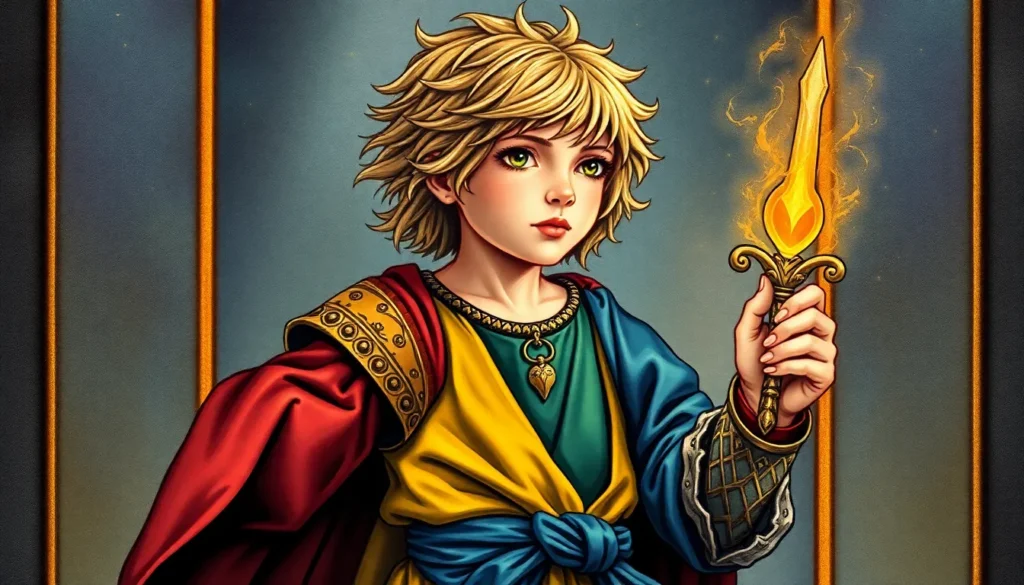
In tarot card decks, a Page is one of the court cards found within each of the four suits: Cups, Pentacles, Swords, and Wands. Pages are typically associated with youthful energy, new beginnings, curiosity, and messages. They represent a stage of learning or a fresh perspective, often interpreted as messengers or initiators within the tarot system.
Detailed Explanation
The tarot deck consists of 78 cards divided into Major Arcana and Minor Arcana. Within the Minor Arcana, each suit contains ten numbered cards and four court cards: Page, Knight, Queen, and King. The Page is the lowest-ranking court card, often symbolizing the early phases of development related to the suit it belongs to.
Each Page card reflects the qualities and themes of its respective suit but viewed through a lens of youth, openness, and exploration. For example, the Page of Cups often signifies emotional beginnings or creative inspiration, while the Page of Pentacles relates to practical learning or financial opportunities.
How It Works
When a Page card appears in a tarot reading, it generally suggests new opportunities, messages, or the need to adopt a fresh approach. The Pages encourage curiosity, study, and the development of skills or understanding. Readers interpret Pages as indicators of potential rather than fully realized outcomes.
In divinatory contexts, Pages can signify young people or individuals embodying youthful traits such as enthusiasm or inexperience. They may also represent the querent’s attitude or the nature of a situation requiring attention to detail and learning.
Examples
- Page of Cups: Symbolizes creativity, emotional openness, and new relationships or ideas in the emotional realm.
- Page of Pentacles: Indicates opportunities for study, financial growth, or practical skill development.
- Page of Swords: Represents intellectual curiosity, communication, and the gathering of information.
- Page of Wands: Suggests inspiration, adventure, and the beginning of creative or entrepreneurial projects.
Pros and Cons
- Pros: Pages encourage learning, new beginnings, and openness to possibilities. They can signal positive messages or the potential for growth.
- Cons: As youthful figures, Pages may also indicate immaturity, naivety, or a lack of experience, which can lead to misunderstandings or missteps.
Comparison Table
| Aspect | Page in Tarot | Knight in Tarot |
|---|---|---|
| Meaning | Youthful energy, learning, messages, beginnings | Action-oriented, pursuit, movement, maturity |
| Role | Initiator, messenger, student | Adventurer, doer, seeker |
| Symbolism | Curiosity, potential, openness | Drive, determination, challenge |
Decision Checklist
- Use this if: The reading involves new opportunities, learning phases, or messages.
- Avoid this if: The situation calls for mature decision-making or established expertise.
- Check this first: The suit of the Page card to understand the area of life (emotions, intellect, material, or creativity) it pertains to.
What is the easiest way to understand a Page in tarot cards?
The easiest way to understand a Page card is to see it as a youthful figure representing new beginnings and potential within its suit. It often signals the need to approach situations with curiosity, openness, and a willingness to learn rather than with experience or authority.
FAQ
What does a Page card represent in tarot?
A Page card typically represents youthfulness, new beginnings, curiosity, and the potential for growth within the domain of its suit.
How do Pages differ from other court cards?
Pages are the lowest-ranking court cards and often symbolize the initial stages of development or learning, whereas Knights, Queens, and Kings represent more mature or advanced stages.
Can a Page card represent a person in a reading?
Yes, the Page can represent a young person or someone with youthful qualities such as enthusiasm, curiosity, or inexperience.





Leave a Reply