
Short Answer
Overview
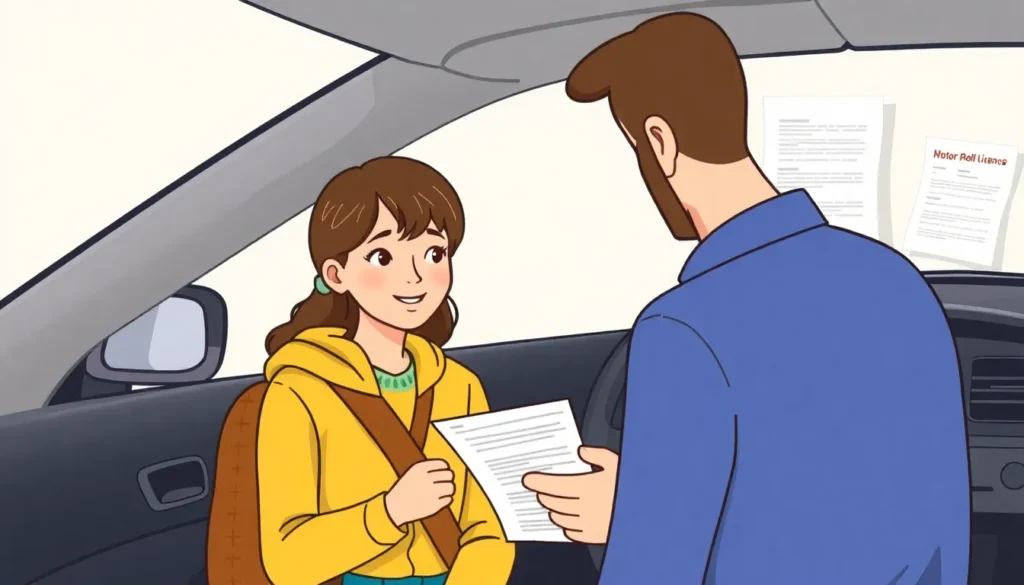
A hardship license is a restricted driving permit issued to individuals who have had their full driving privileges suspended or revoked but need to drive for essential purposes. It is commonly available to minors or young drivers who, due to various circumstances, require legal authorization to operate a motor vehicle despite limitations imposed by licensing authorities. The purpose of a hardship license is to provide limited driving privileges to facilitate important activities such as going to work, attending school, or obtaining medical care while ensuring public safety.
Detailed Explanation
Hardship licenses arise from the recognition that certain individuals face compelling needs to drive even when their standard driver’s license is not valid. These licenses are typically governed by state or regional motor vehicle departments and have stringent eligibility criteria and restrictions.
Eligibility often requires proof of hardship, such as documentation of employment, school enrollment, or medical appointments. The applicant must usually have completed a portion of any suspension or revocation period and demonstrate responsible behavior, including a clean driving record or compliance with prior penalties.
The restrictions attached to a hardship license vary but commonly include limitations on driving times (e.g., no driving at night), geographic boundaries (e.g., driving only within a certain radius), and permissible purposes (e.g., commuting to work or school only). The license is temporary and intended to balance individual needs against public safety concerns.
How It Works
To obtain a hardship license, an individual must typically submit an application to the relevant department of motor vehicles or equivalent authority. This process usually involves:
- Providing evidence of hardship, such as letters from employers, school officials, or medical providers.
- Completing any mandatory waiting periods associated with the original license suspension or revocation.
- Paying fees and possibly attending a hearing or interview.
- Agreeing to abide by all restrictions imposed by the hardship license, which are legally enforceable.
Once granted, the hardship license allows limited driving privileges that are closely monitored. Violations of the license terms can result in further penalties, including extension of suspension periods or legal sanctions.
Examples
- A high school student whose license was suspended for accumulating points on their driving record may be granted a hardship license to drive to and from school and work during specified hours.
- An adult with a suspended license due to non-driving-related offenses might receive a hardship license to commute to a necessary medical treatment facility.
- A young driver who lost full driving privileges for a minor traffic violation may obtain a hardship license to maintain employment and fulfill family responsibilities.
Pros and Cons
Pros:
- Allows individuals to maintain important daily activities such as work and education despite license restrictions.
- Provides a legal alternative to unauthorized driving, potentially reducing illegal driving and associated risks.
- Supports rehabilitation by encouraging compliance with driving laws and restrictions.
Cons:
- Restrictions may be difficult to comply with, leading to inadvertent violations and further penalties.
- Driving privileges remain limited, which may not fully address the individual’s needs.
- Can be administratively complex and time-consuming to obtain.
Comparison Table
| Aspect | Hardship License | Regular Driver’s License |
|---|---|---|
| Meaning | A restricted driving permit issued under specific hardship conditions during a suspension or revocation period. | A full driving permit granting standard driving privileges without special restrictions. |
| Eligibility | Requires proof of hardship and compliance with suspension terms. | Requires passing driving tests and meeting age and residency requirements. |
| Restrictions | Limited driving times, purposes, and geographic areas. | No special restrictions beyond general traffic laws. |
| Duration | Temporary and conditional based on hardship circumstances. | Valid until renewal or revocation. |
Decision Checklist
- Use this if: You have a suspended or revoked license but need limited driving privileges for essential activities such as work, school, or medical care.
- Avoid this if: You do not meet the eligibility criteria or cannot comply with the restrictions imposed by the hardship license.
- Check this first: Your state or local motor vehicle department’s rules and application process for hardship licenses, including required documentation and fees.
What is the easiest way to understand a Hardship License?
A hardship license is essentially a temporary, limited driving permit granted to individuals who face suspension or revocation of their full driving privileges but need to drive for necessary reasons, such as employment or education. It allows them to legally operate a vehicle within defined conditions until their full license is reinstated.
FAQ
Who qualifies for a hardship license?
Individuals whose driving privileges are suspended or revoked but who have a verified need to drive for essential activities such as work, school, or medical care may qualify. Eligibility criteria vary by jurisdiction.
What restrictions come with a hardship license?
Common restrictions include limits on driving hours, geographic areas where driving is permitted, and specific purposes such as commuting to work or school only. These restrictions are legally enforceable.
Can a hardship license be revoked?
Yes. If the individual violates the terms of the hardship license, it can be revoked, and additional penalties or extended suspension periods may be imposed.



Leave a Reply